
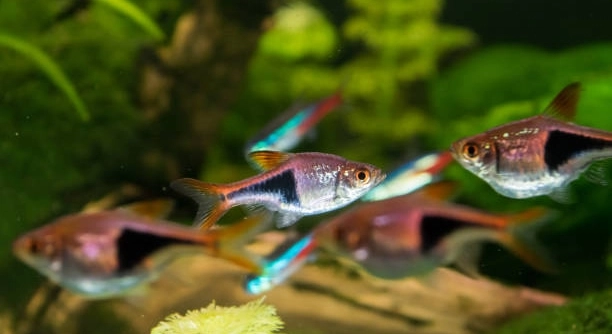
Rasboras are small freshwater fish often admired for their peaceful nature and bright colors. Many aquarium owners find these fish to be calm and easy to care for. However, rasboras also show some surprising social behaviors that are not well known.
Rasboras display several unexpected bonding behaviors such as synchronized swimming, gentle nipping, and communal hiding. These actions indicate strong social bonds, cooperation, and a unique way of communication within their groups. Understanding these behaviors helps in promoting healthier aquarium environments.
Learning about these unusual social habits can change how you care for rasboras. Observing them closely reveals more about their natural instincts and needs. This insight benefits both fish and their owners alike.
Synchronized Swimming as a Social Bond
Rasboras often swim together in a very coordinated way. This synchronized swimming is more than just movement; it shows their connection. When they swim closely and match each other’s pace, it helps keep the group safe. Moving as one can confuse predators and make the fish feel more secure. This behavior also seems to strengthen their social ties. In an aquarium, watching rasboras swim in sync is a clear sign they are comfortable and bonded. It reflects their natural instinct to work as a team.
This behavior also helps the fish communicate silently. It lets them know when to stay close or when danger might be near.
Synchronized swimming is a way for rasboras to show unity and trust. It encourages peaceful interaction and reduces stress in the group. The more they swim in harmony, the stronger their social structure becomes, which benefits their overall health.
Gentle Nipping and Interaction
Gentle nipping is a common way rasboras interact with each other.
This soft nibbling is not aggressive but a form of communication. It helps them establish social order without causing harm. It can also be a sign of curiosity or affection among the fish. In the tank, gentle nipping shows that rasboras are engaging and aware of their group members. It is a subtle behavior that reveals how they maintain bonds and respect within their community. Understanding this helps aquarium keepers avoid mistaking it for fighting. Recognizing gentle nipping as normal interaction is important to ensure the fish are healthy and content. It also highlights how complex their social lives can be, despite their small size. This interaction adds depth to how we view and care for these peaceful fish.
Communal Hiding Spots
Rasboras often choose to hide together when they feel threatened or stressed.
Grouping in a shared hiding place helps reduce their anxiety. This behavior shows their trust in each other’s presence and the safety found in numbers. When kept in a tank, providing plenty of hiding spots encourages this natural habit. It also strengthens their social bonds as they prefer to stay close rather than alone.
This communal hiding is not just about avoiding danger. It also creates a sense of security and comfort among the fish. When they feel safe together, their overall health improves, and they become less prone to illness.
Shared Feeding Rituals
Rasboras tend to eat together, which is a sign of social bonding.
Eating in a group reduces stress and helps maintain peace during mealtime. It also allows them to watch each other for signs of danger while feeding. This shared activity supports their social structure by reinforcing cooperation and trust.
In an aquarium setting, feeding rasboras at the same time encourages this bonding behavior. Watching them eat side by side reveals their natural tendency to connect during important daily routines. Feeding rituals strengthen their group dynamics and ensure a healthier, happier environment. They rely on these shared moments to build relationships and reduce competition over food. Providing a calm feeding area supports their well-being and social harmony.
Mirroring Movements
Rasboras often copy each other’s movements during calm moments.
This mirroring builds trust and helps the group stay connected. It also reinforces social bonds without direct contact or noise.
Resting Together
Rasboras prefer to rest close to one another. This closeness offers protection and comfort. When resting, they rely on their group for safety, making the experience less stressful.
Subtle Color Changes
Rasboras sometimes change their colors slightly when near close companions. This shift signals mood or readiness to interact. These subtle changes strengthen their communication and bonding within the group.
What causes rasboras to swim in sync?
Rasboras swim in sync mainly because it helps them feel safer as a group. When they move together, they confuse predators and reduce the chance of any one fish being singled out. This behavior also strengthens social bonds, showing that the fish trust and depend on each other. It is an instinctive response that comes from living in groups in the wild. In an aquarium, this behavior continues as a sign of their comfort and connection with tank mates.
Is gentle nipping a sign of aggression?
Gentle nipping among rasboras is usually not aggressive. It serves as a form of communication to establish social order or express curiosity. Unlike biting, which can cause harm, gentle nipping is soft and brief. It helps them interact without fights and maintain peace in the group. If the nibbling becomes harsh or causes injuries, it may indicate stress or overcrowding, but gentle nipping itself is a normal, healthy behavior.
Why do rasboras hide together?
Rasboras hide together to feel more secure. Group hiding reduces their stress because they trust safety in numbers. Sharing a hiding spot creates comfort and helps protect them from perceived threats. Providing enough plants and decorations in a tank supports this natural behavior. When they feel safe in these communal hiding spots, they are less likely to become sick or stressed, improving their well-being.
How important is group feeding for rasboras?
Group feeding is very important for rasboras because it lowers stress and supports social bonds. Eating together helps them watch out for danger and promotes peaceful interactions. Feeding at the same time reinforces trust and cooperation within the group. In an aquarium, feeding the fish simultaneously helps keep this routine healthy and natural. It also encourages the fish to feel secure and connected during an important daily activity.
Do rasboras always mirror each other’s movements?
Rasboras don’t mirror movements constantly, but they often do so when calm or relaxed. This copying behavior is a way to build trust and keep the group connected. Mirroring helps them understand each other’s intentions and stay in sync without direct communication. It shows how close their social bonds can be and supports group harmony.
Why do rasboras rest close together?
Resting close helps rasboras feel protected and comfortable. Being near each other reduces stress and creates a sense of safety, especially during quiet or vulnerable times. This closeness shows how much they rely on their group for security. It is a natural habit that should be supported with enough space and hiding spots in the tank.
What do subtle color changes mean in rasboras?
Subtle color changes in rasboras often signal their mood or readiness to interact. These shifts are a quiet way of communicating feelings like calmness or alertness. Color changes can also indicate social status or willingness to bond with other fish. This form of communication adds another layer to their social behavior and helps keep the group connected without sound or movement.
Rasboras are small fish that often surprise us with their interesting social behaviors. While they may seem simple at first glance, they show many ways of bonding with each other. From swimming together in sync to sharing hiding spots, these behaviors help them feel safe and connected. Recognizing these natural actions can improve how we care for them and create a better environment in the aquarium. Understanding their social needs is important for keeping rasboras healthy and happy.
Watching rasboras interact can teach us a lot about their world. Their gentle nipping and mirroring movements are ways to communicate and build trust without causing stress or conflict. Even their small color changes and resting habits show how they connect quietly but strongly. These subtle signs are easy to miss but are important for their well-being. When aquarium owners notice these behaviors, they can make adjustments, like adding more hiding places or feeding them together, to support the fish’s natural instincts.
Taking time to learn about these unexpected bonding behaviors helps create a peaceful tank environment. Rasboras thrive when they feel secure in their social group. By paying attention to how they act and respond to each other, we can offer better care that matches their natural lifestyle. This understanding makes keeping rasboras more rewarding and helps the fish live longer, healthier lives. It also reminds us that even small fish have complex social lives that deserve respect and attention.

Hello,
If you enjoy the content that we create, please consider saying a "Thank You!" by leaving a tip.
Every little bit helps us continue crafting quality advice that supports the health, happiness, and well-being of pets around the world, for pets of all shapes, sizes, and species.
We really appreciate the kindness and support that you show us!