
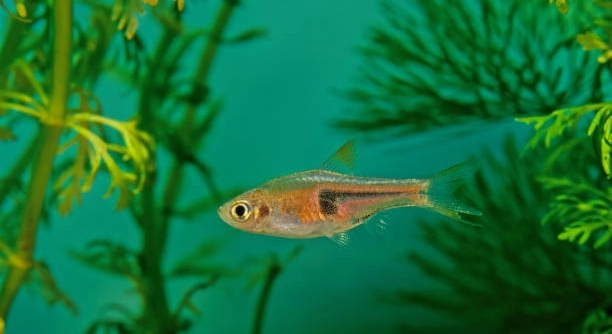
Breeding rasboras at home can be a rewarding hobby for fish enthusiasts. These small, colorful fish are popular in many aquariums, and learning how to breed them properly can add to their charm. Understanding the basics will help create a healthy environment for successful breeding.
Successfully breeding rasboras requires proper tank setup, stable water conditions, appropriate diet, and careful monitoring of fish behavior. Providing a suitable environment that mimics their natural habitat is essential for encouraging spawning and healthy fry development.
This guide will offer clear tips to support your rasboras’ breeding journey and improve your chances of success.
Setting Up the Ideal Breeding Tank
Creating the right tank environment is the first step in breeding rasboras successfully. Use a small tank around 10 to 15 gallons, as this size is easy to maintain and control. Soft, slightly acidic water with a pH of 6.0 to 7.0 is best. Keep the temperature steady between 75°F and 80°F, which matches their natural habitat. Add plenty of plants, like Java moss or floating plants, to provide hiding spots and surfaces for eggs. Avoid strong lighting, as rasboras prefer dimmer conditions when spawning. Use a gentle filter to keep water clean without disturbing the eggs or fry. Regular water changes are important but keep them small to avoid shocking the fish. This setup helps reduce stress and encourages natural breeding behavior.
A tank designed with care supports healthier fish and higher breeding success.
Keeping the environment stable and calm gives rasboras confidence to spawn naturally. This also lowers risks of eggs being eaten or damaged. Pay attention to water quality and plants for the best results.
Choosing and Conditioning the Breeding Pair
Select healthy, mature rasboras that show bright colors and active swimming. Condition them by feeding high-quality live or frozen foods such as daphnia, brine shrimp, or bloodworms for about two weeks. This improves their health and increases the chances of spawning. Separate males and females during conditioning to ensure they are ready at the same time. When you place them together, observe their behavior closely. Males will often chase females gently, and females will become rounder with eggs. Avoid overcrowding the tank, as too many fish can stress the pair and reduce spawning success. A calm, well-fed pair in a peaceful setting is key to encouraging breeding and producing healthy fry.
Spawning and Egg Care
Once the pair is ready, spawning usually happens early in the morning. The female will scatter sticky eggs on plant leaves or tank surfaces. It’s important to remove the adult fish after spawning to prevent them from eating the eggs.
The eggs need to be kept in clean, well-oxygenated water at a stable temperature of 77°F to 80°F. Light should be dimmed to reduce stress. Fertilized eggs will hatch in about 24 to 36 hours. Remove any unfertilized or fungus-infected eggs promptly to keep the water quality good and protect the healthy eggs.
After hatching, the tiny fry will stay attached to plants for a day or two. During this time, keep the tank quiet and avoid strong water currents. This resting phase is crucial for their early development and survival.
Feeding the Fry
Newly hatched rasbora fry need very small food. Infusoria or liquid fry food is ideal for the first few days, as their mouths are too small for larger food. After a week, you can start feeding baby brine shrimp or finely crushed flakes.
Feed small amounts several times a day to keep fry healthy without fouling the water. Remove leftover food to maintain cleanliness. Good nutrition supports strong growth and reduces the risk of disease. As the fry grow, gradually increase food size and quantity. Regular observation helps adjust feeding to their needs, ensuring steady development.
Monitoring Water Quality
Maintaining clean water is vital for both eggs and fry. Frequent small water changes help keep ammonia and nitrate levels low. Use a gentle method to avoid disturbing the delicate fry.
Test the water regularly for pH, ammonia, nitrites, and nitrates. Stable parameters reduce stress and support healthy growth. Avoid sudden changes that can harm the developing fish.
Providing Hiding Spots for Fry
Fry need plenty of places to hide from light and possible threats. Dense plants or moss mats create safe spaces. This helps reduce stress and increases survival rates by mimicking natural cover.
Separating Healthy Fry
Remove any weak or sick fry quickly. This prevents disease spread and gives the strongest fish a better chance to grow. Keep the tank clean and watch closely for signs of illness.
Patience and Observation
Breeding rasboras requires time and attention. Watch your fish carefully to understand their needs and behaviors. Patience ensures better care and a higher chance of success.
FAQ
How long does it take for rasbora eggs to hatch?
Rasbora eggs usually hatch within 24 to 36 hours after spawning. This depends on water temperature; warmer water speeds up development, while cooler water slows it down. After hatching, the fry stay attached to plants or surfaces for about a day before swimming freely.
What is the best water temperature for breeding rasboras?
The ideal temperature for breeding rasboras is between 75°F and 80°F (24°C to 27°C). Keeping the temperature steady helps encourage spawning and supports healthy egg and fry development. Sudden temperature changes can stress the fish and reduce breeding success.
How often should I feed the fry?
Feed rasbora fry small amounts of food 3 to 5 times a day. Start with infusoria or liquid fry food for the first few days, then gradually introduce baby brine shrimp or finely crushed flakes. Frequent feeding helps the fry grow strong, but be careful not to overfeed and pollute the water.
Can adult rasboras eat their eggs or fry?
Yes, adult rasboras often eat their own eggs and fry. It’s best to remove the adults from the breeding tank once spawning is complete to protect the eggs. This increases the chances of the eggs surviving and hatching successfully.
What kind of plants work best for egg laying?
Soft-leaved plants like Java moss, Hornwort, or floating plants are ideal for rasbora egg laying. These plants provide good surfaces for eggs to stick to and offer shelter for the fry after hatching. Dense plants also help keep the eggs safe from currents and predators.
How can I tell if the eggs are fertilized?
Fertilized rasbora eggs are usually clear or light yellow and may show tiny developing embryos inside after a day. Unfertilized eggs turn white or cloudy and should be removed quickly to prevent fungus growth, which can harm healthy eggs.
Is it necessary to separate male and female rasboras before breeding?
Separating males and females during conditioning isn’t strictly necessary but can help ensure both sexes are healthy and ready to spawn at the same time. Conditioning separately with high-quality food improves their health and increases spawning success.
How long does it take for fry to become free-swimming?
Rasbora fry typically become free-swimming about 2 to 3 days after hatching. Before that, they stay attached to plants or tank surfaces, absorbing their yolk sac. Once free-swimming, they start searching for food and need very small-sized meals.
Can I use tap water for breeding rasboras?
Tap water can be used if properly treated and tested. Remove chlorine and chloramine with a water conditioner before adding it to the tank. It’s important to maintain stable pH and water hardness, as rasboras prefer soft, slightly acidic water.
What signs show that rasboras are ready to spawn?
Males become more colorful and active, often chasing females gently. Females look fuller and rounder when carrying eggs. These behaviors indicate they are ready to spawn soon. Proper diet and tank conditions also encourage this readiness.
How important is lighting during breeding?
Dim lighting is best during spawning and egg care. Strong light can stress the fish and harm eggs. Using floating plants to diffuse light or turning off some lights helps create a calm environment for breeding and protects eggs from damage.
How do I prevent fungus on rasbora eggs?
Removing unfertilized or dead eggs promptly reduces fungus risk. Maintain clean water with gentle filtration and low flow. Some breeders add antifungal treatments like methylene blue, but these should be used carefully to avoid harming fry.
Can rasboras breed in a community tank?
Breeding in a community tank is difficult because other fish may eat eggs and fry. For best results, use a separate breeding tank with controlled conditions. This protects the eggs and allows better care of fry without interference.
How long until fry grow into adult rasboras?
Rasbora fry typically reach adult size in about 3 to 4 months with proper care and feeding. Growth rates depend on water quality, food availability, and tank conditions. Healthy fry develop faster and show bright colors sooner.
Breeding rasboras at home can be a rewarding and enjoyable experience when approached with patience and care. It requires attention to detail, especially when setting up the tank, maintaining water quality, and feeding the fish correctly. Each step in the process plays an important role in ensuring the health and success of the eggs and fry. While it may take some time to learn and adapt, the results are worth the effort when you see tiny rasboras grow and thrive in your aquarium.
Creating a stable and comfortable environment is key to successful breeding. Rasboras prefer soft, slightly acidic water and a temperature that stays steady around 75°F to 80°F. Providing plenty of plants helps simulate their natural habitat, giving the fish places to hide and lay eggs. Watching the breeding behaviors and carefully caring for the eggs and fry will improve survival rates. Removing adult fish after spawning is also important to protect the eggs from being eaten. Keeping a clean tank with regular, gentle water changes helps keep stress low and supports healthy development.
It’s important to remember that breeding rasboras takes time and attention. Success does not always happen immediately, and sometimes adjustments need to be made to the environment or feeding schedule. Observing your fish and learning from each experience will help you improve your care over time. With dedication, you can create a healthy, balanced aquarium where rasboras not only breed but also grow strong and colorful. This process can deepen your connection to your fish and make your aquarium even more rewarding to maintain.

Hello,
If you enjoy the content that we create, please consider saying a "Thank You!" by leaving a tip.
Every little bit helps us continue crafting quality advice that supports the health, happiness, and well-being of pets around the world, for pets of all shapes, sizes, and species.
We really appreciate the kindness and support that you show us!