
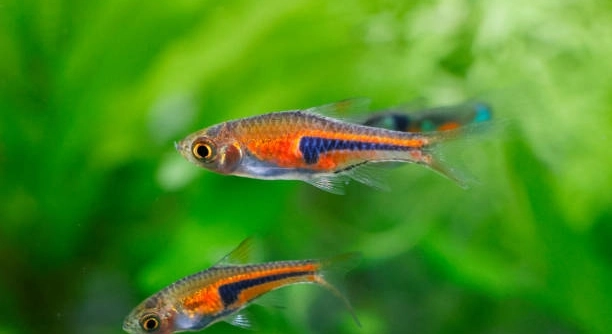
Are your rasboras swimming strangely or hiding more than usual, and you’ve noticed their fins seem tightly held together? Clamped fins are a subtle but clear signal that something isn’t right in their environment.
Clamped fins in rasboras are most commonly caused by poor water quality, stress, illness, or unsuitable tank conditions. These factors can weaken their immune system and lead to discomfort, making early identification and correction essential for their health.
Understanding the reasons behind clamped fins can help you create a safer, more stable home for your rasboras and avoid future issues.
Poor Water Quality
Dirty water is one of the most common reasons rasboras clamp their fins. These fish are sensitive to changes in water parameters, especially ammonia, nitrite, and nitrate levels. If the tank isn’t cleaned regularly or the filter isn’t working well, waste can quickly build up. This causes stress and makes the fish more vulnerable to infections. Test the water weekly using a reliable test kit. Keep ammonia and nitrite at 0 ppm, and nitrates under 20 ppm. Make small, regular water changes rather than large, infrequent ones to avoid sudden shifts. Also, avoid overfeeding, as leftover food quickly decays and affects water quality. Clean the gravel and decor gently during maintenance to reduce waste buildup. Poor water conditions don’t just affect fins—they can harm your rasbora’s overall health if ignored. Clean, stable water is one of the best ways to keep them healthy and calm.
Even if the tank looks clean, invisible toxins may still be present. Rasboras need stable and safe water to thrive.
A well-maintained aquarium helps prevent fin clamping. Use a sponge filter or hang-on-back filter suitable for your tank size. Replace filter media as needed, but avoid washing it with tap water to preserve beneficial bacteria. If your tap water contains chlorine or chloramine, always treat it with a water conditioner. Some hobbyists overlook the importance of regular testing, but it’s the only way to know what’s really going on in the tank. If your rasbora’s fins remain clamped even after improving water quality, consider testing for less common factors like GH, KH, and pH swings. Keep the tank temperature consistent, ideally around 75–79°F. Remember, water quality is the base of everything in fishkeeping. Without good water, other treatments and changes won’t help much.
Stress from Tank Mates
Aggressive or overly active fish can cause stress for rasboras, especially in smaller tanks with little hiding space.
Rasboras are peaceful and thrive in calm environments. Housing them with fin-nippers or territorial species can make them feel threatened, which often leads to clamped fins. Even constant movement from fast swimmers can stress them out. To reduce this, choose tank mates with similar temperaments, such as peaceful tetras or corydoras. Make sure the tank is large enough to give every fish room to establish space. Adding plants or décor also helps reduce visibility between aggressive fish and rasboras, lowering stress. Another overlooked issue is uneven schooling—rasboras are schooling fish and need to be in groups of at least six. A small group can feel insecure and stressed. If your rasboras show signs of stress despite good water, observe tank behavior closely. You may notice signs of bullying or chasing. Rehoming certain fish or adjusting the layout may be necessary for a peaceful setup.
Illness or Parasites
Internal infections and parasites can cause clamped fins in rasboras, especially when paired with other signs like weight loss, dull color, or erratic swimming. These issues lower the fish’s energy and make them keep their fins tight to the body.
Bacterial infections, like fin rot, often begin when the fish is already stressed or living in poor conditions. Parasites such as gill flukes or skin flukes are harder to spot but can make the fish feel constantly irritated. Clamped fins are one of the earliest signs of discomfort. Quarantining new fish before adding them to the main tank can help avoid introducing illnesses. If infection is suspected, treat promptly using medication designed for the specific condition—antibiotics for bacteria or antiparasitics for worms or flukes. It’s also helpful to raise the water temperature slightly (if safe) to speed up recovery. Always research medications carefully and follow dosing instructions closely.
If multiple rasboras are clamping their fins at once, infection or parasites are more likely. In this case, do not treat blindly. Try to observe more signs such as labored breathing, flashing (rubbing against objects), or red spots. These details help you figure out what’s wrong and pick the right treatment. You can also isolate one sick fish in a hospital tank for closer observation. Keep lights dim, reduce handling, and maintain stable water during this period. Sometimes, mild symptoms improve on their own with clean water and less stress. Other times, treatment is necessary. If unsure, ask an experienced aquarist or a vet with knowledge of freshwater fish. Acting early can make a big difference in recovery.
Sudden Environmental Changes
Quick shifts in temperature, pH, or hardness can cause rasboras to clamp their fins. Even a small, sudden change may trigger stress if it happens too fast or too often in their environment.
These fish prefer stability. Temperature drops from cold water changes or nearby drafts can stress them within minutes. Always match new water temperature before doing water changes. The same goes for pH. If your tap water is very different from the tank water, even a small top-off can shift levels too much. Gradual acclimation is key. Use a reliable thermometer and test pH weekly to avoid surprises. If you use CO₂ for plants, make sure it’s not causing big pH swings between day and night. Rasboras do best with slow and steady changes. Try to stick to a regular routine, avoid last-minute changes, and give your fish time to adjust when something new is added.
Inadequate Diet
A poor or unbalanced diet can lead to fin clamping, especially if rasboras aren’t getting enough nutrients. Low-quality flakes or a lack of variety can weaken their immune system and affect their overall energy and fin health.
Feeding only one type of food every day may not meet their needs. Include high-protein options like micro pellets, frozen daphnia, or brine shrimp a few times a week.
Overcrowding
Too many fish in a small tank creates stress, competition, and unstable water conditions. Rasboras need room to swim and feel safe in their school. In crowded tanks, they often become skittish, and clamped fins are a common response.
A 10-gallon tank can work for a small group, but larger groups need more space. Stick to the one-inch-of-fish-per-gallon rule as a basic guide, but also consider swimming needs and tank shape. Long tanks are better than tall ones for rasboras. Overcrowding also leads to fast waste buildup, which impacts water quality. If you notice clamped fins and your tank is fully stocked or overstocked, reduce the number of fish or upgrade to a bigger tank. Proper space allows your rasboras to swim freely, relax, and stay healthier overall.
Lack of Hiding Spots
Without plants or decorations, rasboras may feel exposed and anxious. When they don’t feel safe, they’re more likely to clamp their fins and stay near the bottom or in corners.
FAQ
What does it mean when my rasbora has clamped fins but acts normal?
Clamped fins with normal behavior can still be an early warning sign. Your rasbora might not show stress in obvious ways, but the tight fins suggest it’s uncomfortable. This could be due to slight changes in water conditions, minor stress from tank mates, or early stages of illness. Even if they eat and swim normally, something in their environment might be bothering them. Watch closely for changes over the next few days and test your water to rule out hidden issues. It’s always better to catch a problem early before symptoms worsen.
Can clamped fins go away on their own?
Yes, clamped fins can go away if the cause is mild and gets fixed quickly. If the issue is something like a sudden temperature drop or brief stress from tank maintenance, fins may return to normal within a day or two. Clean water and a calm tank help recovery. But if the clamping continues for several days or spreads to other fish, that’s a sign of a bigger issue—possibly illness or poor water quality. Don’t wait too long before taking action, even if your fish still seems active. Catching the problem early can prevent it from turning into something serious.
How do I know if my water is causing clamped fins?
You’ll need to test it. Use a reliable liquid test kit—not strips—for accurate results. Start by checking ammonia, nitrite, and nitrate. Ammonia or nitrite above 0 ppm is dangerous, and nitrate should be under 20 ppm. Also, test pH, KH, GH, and temperature. A sudden drop or rise in any of these can trigger stress and fin clamping. Even clean-looking water can have hidden problems. If you’re unsure of your tap water quality, test that too, especially if you’ve recently done a water change. Keep a log of your test results to see if anything changes over time.
Should I quarantine a rasbora with clamped fins?
If you suspect illness or parasites, it’s a good idea. Move the affected rasbora to a separate tank with clean, warm, and stable water. This helps reduce stress and lets you monitor its behavior more easily. Use an air stone or sponge filter for gentle filtration. Keep the tank quiet and dim to reduce stress. If symptoms worsen or other signs appear (like flashing, redness, or white patches), you can start treatment without risking the rest of your fish. Quarantine is especially helpful if multiple fish are sick, but even one isolated case can benefit from it.
How long should I wait before treating a rasbora with clamped fins?
Start by fixing any water or stress issues right away. Wait 24–48 hours to see if the fins improve. If not, and you begin to notice other symptoms like spots, redness, or gasping at the surface, treatment may be needed. Choose medication based on what symptoms show up—antiparasitic for flashing, antibacterial for red streaks or frayed fins, and antifungal for fuzzy growth. Avoid mixing meds unless you’re sure it’s safe. If you’re unsure which to use, ask a knowledgeable aquarist or vet. Acting quickly but calmly is key.
Can rasboras recover fully after fin clamping?
Yes, if the issue is found early and corrected, rasboras often recover completely. Their fins can relax and regain their usual look within days once the stressor is removed. In cases caused by illness or poor water, full recovery might take a week or more. Providing stable water, good food, and a calm environment gives them the best chance to heal. Some rasboras may clamp their fins occasionally when stressed, but it shouldn’t last long. If they’re still clamping after treatment, you may need to revisit tank setup, stocking, or other environmental details.
Final Thoughts
Clamped fins in rasboras are a clear sign that something is off in their environment. While it might look like a small issue at first, it usually means your fish is uncomfortable, stressed, or even sick. Paying attention to this early sign can help you stop bigger problems from developing. Most of the time, the cause is something in the tank that can be fixed—like dirty water, sudden changes, or an unsuitable tank setup. Taking the time to observe your rasboras and check for other symptoms can make a big difference in how fast they recover.
The best way to prevent fin clamping is to give your rasboras a stable and peaceful home. Clean water, gentle tank mates, and a varied diet all help them stay healthy and calm. These fish are small and peaceful, and they do best in groups of their own kind. Make sure they have space to swim, places to hide, and a calm tank environment. Test your water regularly and stick to a consistent cleaning schedule. Watch how your fish behave and look for anything unusual. A small change, like adjusting tank temperature or feeding better food, can often improve their condition.
When problems do happen, it’s important to act quickly but calmly. Don’t rush to add medicine unless you’re sure it’s needed. Start with the basics—clean water, less stress, and better tank conditions. In many cases, clamped fins will return to normal once things settle down. But if signs of illness appear or the issue spreads to other fish, take steps to treat it properly. It helps to keep a quarantine tank ready for times like this. Rasboras are hardy when kept in the right conditions, and they can bounce back if given the care they need. Being a careful and observant fish keeper makes all the difference in keeping them healthy long-term.

Hello,
If you enjoy the content that we create, please consider saying a "Thank You!" by leaving a tip.
Every little bit helps us continue crafting quality advice that supports the health, happiness, and well-being of pets around the world, for pets of all shapes, sizes, and species.
We really appreciate the kindness and support that you show us!