
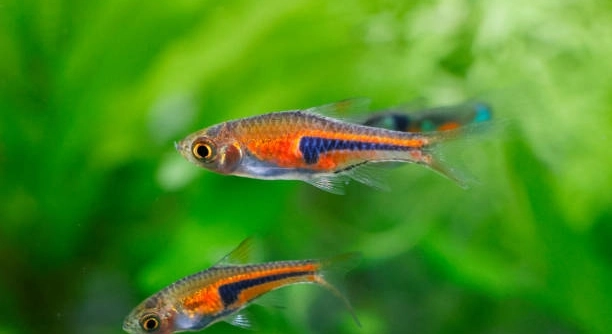
Many aquarium owners enjoy keeping Rasboras for their lively presence and delicate beauty. However, these small fish can sometimes outgrow their tanks without obvious signs at first. Knowing when to upgrade the tank is important for their well-being.
Signs that a Rasbora needs a bigger tank include limited swimming space, increased aggression, rapid waste buildup, and stunted growth. A cramped environment negatively impacts water quality and fish health, making tank expansion essential for maintaining a healthy habitat.
Recognizing these signs early ensures your Rasbora can thrive comfortably in its environment. This guide will help you understand what to watch for and how to provide the best care possible.
Limited Swimming Space
Rasboras are active fish that need enough room to swim freely. When their tank is too small, they often swim less or stay hidden. You might notice they look cramped or try to squeeze between decorations. This can stress them out, causing health problems over time. A cramped tank reduces oxygen levels and increases waste buildup, which affects water quality. Keeping Rasboras in a tank that is too small limits their natural behavior and can shorten their lifespan. Upgrading to a larger tank gives them space to explore and swim comfortably, improving their overall well-being.
A tank should provide at least 10 gallons for a small group of Rasboras to ensure enough room for movement.
A larger tank allows your Rasboras to show natural swimming patterns and reduces stress. It also makes cleaning easier and helps maintain stable water conditions, which benefits all fish. Proper space encourages healthier, more active fish and a balanced aquarium environment.
Increased Aggression
Rasboras usually live peacefully in groups, but tight spaces can cause them to act aggressively. When they feel crowded, competition for food and territory rises. This leads to chasing, fin nipping, and other stress behaviors. Aggression can injure fish and weaken their immune systems. It also disrupts the social balance, making the tank an uncomfortable place. Providing more space reduces these conflicts and helps maintain harmony among your fish.
When aggression increases, it’s a clear sign your Rasboras need more room.
Expanding the tank size lowers stress and aggression by giving fish enough personal space. It allows Rasboras to establish their own territories without constant conflict. A larger environment also improves water quality by diluting waste and lowering toxin levels, which supports better health. Observing your Rasboras carefully can help you catch early signs of stress or aggression. Acting on these signs prevents injuries and improves the group’s social dynamics. Creating a calm tank environment promotes stronger, healthier fish that thrive in their habitat.
Rapid Waste Buildup
A small tank accumulates waste quickly, leading to poor water quality. This can cause stress and illness for Rasboras.
When waste builds up fast, ammonia and nitrite levels rise, harming your fish’s health. Overloaded filters struggle to keep water clean in a cramped space. Regular water changes help but may not be enough if the tank is too small. A larger tank dilutes waste, reducing toxins and creating a safer environment. Proper filtration combined with more water volume ensures stable conditions, which support Rasboras’ health and activity.
Maintaining clean water is easier in a bigger tank. It lowers the risk of disease and provides a more stable environment for your fish. This means less frequent water changes and less stress for both you and your Rasboras.
Stunted Growth
When Rasboras don’t have enough space, their growth may slow down or stop. Limited tank size restricts their development.
A cramped tank limits oxygen and nutrients available to the fish, which are essential for healthy growth. Stress from overcrowding also impacts their ability to grow normally. Over time, stunted growth can weaken their immune system and reduce lifespan. Giving Rasboras a larger tank allows them to grow to their full size and develop properly. The extra space improves water quality and reduces stress, creating better conditions for healthy growth.
Healthy Rasboras show vibrant colors and full body size. Ensuring enough room in their tank supports these signs of good health and longevity.
Frequent Jumping or Trying to Escape
Rasboras may jump or try to escape when their tank feels too small or stressful. This behavior shows discomfort or fear.
Limited space can increase anxiety, causing fish to look for ways out. A larger tank helps them feel secure and reduces these risky behaviors.
Cloudy or Foul-Smelling Water
Cloudy or foul-smelling water is a sign of poor tank conditions. Waste buildup and overcrowding lead to water quality issues.
Maintaining a larger tank helps dilute waste, improving water clarity and odor. Clean water supports healthier Rasboras and reduces disease risk.
Stressed Appearance or Lethargy
Rasboras in small tanks often appear stressed or lethargic. Lack of space and poor water quality contribute to this behavior.
Providing a bigger tank improves their environment, encouraging more active and vibrant fish. Proper space is essential for their well-being.
FAQ
How often should I upgrade my Rasbora tank?
Tank upgrades depend on your fish’s growth and behavior. Generally, if you notice signs like cramped swimming, aggression, or poor water quality, it’s time to consider a bigger tank. It’s better to upgrade before problems develop. Regular observation helps you decide the right moment.
What is the minimum tank size for Rasboras?
A group of Rasboras should have at least 10 gallons of water. This size provides enough room for swimming and stable water conditions. Larger tanks are always better, especially if you keep more fish or other species together.
Can I keep Rasboras in a small tank if I do frequent water changes?
Frequent water changes help maintain quality, but they don’t replace the need for space. Small tanks still limit swimming and increase stress, which water changes alone cannot fix. Providing ample room is key to their health.
How many Rasboras can I keep in one tank?
A good rule is to allow about one gallon of water per Rasbora. For example, ten fish need at least a 10-gallon tank. Overcrowding causes stress and water issues, so avoid keeping too many fish in a small tank.
What tank conditions help Rasboras thrive?
Stable temperature between 72-78°F, clean water with regular changes, and plenty of hiding spots support Rasbora health. They prefer soft, slightly acidic water but are adaptable. Good filtration and gentle water flow improve their environment.
Can a bigger tank reduce aggression in Rasboras?
Yes. More space allows fish to establish territories and avoid constant conflict. It lowers stress and helps maintain peace within the group. Providing hiding places also helps reduce aggression.
How do I transition Rasboras to a bigger tank?
Move them gently, using a container with water from the old tank to reduce shock. Introduce them slowly to avoid temperature and water chemistry changes. Monitor their behavior closely during the first days after transfer.
Is tank size more important than decoration for Rasboras?
Both matter, but tank size is more critical. Decorations provide shelter and reduce stress but cannot compensate for limited space. A larger tank with proper decorations creates the best environment.
How do I know if my Rasboras are stressed?
Signs include hiding, loss of color, erratic swimming, or lethargy. Aggression and refusal to eat also indicate stress. Stress often comes from poor water quality, overcrowding, or inadequate space.
Can Rasboras live in community tanks?
Yes, Rasboras are peaceful and do well with other small, non-aggressive fish. Just ensure the tank is large enough to accommodate all species comfortably.
What happens if I ignore signs of a small tank?
Ignoring signs leads to poor water quality, disease, stunted growth, and shortened lifespan. Stress weakens their immune system, making them more prone to illness. Timely tank upgrades prevent these issues.
Are there signs that mean a tank is too big?
A tank is rarely too big if properly maintained. Larger tanks provide stable conditions and space for natural behavior. Just make sure filtration and water parameters are suitable for the tank size.
How important is water quality compared to tank size?
Both are vital. Good water quality supports health, but without enough space, fish still experience stress and limited movement. Ideal care combines clean water with adequate tank size.
What is the best way to test if my Rasboras need a bigger tank?
Observe their behavior closely for stress signs and check water quality regularly. Test ammonia, nitrite, and nitrate levels. If problems persist despite maintenance, a larger tank is likely necessary.
Can tank mates affect Rasbora behavior in small tanks?
Yes. Aggressive or larger tank mates increase stress, especially in cramped conditions. Choose peaceful species and ensure enough space for all fish to coexist comfortably.
When keeping Rasboras, tank size plays a crucial role in their overall health and happiness. Small tanks can lead to many problems, including stress, aggression, and poor water quality. Providing enough space allows Rasboras to swim freely and behave naturally, which is important for their well-being. Observing your fish regularly helps to recognize when it is time for a bigger tank. This simple step can prevent many common issues and improve the quality of life for your aquatic pets.
A larger tank does more than just give Rasboras room to move. It helps maintain better water conditions by diluting waste and making it easier for filters to work effectively. Stable water quality reduces the chance of illness and supports healthy growth. Fish in spacious tanks tend to be more active, display brighter colors, and have stronger immune systems. The investment in a bigger tank is worthwhile, as it leads to a healthier and longer life for your Rasboras.
Planning for the future is key when choosing a tank. Rasboras often grow quickly and may need more space than expected. It is better to provide extra room early than to wait until problems arise. Proper tank size combined with regular maintenance creates a balanced environment. Taking these steps ensures your Rasboras can thrive and brings satisfaction to their caretakers. Overall, paying attention to tank size is a simple but important way to care for these delicate fish.

Hello,
If you enjoy the content that we create, please consider saying a "Thank You!" by leaving a tip.
Every little bit helps us continue crafting quality advice that supports the health, happiness, and well-being of pets around the world, for pets of all shapes, sizes, and species.
We really appreciate the kindness and support that you show us!