
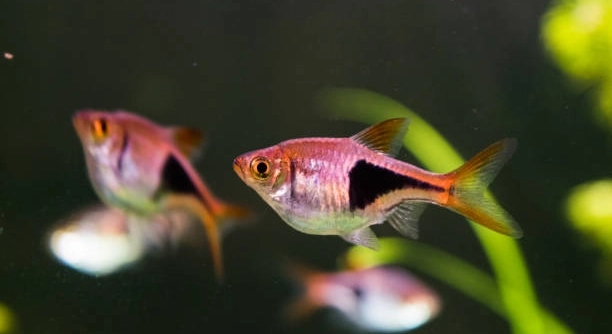
Rasboras are small, active fish often found in home aquariums. Many aquarists notice them frequently chasing the filter area, which can seem puzzling at first glance. This behavior is common and linked to their natural instincts and environment.
Rasboras chase the filter mainly because they are attracted to the movement and bubbles produced by the filter. This simulates their natural habitat’s flowing water and oxygen-rich zones, encouraging exploration and feeding behavior around the filter area.
Understanding why rasboras behave this way helps improve aquarium setup and fish care. The following details will clarify their natural tendencies and how they interact with their environment.
Why Rasboras Are Drawn to the Filter
Rasboras naturally live in environments where water moves gently but continuously. The filter in an aquarium creates currents and bubbles, mimicking these conditions. This movement provides oxygen-rich water, which is vital for their health. Additionally, the filter area often gathers small food particles, making it an attractive spot for feeding. Rasboras are curious fish that explore areas with changes in their environment. The bubbles and water flow near the filter stimulate their natural behaviors, such as swimming against currents and searching for food. Because these fish rely on water movement for oxygen and stimulation, they tend to spend a lot of time around the filter. This behavior is not a sign of stress but rather a natural response to their habitat. Understanding this helps in setting up an aquarium that suits their needs and keeps them healthy and active.
The filter’s flow provides oxygen and food particles, which rasboras find essential for survival and comfort.
The constant movement near the filter offers stimulation that keeps rasboras active. Without this flow, they may become sluggish or inactive. Ensuring the filter creates an appropriate current supports their well-being. Sometimes, adjusting the flow strength is necessary to balance activity and comfort, especially in smaller tanks. Monitoring their behavior helps to make these adjustments. Rasboras also prefer swimming in groups near the filter, which adds a social aspect to this behavior. This gathering near the filter can improve their overall activity and health. Their natural environment encourages them to seek similar conditions in captivity, so replicating this flow helps them thrive.
How to Manage Filter Interaction in Your Aquarium
It is important to create a comfortable environment where rasboras can enjoy the filter without becoming overly fixated on it.
Adjusting the flow rate can reduce excessive chasing while maintaining oxygen levels and water quality. This helps balance activity and rest periods.
Ensuring the aquarium has varied areas with calm zones and flowing water supports natural fish behavior. Adding plants or decorations near the filter can redirect their attention and provide hiding spots. Observing how your rasboras respond to changes is key. Some may still enjoy the filter’s flow more than other areas, but variety keeps their environment stimulating. Regular maintenance of the filter keeps the water clean and healthy, which also encourages normal behavior. A well-planned aquarium respects the natural instincts of rasboras while providing comfort and enrichment. This approach improves their well-being and enjoyment in the tank.
Common Misconceptions About Rasbora Behavior
Some people think rasboras chase the filter because they are stressed or unhealthy. This is not always true. Their behavior usually reflects natural instincts rather than discomfort or illness.
Rasboras are drawn to the filter’s bubbles and currents because it resembles their natural environment. They do not chase the filter out of boredom or stress, but because the flow offers oxygen and stimulation. If the fish seem healthy, active, and eat well, their chasing behavior is normal. However, if other signs of stress appear, such as clamped fins or loss of appetite, it may require attention. Observing overall behavior helps differentiate between natural curiosity and potential problems.
Another misconception is that rasboras are aggressive or territorial when chasing the filter. In reality, they are peaceful schooling fish. Their gathering near the filter is more about shared interest in the oxygen-rich area than competition. They usually swim calmly together without signs of aggression. Understanding these points helps aquarium owners better care for their fish and avoid unnecessary worry.
Adjusting Aquarium Setup to Support Rasbora Health
Proper tank setup ensures rasboras feel secure and comfortable. The filter’s flow should be balanced—not too strong to tire them, but enough to oxygenate the water. Plants and hiding spots offer rest areas away from constant currents. Providing varied environments within the tank encourages natural exploration and reduces excessive chasing. Monitoring water quality regularly is essential, as clean water supports their health and normal behavior. Proper setup promotes a healthy balance of activity and calmness for your rasboras.
How Filter Placement Affects Rasbora Behavior
Where the filter is placed influences how much rasboras interact with it. Filters near open swimming areas invite more activity around them. Placing the filter near plants or decorations can help balance their movement.
A filter positioned in a corner or behind plants provides areas with gentler currents. This gives rasboras spaces to rest and reduces constant chasing. Adjusting placement can create a natural flow pattern, encouraging balanced exploration and relaxation.
Signs Your Rasboras Are Uncomfortable
If rasboras hide constantly or show erratic swimming, the filter flow might be too strong. These behaviors signal discomfort. Adjusting flow can help them feel secure.
Benefits of Consistent Filter Maintenance
Regular filter cleaning keeps water quality high, preventing harmful buildup. This supports rasbora health and stable behavior patterns, reducing stress in the aquarium environment.
FAQ
Why do rasboras chase the filter constantly?
Rasboras chase the filter because they are attracted to the moving water and bubbles. This simulates their natural habitat, where flowing water provides oxygen and food particles. The filter area becomes a source of stimulation and interest, encouraging them to explore and swim actively.
Is chasing the filter a sign of stress in rasboras?
Chasing the filter alone is not usually a sign of stress. If the fish are healthy, eating well, and swimming normally, this behavior is natural. However, if they show other signs like clamped fins, lethargy, or loss of appetite, stress or poor water conditions might be a cause.
Can filter flow be too strong for rasboras?
Yes, strong filter flow can tire out rasboras or make them uncomfortable. They prefer gentle currents similar to their natural environments. Adjusting the flow to a moderate level helps them swim comfortably without excessive effort or stress.
How often should I clean my filter to keep rasboras healthy?
Cleaning the filter every 2 to 4 weeks is recommended, depending on tank size and bio-load. Regular maintenance ensures clean water and stable oxygen levels, which supports rasbora health and prevents behavior caused by poor water quality.
Will adding plants reduce filter chasing behavior?
Adding plants can provide resting spots and reduce chasing. Plants break up water flow, creating calm areas where rasboras can rest away from the filter’s strong currents. This creates a more balanced environment and less fixation on the filter.
Is it necessary to place the filter in a specific tank location?
Filter placement affects how much rasboras interact with it. Placing it near open areas encourages activity, while positioning it near plants or corners provides calmer zones. Experimenting with location can help find the best balance for your fish’s behavior.
Do all rasboras chase the filter or only certain species?
Most rasbora species show some interest in the filter because of their natural preference for flowing water. However, the level of interaction may vary by species and individual temperament. Some may chase the filter more than others.
Can chasing the filter harm rasboras?
Generally, chasing the filter does not harm rasboras if the flow is moderate. If the current is too strong or the fish become overly stressed, it could lead to exhaustion or injury. Monitoring behavior and adjusting conditions helps keep them safe.
Should I try to stop my rasboras from chasing the filter?
Stopping the behavior entirely is not necessary or realistic. It is a natural response to their environment. Instead, focus on providing a balanced setup with varied flow, plants, and hiding spots to reduce excessive chasing and promote comfort.
How can I tell if the filter flow is right for my rasboras?
Observe your fish. If they swim smoothly and explore without signs of fatigue or stress, the flow is likely appropriate. If they struggle to swim, hide frequently, or appear restless, consider lowering the flow or repositioning the filter.
Final Thoughts
Rasboras chasing the filter is a natural and common behavior linked to their instincts and environment. The filter’s movement and bubbles mimic the flowing water found in their native habitats, offering oxygen and food particles. This attracts them and encourages active swimming and exploration. Understanding this helps aquarium owners realize that this behavior is not a sign of distress but a natural response to the conditions inside the tank. Observing their overall health and behavior alongside the chasing will give a clearer picture of their well-being.
Providing a balanced aquarium environment is key to supporting rasboras’ needs. Adjusting the filter flow to create gentle currents helps them swim comfortably without feeling overwhelmed. Adding plants and decorations near the filter can offer resting spots and reduce the time they spend fixated on the filter area. Proper placement of the filter also plays a role in how much the fish interact with it. Ensuring clean water through regular filter maintenance supports healthy fish behavior and prevents stress caused by poor water quality. Taking these steps improves the quality of life for rasboras and encourages natural, healthy activity.
It is important to remember that rasboras are schooling fish that thrive in groups and enjoy dynamic environments. Their behavior around the filter is part of their natural instincts and should be viewed as a sign that their habitat meets some of their basic needs. Rather than trying to stop the chasing, focus on creating an environment where they feel secure and stimulated. By paying attention to flow rates, tank setup, and water quality, you can help your rasboras lead a healthy, balanced life in your aquarium.

Hello,
If you enjoy the content that we create, please consider saying a "Thank You!" by leaving a tip.
Every little bit helps us continue crafting quality advice that supports the health, happiness, and well-being of pets around the world, for pets of all shapes, sizes, and species.
We really appreciate the kindness and support that you show us!