
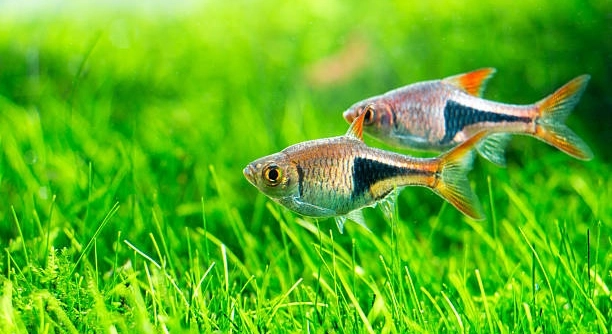
Many fish owners enjoy watching their rasboras swim gracefully in home aquariums. These small, colorful fish seem lively and responsive, which often leads to wondering about their awareness and behavior in different situations.
Rasboras do not have the capacity to sense human emotions in a direct or conscious way. Their responses are primarily based on environmental stimuli, such as movement, light, and water conditions, rather than emotional cues from people.
Exploring how fish interact with their surroundings can reveal surprising insights about their behavior and care requirements.
How Rasboras React to Their Environment
Rasboras are very sensitive to changes in their surroundings. They notice light shifts, water temperature, and movements nearby. When a person approaches the tank, rasboras might swim faster or hide, which is a natural response to potential threats. These fish rely on their senses to stay safe, not on understanding emotions. Their behavior can change if the environment is stressful or comfortable. For example, in a calm tank with stable water conditions, rasboras will swim calmly and interact with each other. If something suddenly disturbs them, like tapping on the glass, they react quickly to avoid danger. This shows that their responses are based on immediate physical changes, not feelings or emotions from humans.
Rasboras learn to recognize patterns, like feeding times, but this is different from sensing emotions.
Watching how rasboras adapt to their tank environment helps improve their care and keeps them healthy.
Observing Rasbora Behavior and Human Interaction
Rasboras may seem curious when they come close to the glass as a person nears the tank. This behavior is often mistaken for emotional connection.
The way rasboras respond to humans is mostly linked to routine and survival instincts. Over time, they may associate a person’s presence with feeding or safety, leading to calmer behavior when someone approaches. However, this is not emotional sensing but conditioned response. Rasboras do not show signs of recognizing human moods or feelings, as their brain structure does not support this type of perception. Their reactions are immediate and related to what they see, hear, or feel physically in the environment. Understanding this distinction helps in setting realistic expectations for interactions with these fish. Providing a stable, low-stress habitat is more important for their well-being than expecting emotional awareness.
Sensory Abilities of Rasboras
Rasboras rely on their senses to interact with their environment. They mainly use sight, smell, and lateral line sensing to detect movement and changes in water pressure. These help them avoid predators and find food.
Their eyesight is adapted to detect movement and contrast rather than detailed images. This allows them to quickly notice any nearby activity, such as sudden movements outside the tank. The lateral line system, a set of sensory organs along their body, helps them sense vibrations and water currents. This sense is crucial for detecting other fish and possible threats around them. Their sense of smell helps find food, but it is not linked to sensing human emotions or moods.
While rasboras are sensitive to physical changes, their sensory abilities do not extend to emotional awareness. Their behavior remains driven by survival instincts and environmental cues, not emotional understanding.
Common Misinterpretations of Fish Behavior
It is easy to misread fish behavior and attribute human feelings to them. When rasboras swim closer to a person or act differently around them, it is often seen as emotional response.
Most of these behaviors are linked to conditioning or environmental responses, not emotional sensing. For example, fish may approach during feeding time because they expect food, not because they recognize affection or mood. Movement near the tank might trigger curiosity or caution, rather than emotional awareness. Understanding this helps avoid false expectations about the nature of fish interactions. Instead, focusing on proper care and habitat ensures rasboras remain healthy and active without expecting emotional bonds.
How Rasboras Communicate
Rasboras communicate mostly through body language and movement. They use swimming patterns and positioning to signal to each other.
Color changes can also indicate stress or readiness to mate. These signs help them interact within their group without words or emotions.
The Role of Stress in Fish Behavior
Stress greatly influences how rasboras behave. Changes in water quality, temperature, or overcrowding can cause visible stress. Stress often results in hiding, erratic swimming, or loss of color. Reducing stress is key to keeping them healthy and active.
Human Influence on Rasbora Behavior
Regular feeding and gentle movements near the tank help rasboras become comfortable around humans. This comfort is based on routine, not emotional connection.
Providing a stable environment encourages calm and natural behavior in these fish.
FAQ
Can rasboras really sense human emotions?
Rasboras do not have the ability to sense human emotions. Their brains are designed to respond to physical and environmental signals, such as changes in light, movement, and water conditions. When they seem to react to a person’s presence, it is usually because they associate that presence with routine activities, like feeding. Their responses are based on survival instincts and learned patterns, not emotional understanding.
Why do rasboras come closer when I approach the tank?
This behavior often happens because rasboras link your approach with feeding time or something familiar. Over time, they may recognize movements and sounds associated with food, causing them to swim closer. It’s important to remember this is a conditioned response, not a sign they understand or share emotions.
Can stress in the tank make rasboras behave strangely?
Yes, stress can cause rasboras to act differently. Poor water quality, sudden temperature changes, or overcrowding may lead to hiding, sluggish swimming, or loss of color. Stress affects their health and behavior significantly, so keeping a stable environment is key.
Do rasboras recognize individual people?
Rasboras may recognize repeated patterns such as the shape, movement, or presence of a person, especially if associated with feeding. However, this recognition is limited and based on routine rather than emotional connection or memory of individuals like mammals might have.
What signs show that a rasbora is stressed?
Signs of stress include darting around quickly, hiding frequently, losing vibrant colors, and refusing to eat. Stress can also weaken their immune system, making them more prone to illness. Observing these signs early helps in addressing tank conditions to improve their wellbeing.
How can I help my rasboras feel safe and comfortable?
Maintaining clean water, stable temperature, and proper tank size reduces stress for rasboras. Adding plants or hiding spots can provide shelter. Feeding them regularly and avoiding sudden loud noises or tapping on the glass also helps create a calm environment.
Are rasboras social fish?
Yes, rasboras are schooling fish and do best in groups. They feel more secure and display natural behavior when kept with several others of their kind. Keeping them alone can cause stress and unusual behavior.
Do rasboras communicate with each other?
They communicate mainly through swimming patterns and body movements. Changes in color may also signal different states, like stress or readiness to mate. These communication methods help maintain group harmony and avoid conflict.
Can rasboras recognize moods from other fish?
Rasboras respond to behavior, not moods. If one fish swims nervously or hides, others might follow to stay safe. This reaction is based on observing physical actions, not sensing emotions.
What should I avoid doing around my rasboras?
Avoid sudden movements, loud noises, and tapping on the tank glass. These actions can startle and stress the fish. Keeping a calm and consistent environment helps rasboras stay healthy and behave naturally.
Is it possible to train rasboras?
While rasboras cannot be trained like pets that respond to commands, they can learn routines, such as feeding times. This helps them recognize when food is coming but does not indicate emotional understanding or advanced cognition.
Do rasboras need interaction to stay healthy?
Rasboras do best with a stable environment and proper care rather than human interaction. They do not require attention or affection to thrive, but they benefit from well-maintained tank conditions and companionship with their own species.
How do rasboras react to changes in their environment?
They respond quickly to changes by hiding, swimming faster, or changing color. These responses help them avoid danger and adapt. Sudden changes cause stress, so gradual adjustments to water conditions are recommended.
Can rasboras feel pain or discomfort?
Fish, including rasboras, have nervous systems that detect harmful stimuli, so they can feel pain or discomfort. It’s important to provide clean water and proper care to minimize suffering and promote their wellbeing.
What is the best way to observe rasbora behavior?
Watching them during feeding or in a quiet environment without sudden disturbances offers the clearest view of natural behavior. Avoid tapping or shaking the tank, which can stress them and alter their actions.
Do rasboras have memory?
Rasboras have simple memory that helps them learn routines and recognize environmental cues. This memory is limited to survival tasks and does not involve complex thinking or emotional recall.
These answers should help clarify common questions about rasbora behavior and their ability to sense emotions. Understanding their nature improves how we care for these fish and appreciate their unique ways of interacting with their surroundings.
Rasboras are fascinating little fish that add life and color to any aquarium. While they may seem aware and responsive, it is important to remember that their reactions are based on instincts and environmental cues rather than an ability to sense human emotions. They respond to changes in light, movement, and water conditions to stay safe and comfortable. This means that when rasboras swim closer or act differently around a person, they are usually responding to familiar patterns like feeding time or sudden movements, not to feelings or moods. Understanding this helps set realistic expectations when interacting with these fish.
Creating a good environment for rasboras is key to their health and natural behavior. They do best in clean, well-maintained tanks with stable water temperature and quality. Providing places to hide and keeping them in groups also supports their well-being. Stress from poor conditions can cause rasboras to hide, lose color, or swim erratically. By focusing on their physical needs and reducing stressors, owners can enjoy watching these fish thrive and display their natural behaviors. Rasboras’ simple sensory systems and instincts guide their actions, so ensuring a calm habitat is more important than expecting emotional responses.
In summary, rasboras are sensitive to their surroundings but do not sense emotions like humans do. Their behavior is driven by survival instincts and learned responses to routine events. Appreciating their nature allows for better care and a healthier aquarium. Keeping these fish happy requires attention to water conditions, tank mates, and feeding habits, rather than expecting them to connect emotionally. By respecting their limits and providing a stable home, owners can enjoy the quiet beauty of rasboras without misunderstanding their natural behavior.

Hello,
If you enjoy the content that we create, please consider saying a "Thank You!" by leaving a tip.
Every little bit helps us continue crafting quality advice that supports the health, happiness, and well-being of pets around the world, for pets of all shapes, sizes, and species.
We really appreciate the kindness and support that you show us!