
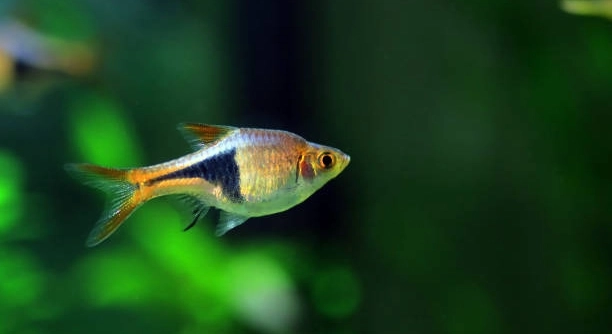
Rasboras are small, active fish that can sometimes get stuck in tight spaces within an aquarium. This can cause stress or injury if not handled properly. Knowing how to respond calmly is important for their well-being.
If a rasbora becomes stuck, the first step is to gently guide it free without forcing or causing harm. Use a soft net or your hand carefully to avoid injury. Ensure the environment is safe to prevent future incidents.
Understanding how to safely assist your fish can prevent harm and keep your aquarium a healthy space for them. The following advice will help you manage these situations effectively.
How to Safely Free a Stuck Rasbora
When you notice a rasbora stuck between decorations or plants, act calmly to avoid stressing the fish further. Start by turning off aquarium filters and pumps to reduce water movement, making it easier to handle the fish. Use a soft fish net or gently cup your hand around the rasbora to slowly guide it out of the tight spot. Avoid sudden movements or pulling, which can injure the fish’s delicate fins or body. If the fish is stuck in a hard-to-reach area, carefully rearrange nearby objects to create space for an easier escape route. After freeing the rasbora, observe it for any signs of injury or distress. If you notice damaged fins or unusual behavior, consider isolating the fish temporarily for recovery or consult a veterinarian specializing in aquatic animals. Maintaining a calm approach helps prevent additional harm during the rescue process.
Preventative steps are essential to avoid repeated incidents and keep the fish safe in the tank.
Regular tank checks and appropriate aquarium setup can reduce the chances of rasboras getting stuck again.
Preventing Rasboras from Getting Stuck
Keep tank decorations and plants arranged with plenty of swimming space. Avoid overcrowding the aquarium with large or sharp objects that can trap fish. Regularly trim plants and clean decorations to remove narrow gaps or crevices where rasboras might get stuck. Monitor the fish’s behavior to spot potential risks early and rearrange items accordingly. Providing an environment that mimics their natural habitat with open swimming areas reduces stress and promotes healthy activity. Avoid placing sharp or rough objects that can harm delicate fins if a fish tries to squeeze through small spaces. Consistent tank maintenance and thoughtful decoration placement help protect your rasboras and support their wellbeing.
These adjustments improve safety and make your aquarium more comfortable for your fish.
By giving rasboras ample space and clear swim paths, you minimize risks of injury or stress. Regular observation and tank care create a stable environment that supports healthy fish behavior. A well-maintained tank not only prevents accidents but also encourages your rasboras to thrive and display their natural swimming patterns confidently.
Signs Your Rasbora Is Stuck
If your rasbora is stuck, you may notice it staying in one place for longer than usual or struggling to move. The fish might press against tank walls, decorations, or plants awkwardly. Look for rapid gill movement or visible distress.
Once stuck, rasboras can show signs of stress such as erratic swimming or lethargy afterward. Injuries like torn fins or bruising may appear if the fish has been trapped for a while. Watch for changes in appetite or hiding behavior as well. These signs help you identify when intervention is necessary. Prompt attention can prevent long-term damage or illness.
Observing your fish regularly and recognizing these symptoms will help you act quickly. Early detection is key to minimizing harm and ensuring your rasbora recovers fully.
Tools to Help Free Your Rasbora
Using soft nets, plastic tubing, or aquarium tweezers can aid in freeing stuck rasboras gently. Avoid using sharp or rough tools to prevent injury. A small, flexible tube can guide the fish out of narrow spaces without stress. A fine mesh net provides control but should be handled with care. Prepare the tools before attempting to free the fish to work calmly and efficiently.
Sometimes, removing or rearranging aquarium decorations is necessary to create an easier path for the fish to swim out. Keep water flow low to reduce resistance. Always work slowly and calmly to avoid frightening your rasbora.
Having the right tools on hand ensures you can act swiftly and safely whenever needed, improving outcomes for your fish.
Immediate Steps to Take When a Rasbora Is Stuck
Turn off water pumps and filters to reduce strong currents. This makes it easier to approach the fish without causing additional stress. Move slowly to avoid sudden movements that can frighten the rasbora further.
Gently use a soft net or your hand to guide the fish free. Avoid pulling or forcing the fish out of the spot, as this may cause injury.
What to Do After Freeing Your Rasbora
After freeing your rasbora, check for injuries such as torn fins or bruises. Observe its behavior closely for signs of stress, like hiding or loss of appetite. Keep the fish in a calm, low-flow area to recover.
When to Seek Professional Help
If the rasbora shows signs of severe injury or continuous distress, contact an aquatic veterinarian. Prompt professional care can prevent complications and improve recovery chances.
FAQ
How do I know if my rasbora is really stuck or just hiding?
Rasboras often hide to feel safe, but if one is stuck, it will stay in a tight spot for an unusually long time and struggle to move. Watch for signs like rapid gill movement or repeated attempts to escape a narrow gap. If the fish seems trapped and unable to swim freely, it is likely stuck rather than just hiding.
What should I avoid when trying to free a stuck rasbora?
Avoid pulling or forcing the fish out of its stuck position. This can cause injury to its fins or body. Don’t use sharp or rough tools, as they can harm the delicate fish. Sudden movements or loud noises may also stress the rasbora further, making the situation worse.
Can a stuck rasbora recover fully after being freed?
Yes, most rasboras recover well if freed quickly and handled gently. After rescue, give the fish a quiet environment with low water flow to reduce stress. Monitor for injuries and changes in behavior. If problems persist, seek advice from an aquatic veterinarian to ensure proper treatment.
What causes rasboras to get stuck in the first place?
Tight spaces created by decorations, dense plants, or crowded tanks often trap rasboras. Small gaps between ornaments or sharp edges can catch fins or bodies. Overcrowding can push fish into dangerous spots. Proper tank setup and maintenance usually prevent these accidents.
How can I prevent my rasbora from getting stuck again?
Keep decorations and plants arranged to allow plenty of swimming space. Avoid placing objects too close together or with narrow gaps. Regularly trim plants and remove anything that could trap fish. Keep an eye on your fish’s behavior and adjust the environment as needed to keep it safe.
Is it safe to use a net to free a stuck rasbora?
Yes, if used gently. A soft, fine mesh net helps guide the fish out carefully without causing harm. Avoid scooping or chasing the fish quickly, as this can increase stress. Move slowly and calmly for the best results.
What signs show that my rasbora is stressed after being stuck?
Look for hiding, loss of appetite, rapid breathing, or erratic swimming. Damaged fins or discoloration can also indicate stress or injury. Stress weakens the fish’s immune system, so monitor it closely after rescue.
Should I isolate a rasbora after it has been stuck?
Isolation can be helpful if the fish shows signs of injury or severe stress. Use a separate recovery tank with calm water and good filtration. This reduces risk of further harm and allows you to monitor recovery closely.
How long does it usually take for a rasbora to recover after being stuck?
Recovery time varies but usually takes several days to a week if the fish is unharmed. Minor injuries heal quickly with proper care. Severe injuries or infections need more time and possibly medical treatment.
Can stuck rasboras develop infections?
Yes, injuries from being stuck can lead to bacterial or fungal infections. Watch for redness, swelling, or white patches on the skin and fins. Early treatment with appropriate medications can prevent serious health issues.
Are there specific tank setups better suited to rasboras?
Rasboras prefer tanks with open swimming areas, gentle water flow, and smooth decorations. Dense plants are fine but should be trimmed to avoid trapping fish. Avoid sharp or overcrowded decorations.
How often should I check my tank to prevent stuck fish?
Regular daily observation helps spot potential risks early. Weekly tank maintenance, including rearranging decorations and trimming plants, reduces hazards. Keeping a routine ensures a safer environment for your rasboras.
Can rasboras get stuck in filter intakes or equipment?
Yes, small fish can get caught in poorly guarded intakes or tubing. Use mesh guards or covers to prevent this. Regularly inspect equipment to ensure safety and proper functioning.
What is the best water flow level for rasboras to avoid stress?
Moderate to low water flow is ideal. Strong currents can push fish into tight spaces or cause exhaustion. Adjust filters and pumps to create gentle circulation, allowing rasboras to swim comfortably.
Can other tank mates cause rasboras to get stuck?
Aggressive or overly active tank mates may chase or corner rasboras, forcing them into small spaces. Choose peaceful companions and ensure enough room for all fish to avoid such incidents.
What should I do if my rasbora is stuck but refuses to move?
Be patient and reduce water flow to minimize stress. Use a soft tool like a plastic tube to gently encourage movement without forcing. If the fish still won’t move, consider carefully rearranging nearby objects to free it safely.
Are there natural behaviors that might look like a rasbora is stuck?
Rasboras sometimes squeeze through plants or decorations while exploring. If they move freely after a moment, they are not stuck. Persistent inability to escape indicates a real problem.
Can water temperature affect rasbora activity and risk of getting stuck?
Yes, cold water can slow fish movement, making it harder for them to escape tight spots. Keep water temperature stable within the species’ ideal range to maintain healthy activity levels.
What immediate signs require removing the rasbora from the tank after being stuck?
Severe injuries, constant lethargy, or heavy breathing are signs to isolate the fish. Immediate care in a quarantine tank helps prevent infections and gives better control over treatment.
How do I keep my rasboras calm during the freeing process?
Work slowly and quietly, avoiding sudden actions. Dim the tank lights if possible. Gentle water movements and soft tools help keep stress levels low during rescue.
When a rasbora gets stuck, it can be a stressful situation for both the fish and the owner. Acting quickly and calmly is important to help the fish without causing additional harm. Using gentle methods to free the fish, such as a soft net or your hand, helps avoid injury. Turning off water pumps or filters can also reduce water movement, making the rescue easier. After freeing the rasbora, observing the fish closely for signs of injury or stress is necessary to ensure it recovers well. A calm environment with low water flow supports healing and reduces the chance of further problems.
Preventing your rasbora from getting stuck again requires attention to the aquarium setup. Arranging decorations and plants to create open swimming areas reduces the risk of tight spots where fish might get trapped. Regular tank maintenance, such as trimming plants and cleaning decorations, is also helpful. Watching how your fish behave can alert you to possible dangers early on. Making these small adjustments can keep your rasboras safe and allow them to swim freely and comfortably. A well-organized tank benefits the health and happiness of all your aquatic pets.
Finally, knowing when to seek professional help is essential. If your rasbora shows signs of injury or continuous distress after being freed, contacting an aquatic veterinarian can provide the care your fish needs. Early treatment improves the chances of a full recovery. Keeping the tank clean, monitoring water quality, and providing proper nutrition also support your rasbora’s overall well-being. Taking these steps ensures that your fish stays healthy and active in its environment. With patience and care, you can create a safe and comfortable home for your rasboras.

Hello,
If you enjoy the content that we create, please consider saying a "Thank You!" by leaving a tip.
Every little bit helps us continue crafting quality advice that supports the health, happiness, and well-being of pets around the world, for pets of all shapes, sizes, and species.
We really appreciate the kindness and support that you show us!