
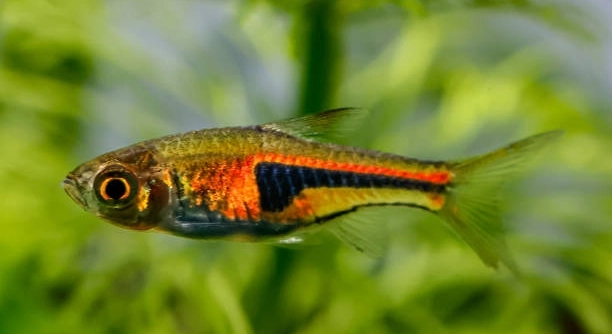
Rasboras are popular freshwater fish known for their vibrant colors and peaceful nature. Many aquarists enjoy keeping them in home tanks because they add life and movement to the aquarium environment. Over time, however, their health and behavior may change noticeably.
Rasboras exhibit several clear signs of aging, including reduced activity, faded coloration, slower swimming, and decreased appetite. These symptoms reflect natural biological decline, indicating that the fish are reaching the later stages of their lifespan and require careful monitoring.
Recognizing these signs early helps ensure you provide the best care as your rasboras grow older. The following points will help you identify and respond to these changes effectively.
Changes in Activity Levels
As rasboras age, you may notice a clear decline in their activity. These lively fish usually swim around the tank energetically, exploring every corner. However, older rasboras tend to become less active, spending more time resting near the bottom or hiding among plants. This slower movement is a natural part of aging but can also indicate that their overall health is declining. It is important to observe these changes carefully, as a sudden drop in activity might signal illness rather than just aging. Creating a comfortable environment with gentle water flow and adequate hiding spots can help older rasboras feel secure and reduce stress. Keeping the water clean and stable also supports their well-being during this stage of life.
Reduced activity is one of the first noticeable signs that rasboras are getting older.
Monitoring activity changes helps you understand when your fish may need extra care or adjustments in their habitat.
Fading Coloration
Fading coloration is a common sign of aging in rasboras. Their bright and vivid colors tend to dull gradually over time. This change happens because the pigment cells in their skin lose intensity as they grow older. It is a normal process but can be unsettling if you are used to their vibrant appearance. Dull colors might also make it harder for the fish to attract mates or communicate with others. While this color loss is mostly harmless, it can sometimes be a sign of stress or poor water quality. Ensuring a balanced diet rich in nutrients and maintaining excellent water conditions can help preserve their colors longer. In some cases, supplementing their diet with foods high in carotenoids supports pigment retention and overall health.
Recognizing fading coloration early allows you to adjust care routines and improve the quality of life for aging rasboras.
Providing a stable environment and proper nutrition can help slow down this natural decline in their appearance.
Slower Swimming Patterns
Slower swimming is a common behavior in older rasboras. They no longer dart quickly across the tank as they once did.
This reduced swimming speed occurs because their muscles weaken with age. Older rasboras conserve energy by moving less and resting more. It is important to provide a calm tank environment with minimal strong currents. This helps them swim comfortably without too much effort. You may also notice they avoid chasing other fish or food aggressively. Observing these changes helps you adjust feeding times and tank maintenance to better suit their aging needs.
Maintaining consistent water quality and a stress-free environment supports slower swimmers well. Avoid overcrowding to reduce competition and stress among the fish.
Decreased Appetite
Older rasboras often show a decreased appetite. They may eat less frequently or leave food uneaten.
This change can be related to slower metabolism and lower energy demands as they age. A smaller appetite means you should reduce feeding portions to prevent water quality issues from leftover food. Offering a variety of nutritious foods can help encourage eating. Sometimes older fish prefer softer or more easily digestible options, so adapting their diet can improve intake. Keep in mind that sudden, drastic loss of appetite might indicate illness rather than just aging, so monitor closely for other symptoms.
Adjusting feeding habits to fit their slower metabolism ensures they receive proper nutrition without overfeeding. This balance helps maintain their health during their later years.
Increased Hiding Behavior
Older rasboras tend to hide more often than younger ones. They seek shelter to feel safer and reduce stress.
This behavior helps them conserve energy and avoid confrontations with more active fish. Providing plenty of plants and hiding spots makes the tank more comfortable for aging rasboras.
Weaker Immune Response
As rasboras grow older, their immune systems weaken, making them more vulnerable to infections. They may recover more slowly from illnesses and stress. Maintaining excellent water quality is essential to reduce the risk of disease. Routine tank cleaning and careful monitoring help protect their health as they age.
Changes in Social Interaction
Aging rasboras may become less social, spending more time alone rather than swimming in groups. This shift can be due to lower energy and a desire to avoid competition.
How can I tell if my rasbora is simply aging or sick?
Aging rasboras show gradual signs like slower movement, faded colors, and less appetite. Illness often appears suddenly and includes symptoms like rapid breathing, unusual spots, or erratic swimming. Observe your fish closely; if changes happen quickly or are severe, illness is likely. Maintaining clean water and proper diet helps both aging and sick fish recover better.
What changes should I make to my tank as my rasboras get older?
Older rasboras need a calm environment with minimal strong currents, plenty of hiding spots, and stable water parameters. Avoid overcrowding to reduce stress. Lower the flow rate on filters if possible. Keep water clean with frequent but gentle maintenance, and provide softer foods that are easier to digest.
Is it normal for rasboras to eat less as they age?
Yes, a decreased appetite is common in aging rasboras. Their metabolism slows, so they require less food. Offer smaller, more frequent feedings and consider softer, nutrient-rich options to encourage eating. Avoid overfeeding to prevent water pollution.
Can diet improve the health of aging rasboras?
A balanced diet with high-quality flakes, pellets, and occasional live or frozen foods supports aging fish. Foods rich in carotenoids help maintain coloration, while vitamins strengthen the immune system. Tailor feeding to their reduced appetite, and remove uneaten food promptly to keep water quality high.
How long do rasboras typically live?
Rasboras usually live between 3 to 5 years, depending on species and care. Some may live longer with ideal conditions. Proper diet, water quality, and minimal stress contribute to a longer lifespan. Aging signs usually appear in the last year or two of life.
What signs indicate my rasbora needs veterinary attention?
Look for sudden behavioral changes, extreme lethargy, difficulty swimming, bloating, visible wounds, or white spots. If these appear, it’s best to consult an aquatic vet or experienced hobbyist for diagnosis and treatment. Early intervention improves chances of recovery.
How can I support a rasbora’s immune system as it ages?
Maintain pristine water conditions, provide a nutritious diet, and minimize stressors like aggressive tank mates or frequent disturbances. Regular water changes and monitoring parameters like pH, ammonia, and nitrites are crucial. Avoid overstocking and sudden temperature changes.
Should aging rasboras be separated from younger fish?
Separating older rasboras can reduce stress and competition, especially if younger fish are more active or aggressive. A quieter tank with compatible tank mates helps aging fish thrive. However, rasboras are social, so keep at least a small group together to avoid loneliness.
What environmental factors accelerate aging in rasboras?
Poor water quality, fluctuating temperatures, overcrowding, and inadequate diet speed up aging and reduce lifespan. Stress weakens their immune system, leading to quicker decline. Providing stable, clean conditions and balanced nutrition slows aging effects.
Is medication safe for older rasboras?
Medication can help treat illnesses but may stress older fish more than younger ones. Use only when necessary and follow dosage instructions carefully. Quarantine treated fish if possible. Consult experts before giving medications to ensure safety and effectiveness.
How often should I check water conditions for aging rasboras?
Test water parameters at least once a week. Older fish are more sensitive to changes, so frequent checks help catch problems early. Keep ammonia, nitrite, and nitrate levels near zero, and maintain stable temperature and pH within species-specific ranges.
Can supplements extend the life of my rasboras?
Some supplements, like vitamins and immune boosters, may support health but won’t drastically extend lifespan. Focus on good husbandry practices first. Consult aquatic specialists before adding supplements to avoid overdosing or harming your fish.
What are common diseases in aging rasboras?
Older rasboras are prone to infections like ich, fin rot, and fungal diseases due to weakened immunity. Parasites and bacterial infections can also occur. Maintaining cleanliness and observing fish regularly reduces disease risk. Early treatment is essential.
How do I reduce stress for aging rasboras?
Keep tank conditions stable and quiet. Avoid sudden changes in water, temperature, or lighting. Provide plenty of hiding places and avoid aggressive or fast-moving tank mates. Feed on a regular schedule with high-quality food to support comfort and health.
Can older rasboras still breed?
Breeding usually declines as rasboras age because of lower energy and fertility. While possible, it becomes less frequent and less successful. If breeding is a goal, younger fish are better suited. Focus on good care to keep older fish comfortable.
This FAQ covers essential points to help you care for aging rasboras with confidence and compassion.
Understanding the signs that your rasboras are getting too old helps you provide better care and improve their quality of life. Aging is a natural part of their lifespan, and recognizing changes such as slower swimming, fading colors, decreased appetite, and increased hiding behavior allows you to adjust their environment accordingly. These signs do not always mean your fish are sick, but they do indicate a need for more gentle care. By offering a calm tank setup, stable water conditions, and proper nutrition, you can help your rasboras remain comfortable and healthy during their later years.
It is important to monitor aging rasboras closely and respond to their changing needs. Since their immune systems weaken with age, they become more vulnerable to diseases and infections. Regular water testing and maintenance help keep the environment safe and stress-free. Adjusting feeding routines to smaller, more frequent meals that are easy to digest can encourage eating and prevent water pollution. Additionally, providing plenty of plants and hiding spots offers them security and reduces stress. These simple steps contribute to a better quality of life and may extend the time you get to enjoy watching your rasboras in the aquarium.
While aging is inevitable, thoughtful care makes a difference in how your rasboras experience their final stages. Avoid overcrowding the tank and keep water parameters consistent to prevent unnecessary stress. If illness signs appear, act quickly with proper treatment or professional advice to give your fish the best chance of recovery. Understanding and accepting the natural aging process helps you appreciate the time you have with your rasboras and ensures they live comfortably until the end. Taking these steps shows respect for your fish’s well-being and reflects the responsibility of keeping them as pets.

Hello,
If you enjoy the content that we create, please consider saying a "Thank You!" by leaving a tip.
Every little bit helps us continue crafting quality advice that supports the health, happiness, and well-being of pets around the world, for pets of all shapes, sizes, and species.
We really appreciate the kindness and support that you show us!