
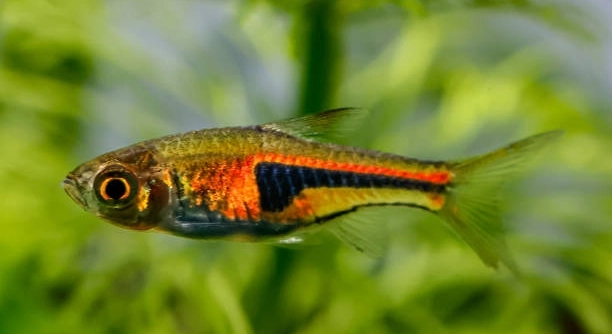
Rasboras are small, active fish often kept in home aquariums. Many fishkeepers enjoy watching their behavior and wonder how these fish adapt to daily tank life. Understanding their routines can help create a better environment for them.
Rasboras can learn some aspects of tank routines, such as recognizing feeding times and familiar movements around the tank. Their learning ability is limited but consistent enough to show basic adaptation to repeated events in their environment.
Knowing how rasboras respond to their surroundings helps improve care and interaction with them. This knowledge can make tank life more enjoyable for both fish and keeper.
How Rasboras Recognize Their Environment
Rasboras are sensitive to changes in their surroundings. Over time, they start to recognize regular activities, like the person approaching the tank or the sound of the filter turning on. These cues become part of their daily routine, helping them feel more secure. When they see familiar movements or hear certain sounds, they often gather near the front of the tank, anticipating feeding time. This behavior shows they can connect specific signals with outcomes, such as food being provided. However, their learning mainly revolves around repetition and consistency in the environment. Sudden changes can cause stress or confusion, so maintaining a steady routine is important for their well-being. Creating a calm, predictable setting helps rasboras thrive and reduces their anxiety. It also makes observing their natural behavior easier and more rewarding. With patience, you can notice how these little fish adjust to your care habits and daily schedule.
Rasboras do not learn complex tasks but respond well to consistent, repeated signals within their tank environment.
Understanding these simple learned behaviors allows you to create a stable, comfortable habitat that encourages natural and healthy activity in your rasboras.
The Role of Feeding Time in Tank Routines
Feeding time is one of the clearest ways rasboras show learning. They quickly associate the sight or sound of the feeder with food. This connection makes them swim actively to the front when it’s time to eat. Such behavior is common among many aquarium fish, but rasboras show it quite noticeably. Consistency is key—feeding at the same times each day helps reinforce this routine. It also improves their appetite and reduces stress. If feeding times vary greatly, rasboras may become restless or confused, which can affect their health over time. Feeding routines also provide a chance to check on their well-being. Watching how eagerly they respond can be an indicator of their overall condition. Over time, you might even find they recognize your presence and associate it with a positive experience. This simple form of learning helps strengthen the connection between you and your fish, making tank care more interactive and fulfilling.
How Rasboras React to Changes in Their Routine
Rasboras are sensitive to changes and can show signs of stress if their routine is disrupted. Sudden alterations in feeding time, lighting, or tank maintenance may cause them to hide or become less active.
Stress from changes can affect their health and behavior. When routines are inconsistent, rasboras might become skittish or lose appetite. They rely on regular patterns to feel safe. For example, if feeding is delayed, they may swim anxiously or search the tank more actively. Similarly, changes in lighting or water flow without warning can unsettle them. Maintaining steady conditions helps keep them calm and active. Small disruptions are normal, but keeping major changes gradual is best.
It’s important to observe how your rasboras react to any routine shifts. Noticing stress signs early can help you adjust care to minimize discomfort. Consistency in daily care promotes healthier, more confident fish.
Interaction and Training Possibilities
Rasboras can learn to recognize their keeper and some simple cues through repetition. They often respond positively to gentle tapping or specific movements associated with feeding. This interaction helps build trust.
Using repeated actions, such as tapping the tank before feeding, encourages rasboras to associate signals with food. Over time, they swim toward the source of the cue, showing a basic form of training. This behavior improves feeding efficiency and strengthens the bond between keeper and fish. While their learning is limited, these interactions add interest and enjoyment to aquarium care. It also gives a chance to monitor their health closely. Training rasboras in this way requires patience and consistency but can make daily routines smoother and more predictable for both fish and keeper.
Signs Rasboras Are Learning
Rasboras show learning by recognizing feeding cues and anticipating food. They often swim to the front when they hear familiar sounds or see certain movements.
Repeated exposure to these signals helps them adapt. This behavior indicates basic memory and recognition abilities in rasboras.
Limitations of Rasbora Learning
Rasboras have limited cognitive abilities. Their learning is mostly based on simple conditioning and repeated routines rather than complex problem-solving.
Understanding this helps set realistic expectations for what behaviors you can train or expect from them.
Creating a Consistent Environment
A stable and predictable tank routine supports rasboras’ ability to learn and feel secure. Consistency in feeding, lighting, and maintenance reduces stress and encourages natural behavior.
Benefits of Observing Rasbora Behavior
Watching your rasboras’ reactions gives insight into their health and comfort. Changes in behavior often signal when adjustments to care are needed.
FAQ
Can rasboras recognize their owners?
Rasboras can recognize regular movements and sounds around their tank, which often include their owner’s approach. They don’t recognize faces like pets such as dogs or cats, but they do become familiar with the presence and routines of the person who feeds them. Over time, they may swim toward the front of the tank when they see or hear you, showing they associate you with food and care.
How long does it take for rasboras to learn feeding times?
Rasboras usually begin to recognize feeding times within a few days to a week, especially if feeding happens consistently. They respond to regular signals like the sound of food being poured or the person’s movement near the tank. Consistency is important to help them form this routine quickly. If feeding times change often, it may take longer for them to adjust.
Can rasboras be trained to do tricks?
Rasboras are limited in what they can learn. They can respond to simple cues related to feeding but are not capable of complex tricks or commands. Their learning mostly comes from conditioning—associating a signal with food. Training is best focused on establishing feeding routines or encouraging natural behaviors rather than expecting elaborate tricks.
What behaviors show that rasboras are stressed?
Signs of stress in rasboras include hiding more often, swimming erratically, or losing interest in food. They may also become pale or have clamped fins. Stress can be caused by sudden changes in environment, poor water quality, or aggressive tank mates. Keeping a consistent routine and stable tank conditions helps reduce stress and keeps them healthy.
How do changes in tank routine affect rasboras?
Rasboras rely on routine to feel safe. Sudden changes, like feeding at different times or altering lighting schedules, can cause confusion and stress. They might swim nervously or hide until the new routine becomes familiar. Gradual changes are better, and maintaining a steady environment supports their well-being.
Can rasboras learn to recognize feeding cues other than feeding time?
Yes, rasboras can learn to associate specific signals with feeding, such as tapping on the tank or a light turning on. These cues become triggers that prompt them to swim to the feeding area. Repeating these signals consistently helps them form this association.
Is it harmful to change the tank routine often?
Frequent changes to the tank routine can stress rasboras and may affect their appetite and immune system. Consistency in feeding, lighting, and cleaning schedules is important. If changes are necessary, they should be done slowly to allow the fish time to adjust.
How can I tell if my rasboras have learned something?
You can tell rasboras have learned when they respond quickly to feeding cues or show anticipation for routine events. For example, swimming to the front when you approach or reacting to tapping on the glass before food appears. These behaviors show basic memory and recognition.
Do all rasboras learn at the same pace?
Individual rasboras may learn at different speeds based on their personality and environment. Some may respond quickly to cues, while others take longer. Tank conditions and consistency in routines also influence how fast they adapt.
What is the best way to encourage learning in rasboras?
The best approach is consistency. Feed them at the same times, use clear signals before feeding, and keep tank conditions stable. Gentle interaction helps them feel safe and more willing to respond. Patience is key, as their learning is gradual and simple.
Rasboras are small fish that can learn simple routines in their tank. They mostly recognize feeding times and certain signals, like the sound of food or familiar movements near the tank. This learning helps them feel more secure and comfortable in their environment. However, their ability to learn is basic and mostly based on repetition. They do not understand complex commands or tricks, but they do respond well to consistent care and routine. This makes their daily life less stressful and more natural.
Keeping a steady routine is very important for rasboras. They rely on regular feeding times, stable lighting, and calm tank conditions to stay healthy and happy. Sudden changes can cause stress, which may show as hiding, less activity, or loss of appetite. When their environment is predictable, rasboras feel safer and show more natural behavior. This also allows fishkeepers to notice any health or behavior changes early. Simple signals, like tapping the tank before feeding, can help rasboras recognize what is coming and make feeding time easier for everyone.
Overall, caring for rasboras with consistency and patience is key. They respond best when routines stay the same and when they receive gentle, regular attention. Observing their behavior helps understand how well they are adapting and if their needs are being met. While rasboras do not learn in complex ways, their ability to adjust to daily tank life makes them rewarding fish to keep. Creating a calm and stable environment benefits both the fish and the person caring for them.

Hello,
If you enjoy the content that we create, please consider saying a "Thank You!" by leaving a tip.
Every little bit helps us continue crafting quality advice that supports the health, happiness, and well-being of pets around the world, for pets of all shapes, sizes, and species.
We really appreciate the kindness and support that you show us!