
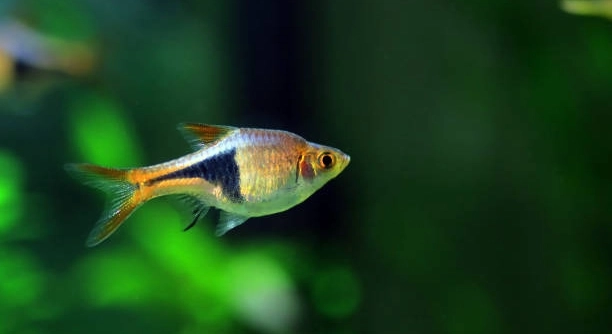
Rasboras are popular aquarium fish known for their graceful fins and peaceful nature. Keeping their fins healthy is important for their overall well-being and appearance. Many factors can cause damage to these delicate fins over time.
Fin damage in rasboras often results from poor water quality, aggressive tank mates, physical injury, fin rot disease, stress, improper diet, and overcrowding. Each factor can contribute to weakening or tearing their fins, affecting their health significantly.
Learning about these common causes helps you protect your rasboras’ fins and keep them looking their best in your aquarium.
Poor Water Quality
Poor water quality is one of the main reasons rasbora fins get damaged. When the water is dirty or has high levels of ammonia and nitrites, it irritates their fins and skin. This can cause the fins to become frayed, torn, or even develop infections. Regular water changes and testing help keep the water safe and clean. Rasboras are sensitive to sudden changes in water parameters, so stability is key. If you notice cloudy water, a bad smell, or sluggish fish, it’s a sign the water needs attention. Using a good filtration system and not overfeeding your fish also keeps the water healthy. Keeping these conditions in check helps protect their delicate fins from harm.
Keeping water clean supports your rasbora’s health and fin condition. This simple step prevents many fin problems before they start.
Taking care of water quality may seem basic, but it’s often overlooked. Clean water helps prevent infections like fin rot, which causes fins to decay. Fish exposed to dirty water become stressed, weakening their immune systems and making them more prone to damage. Testing water weekly for ammonia, nitrites, and nitrates keeps conditions stable. Avoid overcrowding to reduce waste buildup. Changing 20-30% of the water weekly keeps toxins low. Using water conditioners removes harmful chemicals like chlorine. Proper filtration also circulates oxygen, benefiting the fish’s health. When water quality is good, rasboras stay active, their fins look vibrant, and they heal faster from any minor damage. Overall, maintaining water cleanliness is essential for strong, healthy fins and a thriving aquarium environment.
Aggressive Tank Mates
Aggressive fish in the tank can harm rasbora fins by nipping or chasing them.
When housed with rough fish, rasboras may get stressed or injured. It’s best to keep them with peaceful species that won’t bother their fins. Avoid adding fish known for fin nipping, like some barbs or cichlids. If aggression occurs, separate the rasboras immediately to prevent further damage. Peaceful companions allow rasboras to swim calmly and keep their fins intact.
Aggressive behavior stresses rasboras, causing them to hide or become weak. Constant chasing can tear fins and lead to infections. Monitoring fish interactions is important to maintain a calm tank. Adding plenty of plants and hiding spots reduces conflicts by giving rasboras safe areas to escape. Providing enough space also helps minimize territorial disputes. Selecting tank mates carefully ensures rasboras can thrive without fin damage. By keeping the environment peaceful, you protect their fins and overall health.
Physical Injury
Physical injuries to rasbora fins often happen when they swim into sharp decorations or rough surfaces in the tank. Fin tears can also occur during handling or from sudden movements. Avoid using sharp or abrasive ornaments and be gentle when moving your fish.
Fin injuries create open wounds that can lead to infections if untreated. These injuries may heal slowly if water quality is poor or if the fish is stressed. It’s important to provide a safe environment with smooth surfaces and plenty of space for swimming. If you notice a tear, isolate the affected fish if necessary to prevent further damage from tank mates.
Maintaining good water quality and reducing stress helps fins heal faster. Adding aquarium salt in small amounts can support recovery and reduce the risk of infection. Keep a close eye on your rasboras after injury, and improve tank conditions to avoid future accidents. This way, your fish can regain healthy fins and swim comfortably again.
Fin Rot Disease
Fin rot is a common bacterial infection that causes fins to fray and decay. It often occurs when water conditions are poor or the fish is stressed. Early treatment can stop the disease from worsening.
The disease usually starts as small white edges on the fins and progresses to large chunks missing if untreated. It is often linked to high ammonia or nitrite levels and overcrowding. To treat fin rot, improve water quality immediately by performing water changes and reducing stress factors. Using antibacterial medications can help kill the infection. Quarantining affected fish prevents spread to others in the tank.
Prevention is the best strategy. Regular water tests, proper feeding, and peaceful tank mates keep your rasboras healthy. Keeping the aquarium clean and stable reduces the chance of fin rot appearing. Good tank care protects your fish’s fins and overall well-being.
Stress
Stress weakens rasboras and makes their fins more prone to damage. It can come from overcrowding, sudden changes in water, or aggressive tank mates.
A stressed fish may lose appetite and become inactive. Reducing stress through proper tank care helps maintain strong fins and overall health.
Improper Diet
A poor diet lacking essential nutrients weakens rasbora fins over time. Balanced feeding with quality flakes, pellets, and occasional live foods supports fin growth and repair.
Feeding small amounts several times a day prevents overeating and keeps your fish healthy. Avoid low-quality or stale food to protect fin health.
Overcrowding
Too many fish in a tank cause competition for space and resources. Overcrowding leads to increased stress, aggression, and fin damage.
Providing enough room and proper filtration ensures your rasboras stay healthy and their fins remain intact. A balanced stocking level is key.
FAQ
How can I tell if my rasbora’s fins are damaged?
Damaged fins usually look frayed, torn, or have ragged edges. You might also see discoloration or white spots near the fin tips. Sometimes the fins look shorter than usual or may have missing pieces. If your fish is scratching against objects or swimming awkwardly, it could be due to fin damage.
What are the first steps to take when I notice fin damage?
Start by testing your water for ammonia, nitrites, and nitrates. Perform a partial water change if needed to improve water quality. Check your tank mates for aggressive behavior that might be causing injury. Isolate the fish if damage looks severe to prevent further harm. Consider adding aquarium salt to support healing.
Can fin damage heal on its own?
Yes, minor fin tears and damage often heal if the water conditions are good and stress is low. Fins regrow slowly, but it can take several weeks. Healing is faster when the fish is not exposed to further injury or infection.
What causes fin rot and how can I prevent it?
Fin rot is caused by bacteria, often due to poor water quality or stress. To prevent it, keep water clean, avoid overcrowding, and reduce stress. Quarantine new fish before adding them to your tank to avoid introducing diseases.
Is it okay to use medication for fin damage?
Medication is useful if fin rot or infections are present. For minor injuries without infection, improving water quality and reducing stress might be enough. Always follow medication instructions carefully and avoid overuse.
How often should I change my aquarium water to protect fins?
Perform regular water changes of about 20-30% weekly. This keeps toxin levels low and prevents conditions that harm fins. Regular maintenance is key to healthy fish.
Can aggressive tank mates be trained to stop fin nipping?
Most aggressive behavior is natural and difficult to change. It’s better to separate aggressive fish or choose peaceful tank mates that won’t harm rasboras. Adding plants and hiding spots can reduce aggression by providing safe areas.
Does diet really affect fin health?
Yes, a balanced diet rich in vitamins and nutrients supports fin growth and repair. Feeding varied foods like high-quality flakes, pellets, and occasional live or frozen foods keeps your fish strong.
What decorations should I avoid to prevent fin injury?
Avoid sharp or rough decorations that can tear fins. Smooth rocks, silk plants, and safe ornaments are better choices. Check new decorations for sharp edges before adding them to your tank.
How can I reduce stress for my rasboras?
Keep stable water conditions, avoid sudden changes, and maintain a peaceful tank community. Provide plenty of plants and hiding spaces so fish feel safe. Avoid overcrowding and keep a consistent feeding schedule.
Is overcrowding harmful to rasboras’ fins?
Yes, overcrowding causes stress, increases aggression, and leads to fin damage. Giving each fish enough space reduces these risks and promotes healthy fins.
Can aquarium salt help with fin damage?
In small amounts, aquarium salt can reduce infection risk and help damaged fins heal. Use it carefully and follow dosing instructions, as too much salt can harm your fish.
Should I quarantine new fish to protect rasbora fins?
Yes, quarantining new fish helps prevent introducing diseases and aggressive behavior that can damage fins. A quarantine period of at least two weeks is recommended.
How long does it take for rasbora fins to fully recover?
Recovery time varies but usually takes several weeks for fins to grow back fully. Healing is faster in clean, stress-free environments with good nutrition.
Can fin damage affect my fish’s behavior?
Damaged fins may cause fish to swim less or hide more often. Pain or discomfort can make them less active and reduce appetite. Healing fins improve their behavior and well-being.
Taking care of rasbora fins means paying attention to their environment and daily needs. Healthy fins are a sign that your fish is comfortable and well cared for. Damaged fins can happen for many reasons, but most are preventable with proper care. By keeping the water clean, choosing peaceful tank mates, and avoiding overcrowding, you can create a safe space for your rasboras to thrive. Remember, small changes in their habitat can make a big difference in their fin health.
Watching your rasboras swim gracefully with their full fins is rewarding. When you notice any signs of fin damage, acting quickly helps prevent further harm. Simple steps like checking water quality, adjusting tank mates, and improving diet can support fin repair. Sometimes, fin damage may heal on its own if the conditions are right. However, if you see signs of infection or worsening damage, treatments may be necessary. Keeping a close eye on your fish’s behavior and appearance is important for early detection.
Overall, caring for rasbora fins is part of caring for the whole fish. The better the environment and care, the healthier your fish will be. Patience and consistency are key. With time, attention, and proper care, your rasboras can enjoy strong, beautiful fins. This helps them swim better and live happier lives in your aquarium. Taking these steps not only protects their fins but also enhances your enjoyment of your fishkeeping experience.

Hello,
If you enjoy the content that we create, please consider saying a "Thank You!" by leaving a tip.
Every little bit helps us continue crafting quality advice that supports the health, happiness, and well-being of pets around the world, for pets of all shapes, sizes, and species.
We really appreciate the kindness and support that you show us!