
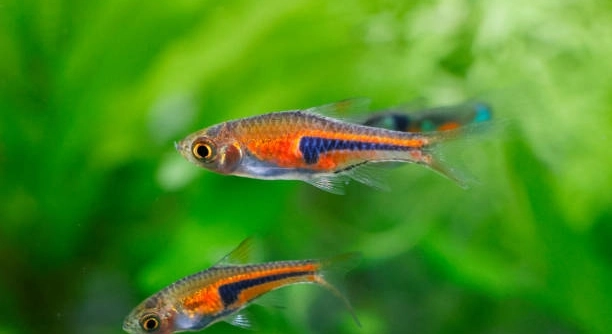
Setting up a peaceful Rasbora tank requires attention to detail and proper care. These small, active fish thrive in calm environments with the right water conditions and tank setup. A well-prepared tank helps Rasboras display their natural beauty and behavior.
The key to establishing a peaceful Rasbora tank is maintaining stable water parameters, providing adequate hiding spaces, and choosing compatible tank mates. Proper filtration and gentle water flow also support their well-being, creating a stress-free habitat essential for their health.
Creating the ideal environment for Rasboras ensures they live comfortably and actively. This guide will cover the necessary steps to achieve a balanced, peaceful tank.
Choosing the Right Tank Size and Setup
A Rasbora tank does not need to be very large, but the size should allow enough space for the fish to swim comfortably. A tank of at least 20 gallons is ideal for a small group of Rasboras. The tank should have a secure lid to prevent jumping, as these fish can be quite active. Use a dark substrate to mimic their natural environment, which helps reduce stress. Adding live plants like Java fern or Anubias provides shelter and improves water quality. Soft, gentle lighting creates a calm atmosphere, which Rasboras prefer. Keep the tank clean by performing regular water changes and avoid overcrowding, as too many fish can lead to aggression and poor water conditions.
In addition, use a gentle filter system to maintain clean water without creating strong currents. Rasboras do best in slow-moving water.
Setting up the tank thoughtfully helps Rasboras thrive. Paying attention to space, decoration, and water flow will keep the environment peaceful and healthy. A comfortable tank encourages natural behavior and long-term well-being.
Maintaining Water Quality
Water quality is crucial for keeping Rasboras healthy and stress-free. They prefer slightly acidic to neutral pH levels, between 6.0 and 7.5, and soft to moderately hard water. Regular water testing helps ensure the parameters remain stable. Temperature should be kept between 72 and 79 degrees Fahrenheit. Sudden changes in temperature or chemistry can cause stress or illness. Weekly water changes of 20-30% are important to remove waste and toxins. Avoid using harsh chemicals or untreated tap water, which can harm the fish. Using a water conditioner removes chlorine and chloramine, making the water safe for Rasboras.
Stable water conditions promote good health and vibrant colors. Frequent monitoring and maintenance reduce risks of disease and improve the tank environment.
Consistent care with water testing and conditioning is key to a successful Rasbora tank. Maintaining proper temperature and pH avoids stress and supports their active nature. Regular water changes keep the environment clean and balanced, allowing Rasboras to flourish peacefully. Attention to detail in water quality preserves their health over time.
Selecting Compatible Tank Mates
Rasboras do best with peaceful species that won’t compete aggressively for food or territory. Avoid large or overly active fish that might stress or harm them. Small tetras, corydoras catfish, and shrimp are good companions. Keep groups of Rasboras together, as they are schooling fish and feel safer in numbers.
Choosing tank mates that share similar water needs helps maintain stable conditions. Peaceful species reduce stress and encourage natural behavior. Avoiding aggressive or territorial fish prevents injuries and conflict. Compatibility ensures a calm, balanced tank where all inhabitants thrive comfortably.
A well-planned community tank allows Rasboras to show their best colors and swimming patterns. Ensuring all species have enough space and hiding spots prevents stress. Regular observation helps detect any signs of bullying or illness early. Maintaining harmony in the tank promotes long-term health and enjoyment.
Feeding Your Rasboras
Rasboras enjoy a varied diet of high-quality flakes, micro pellets, and live or frozen foods like brine shrimp and daphnia. Feeding small amounts two to three times daily prevents overfeeding and water pollution. Uneaten food should be removed promptly to keep the tank clean.
Balanced nutrition supports their energy and coloration. Offering different food types helps meet their dietary needs and encourages natural foraging behavior. Avoid overfeeding, which can cause health problems and degrade water quality.
Feeding time is also a good chance to observe your Rasboras’ activity and health. Healthy fish are alert and eager during feeding. Adjust the diet if you notice any changes in appetite or appearance. Proper feeding supports a peaceful and thriving tank environment.
Lighting and Decorations
Rasboras prefer soft lighting that mimics their natural environment. Too bright lights can cause stress and hide their colors. Using floating plants or shaded areas helps create a calm atmosphere. Decorations should provide hiding spots without overcrowding the tank.
Avoid sharp or rough decorations that could injure delicate fins. Smooth rocks and driftwood work well. Live plants improve water quality and offer shelter. A balanced setup keeps Rasboras comfortable and active.
Monitoring Fish Health
Regular observation is key to catching health issues early. Watch for changes in behavior, appetite, or appearance. Common signs of illness include faded colors, clamped fins, or sluggish movement. Prompt action helps prevent disease spread and loss.
Maintaining good water quality and a balanced diet supports strong immune systems. Quarantining new fish reduces risks. Consistent care protects the peaceful environment Rasboras need.
Water Temperature Stability
Keeping water temperature steady is important for Rasboras. Sudden fluctuations cause stress and weaken immunity. A reliable heater and thermometer help maintain the ideal range between 72°F and 79°F. Consistent warmth promotes natural activity and feeding habits.
Regular Tank Maintenance
Frequent cleaning and water changes maintain a healthy environment. Removing debris and testing water parameters prevents buildup of harmful substances. A clean tank reduces stress and illness risks for Rasboras.
FAQ
How many Rasboras should I keep together?
Rasboras are schooling fish and feel safest in groups. A minimum of six is recommended to encourage natural behavior and reduce stress. Smaller groups can cause shyness and hiding. Larger groups create a more lively, balanced tank environment, allowing them to swim freely as they would in nature.
What is the ideal water pH for Rasboras?
Rasboras thrive in slightly acidic to neutral water, with a pH between 6.0 and 7.5. Keeping the pH stable is important, as sudden changes can cause stress or illness. Regular water testing helps maintain this balance and ensures a healthy tank environment.
Can Rasboras live with other fish?
Yes, Rasboras do well with peaceful tank mates such as small tetras, corydoras catfish, and shrimp. Avoid aggressive or large fish that may bully or outcompete them for food. Compatibility depends on shared water parameter needs and temperament.
How often should I feed my Rasboras?
Feeding two to three small meals a day is best. Offer a mix of flakes, pellets, and live or frozen foods like brine shrimp. Avoid overfeeding to prevent water quality issues. Remove uneaten food after a few minutes to keep the tank clean.
What temperature do Rasboras need?
Keep the tank temperature steady between 72°F and 79°F. Use a reliable heater and thermometer to avoid sudden fluctuations. Stable temperature supports their immune system and encourages active swimming and feeding.
Do Rasboras need live plants?
Live plants are not required but highly beneficial. They provide shelter, improve water quality, and create a natural environment. Plants like Java fern and Anubias are low-maintenance and suited for Rasbora tanks. Floating plants add shaded areas, helping reduce stress.
How often should I change the water?
Weekly water changes of 20-30% are recommended to keep the water clean and free of toxins. Regular changes prevent waste buildup and maintain stable water parameters. Use a water conditioner to remove chlorine and chloramine from tap water before adding it to the tank.
What should I do if my Rasboras show signs of illness?
Look for symptoms like faded color, clamped fins, or lethargy. Quarantine sick fish to prevent spreading disease. Check water quality and correct any imbalances. Consult a specialist or use appropriate treatments if necessary. Early detection and care improve recovery chances.
Can Rasboras jump out of the tank?
Yes, Rasboras are active and may jump if startled or stressed. A secure lid on the tank is essential to prevent escapes. Keeping the environment calm and stable reduces jumping behavior.
What kind of filter is best for a Rasbora tank?
A gentle filter that does not create strong currents is best. Rasboras prefer slow-moving water, so sponge filters or adjustable hang-on-back filters work well. Proper filtration maintains water quality while keeping the environment peaceful.
How do I introduce Rasboras to a new tank?
Acclimate them slowly by floating the bag in the tank for 15-20 minutes. Gradually add small amounts of tank water to the bag over an hour to adjust to new water conditions. This reduces stress and helps them adapt smoothly.
Are Rasboras sensitive to light?
Yes, harsh lighting can stress Rasboras. Soft, diffused light or shaded areas from plants help them feel secure. Avoid placing the tank in direct sunlight to prevent temperature spikes and algae growth.
How long do Rasboras typically live?
With proper care, Rasboras live around 3 to 5 years. Stable water conditions, good nutrition, and a peaceful environment support their lifespan. Regular monitoring and maintenance help them stay healthy.
Is tank size important for Rasboras?
Yes, a minimum of 20 gallons is recommended for a small group. More space allows natural swimming and reduces territorial behavior. Overcrowding causes stress, aggression, and poor water quality. Proper tank size is essential for their well-being.
Can I keep different species of Rasboras together?
Some species can be mixed if they share similar water needs and temperaments. Research compatibility before mixing species. Avoid combining overly aggressive or much larger Rasboras with smaller, peaceful ones.
What are common problems in a Rasbora tank?
Common issues include poor water quality, overcrowding, incompatible tank mates, and improper diet. These lead to stress, illness, and aggressive behavior. Regular maintenance and careful planning prevent most problems.
How do I encourage Rasboras to breed?
Create ideal water conditions with soft, slightly acidic water and stable temperature around 78°F. Provide plenty of plants or spawning mops. Feed high-quality live foods to condition them. Remove adults after eggs are laid to protect the fry.
Can Rasboras live in a community tank with aggressive fish?
No, aggressive fish cause stress, injury, or death. Rasboras need peaceful companions to thrive. Avoid any fish known for fin-nipping or territorial behavior. Choosing compatible species ensures a calm tank.
How often should I clean the tank?
Perform partial water changes weekly and clean the substrate and decorations monthly. Avoid deep cleaning that disturbs beneficial bacteria. Regular cleaning keeps the tank healthy without stressing the fish.
Is it necessary to quarantine new fish before adding them?
Yes, quarantining new fish for two weeks helps prevent introducing diseases to the main tank. This practice protects the health of your Rasboras and other tank inhabitants. Monitoring new arrivals ensures they are healthy before joining the community.
Setting up a peaceful Rasbora tank takes some planning and care. These small fish need stable water conditions and a calm environment to feel secure. Choosing the right tank size, maintaining water quality, and providing enough hiding places are important steps. A tank that mimics their natural habitat helps Rasboras stay healthy and show their best colors. It is also essential to avoid overcrowding and select compatible tank mates to reduce stress and keep peace in the tank. By paying attention to these details, the tank becomes a comfortable home where Rasboras can swim actively and behave naturally.
Feeding Rasboras properly plays a key role in their health. Offering a varied diet of flakes, pellets, and occasional live or frozen foods ensures they get enough nutrients. Feeding small amounts two to three times daily helps avoid overfeeding and keeps the water clean. Regular observation during feeding times allows for checking the fish’s behavior and health. If any fish shows signs of illness or changes in appetite, adjusting care or consulting with a specialist is advisable. Keeping the diet balanced and the environment clean supports the fish’s immune system and reduces risks of disease.
Routine tank maintenance is necessary to keep the Rasbora tank peaceful and healthy. Regular water changes help remove waste and maintain stable water parameters, while gentle filtration keeps the water clear without disturbing the fish. Cleaning the substrate and decorations carefully preserves beneficial bacteria that support the tank’s ecosystem. Monitoring temperature, lighting, and fish behavior regularly ensures any issues are caught early and addressed. With consistent care and attention, a Rasbora tank can remain a beautiful, tranquil space that provides enjoyment and satisfaction for both the fish and the owner.

Hello,
If you enjoy the content that we create, please consider saying a "Thank You!" by leaving a tip.
Every little bit helps us continue crafting quality advice that supports the health, happiness, and well-being of pets around the world, for pets of all shapes, sizes, and species.
We really appreciate the kindness and support that you show us!