
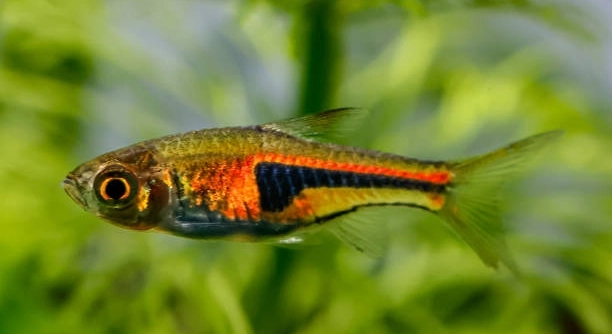
Rasboras are small, peaceful fish that brighten up any aquarium with their gentle movement and vibrant colors. Many fish owners enjoy watching them but often wonder how to connect more closely with these lively swimmers. Building a bond with your rasbora can enhance your aquarium experience.
Bonding with rasboras involves consistent interaction, maintaining a stable and clean environment, offering proper nutrition, and recognizing their natural behaviors. These practices encourage trust and comfort, allowing owners to observe and appreciate their fish’s unique personalities.
Learning ways to bond helps create a healthy, engaging space for both you and your rasbora to enjoy. The following tips focus on fostering a closer connection with your aquatic friends.
Creating a Comfortable Environment
Rasboras thrive in calm and stable environments. Keeping the water clean and maintaining consistent temperature helps reduce their stress and encourages natural behavior. Adding plants and hiding spots creates a safe space for them to explore without feeling threatened. Lighting should be moderate—too bright can cause them to hide, while dim lighting helps them feel secure. Regular water changes and a good filtration system keep the tank healthy and prevent sudden changes that might frighten your fish. When your rasboras feel comfortable, they become more active and responsive, making it easier to notice their personalities. Observing them in a well-maintained tank helps you understand their needs better and builds trust over time.
A stable and clean tank is key to bonding with rasboras. Their behavior improves when they feel safe and stress-free in their environment.
Spending time adjusting your aquarium’s setup to meet your rasboras’ preferences creates a more peaceful space. Using live plants not only improves water quality but also gives them natural hiding places. These details help your fish relax and allow you to enjoy watching their natural swimming patterns. When rasboras are calm, they become less skittish and more likely to recognize your presence. Taking care of their environment signals that you are attentive to their needs, which is an important step in forming a connection.
Feeding and Interaction
Feeding your rasboras regularly with a balanced diet helps build routine and trust. Offering a variety of foods like flakes, frozen, or live options keeps them healthy and interested. Hand-feeding near the tank glass can encourage them to associate you with positive experiences. Overfeeding should be avoided to keep water quality stable. Watching their eating habits also allows you to spot any health issues early. Interaction during feeding times creates small moments where your rasboras become familiar with your movements and presence, reducing their natural shyness.
Regular, varied feeding builds trust and encourages your rasboras to engage with you more naturally.
Being consistent with feeding times helps rasboras learn to expect food and become comfortable around you. When they approach the glass during feeding, it shows they feel safe and recognize you as a provider. Offering different types of food keeps them interested and supports their nutrition. You can also try gently tapping the tank or making soft sounds before feeding, which can condition them to respond. These simple interactions improve your connection over time. Feeding your rasboras becomes more than just a necessity; it becomes a moment to strengthen your bond and enjoy their lively behavior up close.
Observing Their Behavior
Watching rasboras carefully helps you understand their moods and habits. Recognizing when they are active or hiding shows how comfortable they feel in their space.
Rasboras display subtle signs when stressed or happy. If they swim in groups and explore, it means they feel safe. Hiding often or darting quickly indicates discomfort or fear. Noticing these behaviors lets you adjust their environment or care. For example, sudden changes in lighting or water can cause stress. Learning their patterns helps you respond appropriately, improving their well-being and your connection.
Regular observation also builds familiarity. When rasboras recognize your presence, they may swim closer or follow your movements. This quiet communication enhances your bond without needing direct interaction.
Gentle Movement and Sounds
Slow movements near the tank prevent startling your rasboras. Abrupt actions make them swim away quickly and hide.
Soft sounds, like gentle tapping or quiet voice tones, can help rasboras get used to your presence. Sudden loud noises should be avoided as they cause stress. Gradually introducing gentle stimuli encourages your fish to respond calmly and approach more often. Consistent, peaceful behavior on your part signals safety to the fish. Over time, rasboras may swim closer when you approach the tank, recognizing your routine and presence. This calm interaction helps build trust and a stronger bond.
Consistent Routine
Rasboras respond well to a regular schedule. Feeding, cleaning, and tank maintenance done consistently help them feel secure and reduce stress.
A steady routine makes their environment predictable. Predictability helps rasboras become less skittish and more open to interaction over time.
Providing Hiding Spots
Offering plenty of plants and decorations gives rasboras safe places to retreat. Hiding spots reduce stress and encourage natural behavior.
Handling With Care
Avoid handling rasboras directly. They are delicate and easily stressed by physical contact, so it is best to observe without touching.
How long does it take to bond with rasboras?
Bonding with rasboras is a gradual process that varies depending on the fish and your interaction style. Typically, it can take several weeks to a few months of consistent care and gentle interaction. Patience is important because rasboras are naturally shy and cautious fish. Regular feeding at the same time each day and maintaining a calm environment help them feel safe. As they grow more comfortable, you may notice them swimming closer or reacting calmly to your presence. Building trust happens over time through steady, stress-free contact.
Can I touch my rasboras to bond with them?
It’s best not to handle rasboras directly. These fish have delicate scales and skin that can be easily damaged by touching. Handling can also cause them significant stress, which harms their health. Instead, focus on creating a welcoming environment, feeding consistently, and interacting gently near the tank. Observing their natural behavior and allowing them to come close on their own helps strengthen your bond safely.
What foods help build a bond with rasboras?
Offering a varied diet supports bonding by keeping rasboras interested and healthy. High-quality flakes or pellets designed for small tropical fish are good staples. Adding frozen or live foods like brine shrimp, daphnia, or bloodworms can excite their natural feeding instincts. Feeding small amounts regularly encourages them to associate your presence with positive experiences. Avoid overfeeding to keep water quality stable and prevent health problems.
How do I know if my rasboras trust me?
Signs of trust include rasboras swimming close to the tank glass when you approach, feeding from your hand or nearby, and showing calm behavior without darting away. When they form small groups and explore openly, it shows they feel secure. They might also respond to gentle tapping or soft sounds you make consistently. These behaviors indicate your fish recognize you and feel safe in their environment.
Why do my rasboras hide all the time?
Constant hiding usually signals stress or discomfort. Causes can include poor water quality, sudden changes in lighting or temperature, aggressive tank mates, or insufficient hiding places. Rasboras need a balanced environment with plants and decorations for shelter. Checking water parameters regularly and ensuring a peaceful tank setup helps reduce stress. Gradual adjustments and a calm routine encourage them to explore more.
Is it okay to tap on the glass to get my rasboras’ attention?
Light tapping on the glass can be a way to get your rasboras used to your presence, but it must be gentle and infrequent. Loud or repeated tapping causes stress and may scare them. Use soft, slow taps as part of a feeding routine or to signal your approach. Over time, they may learn to recognize this as a positive cue, but always watch their reaction to avoid causing fear.
How often should I clean the tank to keep rasboras happy?
Regular tank maintenance is essential for rasbora health. Partial water changes of 20-30% every week or two help keep the environment stable and reduce harmful toxins. Cleaning the substrate and filter as needed prevents buildup but avoid over-cleaning, which can remove beneficial bacteria. A balanced cleaning schedule maintains water quality, reducing stress and encouraging natural behaviors that support bonding.
Can rasboras recognize their owner?
While rasboras don’t recognize people the way pets like dogs do, they can learn to associate your presence with feeding and safety. They respond to routine actions such as your approach, light tapping, or feeding times. This recognition is a form of trust based on repeated positive experiences, which strengthens your connection even if it’s not personal recognition.
What tank mates are best for bonding with rasboras?
Choosing peaceful tank mates helps rasboras feel secure and reduces stress that can hinder bonding. Small, non-aggressive fish like tetras, danios, or corydoras catfish make good companions. Avoid large or territorial fish that may chase or intimidate rasboras. A calm community tank encourages natural schooling behavior and allows you to observe and interact with your rasboras more easily.
How can I encourage rasboras to swim closer to me?
Move slowly and avoid sudden movements near the tank. Regular feeding at the same spot helps them associate your presence with food. Gentle tapping or soft sounds can signal feeding time, encouraging them to approach. Keep the tank environment stable and stress-free, which makes rasboras feel safer and more curious. Over time, these actions can build confidence, leading them to swim closer to you.
Building a good bond with your rasboras takes time, patience, and care. These small fish respond best to a calm, steady environment where they feel safe. By keeping the tank clean and stable, providing proper food, and offering hiding places, you help create conditions where your rasboras can relax and show their natural behaviors. When they feel comfortable, they are more likely to swim near the glass and interact with you in small ways. This makes watching and caring for them more enjoyable.
Consistent routines also play a big role in bonding with rasboras. Feeding them at the same times every day helps them learn to expect food and recognize your presence. Gentle movements and soft sounds around the tank further build their trust. Avoid sudden actions or loud noises, as these can scare them and make bonding difficult. Remember, rasboras are naturally shy fish, so it may take weeks or months before they feel truly comfortable. Patience and gentle care are key.
Overall, bonding with rasboras is about understanding their needs and respecting their nature. They may not respond like pets that enjoy being held or petted, but they do notice your care and presence. Watching their behavior closely and adjusting your actions based on what they seem comfortable with will help your connection grow. Taking these steps will make your aquarium a peaceful place where your rasboras can thrive, and your enjoyment of them will increase.

Hello,
If you enjoy the content that we create, please consider saying a "Thank You!" by leaving a tip.
Every little bit helps us continue crafting quality advice that supports the health, happiness, and well-being of pets around the world, for pets of all shapes, sizes, and species.
We really appreciate the kindness and support that you show us!