
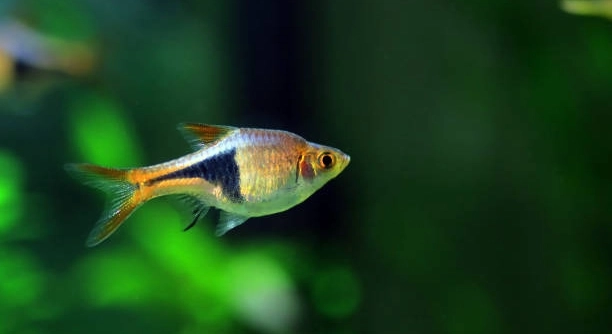
Are your peaceful Rasboras suddenly causing trouble in the tank, chasing tank mates, or nipping at fins without warning?
Aggressive behavior in Rasboras is often triggered by stress, overcrowding, or poor tank conditions. Maintaining stable water parameters, providing adequate space, and creating hiding spots can significantly reduce aggression and restore harmony within the aquarium.
Understanding why your Rasbora is acting out can make a big difference in keeping your tank calm and balanced.
Why Rasboras Become Aggressive
Rasboras are usually peaceful, but certain conditions can cause them to act out. Overcrowding is a key issue—when too many fish share a small space, tensions rise. Limited hiding spots also stress them, especially if they feel unsafe. Male Rasboras may become territorial, especially during breeding periods or if the group lacks a proper ratio of males to females. Changes in water quality, like sudden spikes in ammonia or temperature shifts, can also affect their behavior. Aggression might appear as fin-nipping, chasing, or isolating tank mates. Watching their habits closely will help you catch signs early.
A Rasbora kept in an unstable environment may show signs of stress through nipping or chasing behavior, especially in poorly planned tanks.
Feeding them irregularly or providing the wrong type of food can also heighten tension in the group. Hungry fish are more reactive and may lash out at others nearby.
How to Calm Things Down
The first step is to check your tank’s size and stocking levels. Rasboras thrive in schools of six or more, but the tank must be large enough to support that. A 20-gallon tank is ideal for smaller species. Too few hiding spots can lead to constant visibility and stress, so add live plants, driftwood, or decorations that give cover. Monitor water parameters weekly to ensure ammonia, nitrite, and pH stay within safe ranges. Rearranging the tank can sometimes disrupt established territories, easing aggression. Feeding them on a consistent schedule with high-quality food helps too. Variety matters—include flakes, micro pellets, and occasional frozen options. Avoid placing them with overly aggressive or slow-moving tank mates. Keep males balanced with females if you suspect breeding-related behavior. Sometimes isolating a bully temporarily allows others to recover and rebalance the group dynamic. With a few changes, most Rasboras settle back into peaceful routines quickly.
Signs Your Rasbora Is Stressed or Aggressive
Look for signs like fin-nipping, sudden chasing, hiding more than usual, or darting quickly across the tank. Faded colors and lack of appetite are also early signs of stress. These behaviors often appear before full aggression starts.
Aggression in Rasboras usually starts with chasing others in the school. This can turn into frequent nipping, especially near the fins or tail. Some fish may isolate themselves to avoid conflict. If you notice one Rasbora doing most of the chasing, that’s likely the one causing stress. You might also see them guarding a certain spot or reacting strongly when others come close. Any injuries or ragged fins on other fish should be taken seriously and addressed quickly. These signs indicate it’s time to review tank conditions and behavior patterns.
Stress-related symptoms like pale coloring or erratic swimming are often tied to water quality or social imbalance. Regular observation helps catch problems before they get worse.
Adjusting Tank Conditions for Peace
Start by checking your water parameters using a reliable test kit. Even minor changes in ammonia or pH can stress Rasboras. Make sure you do partial water changes weekly, replacing 25–30% of the tank water. Keep the lighting calm—not too bright—and limit loud noises near the tank.
Spacing is just as important. For a peaceful tank, aim for at least one gallon per inch of fish. Add plants with broad leaves or fine stems to create separation and break up line of sight. Floating plants can soften light and offer more comfort. A balanced group of six or more Rasboras allows them to school naturally, which eases tension. If needed, rearrange décor to break up territories. Feeding small amounts twice a day helps prevent hunger-induced stress. Avoid sudden temperature changes—keep it steady around 75–80°F. Each change may seem small, but together, they build a stable and calm environment that supports better behavior.
Managing Bullies in the Group
If one Rasbora is consistently aggressive, isolate it for a few days using a tank divider. This helps reset social behavior. After reintroduction, the fish often reintegrates without continuing the bullying.
You can also try increasing the group size. More Rasboras help spread out aggressive behavior and reduce tension.
When to Consider Rehoming
If aggression continues despite tank adjustments, it may be time to rehome the aggressive fish. Long-term stress can lead to illness and injury in the group. Look for a tank with more space or better-matched tank mates. Sometimes a different environment is all the fish needs to settle down.
Avoiding Future Issues
Stick to one species of Rasbora per tank if space is limited. Mixing types can sometimes cause conflict.
FAQ
Why is only one Rasbora being aggressive?
It’s usually a dominance issue. One Rasbora may become territorial, especially in smaller groups or tanks with limited space. This behavior is more likely in males or during breeding periods. Increasing the school size and rearranging the tank can help reduce this behavior.
Do Rasboras need to be in groups?
Yes, Rasboras are schooling fish and feel safest in groups of six or more. Keeping them in smaller numbers often causes stress, which can lead to aggression or hiding. A larger group helps them interact naturally and keeps their behavior more balanced.
Can tank mates trigger aggressive behavior in Rasboras?
Yes, if they feel threatened or outcompeted for food. Avoid placing Rasboras with overly active, aggressive, or fin-nipping species. Peaceful community fish are better companions. Mismatched tank mates can stress them out and cause otherwise calm Rasboras to act out.
What should I do if all my Rasboras are acting aggressive?
Check the tank size, water quality, and food schedule first. Overcrowding and poor conditions are the most common reasons for group aggression. Also look at your tank layout—lack of hiding places and too much open space can increase stress levels.
How do I know if a Rasbora is stressed instead of aggressive?
Stressed Rasboras often have pale colors, stay in corners, or swim quickly with jerky movements. Aggressive fish will chase or nip at others. Stress usually comes from poor water quality, sudden changes, or social imbalance. Aggression is more about tank dynamics and territory.
Will aggression stop on its own?
Sometimes, but not always. If the cause—like an overcrowded tank or lack of structure—isn’t fixed, aggression may get worse. In some cases, the aggressive fish can harm others. It’s important to make changes early rather than waiting to see if it improves.
Is aggression more common in certain Rasbora species?
Yes, some species like Harlequin Rasboras are more peaceful, while others like Scissortail or Brilliant Rasboras can be more active and pushy. Research your specific species before buying, and try to match them with similar-sized, peaceful tank mates.
Can diet affect Rasbora behavior?
Yes, poor diet or irregular feeding can increase tension. Hungry fish are more reactive and may compete aggressively. Feed a balanced diet with flakes, micro pellets, and frozen foods like daphnia or bloodworms. Keep a consistent schedule—small portions twice a day work best.
How often should I monitor aggressive behavior?
Check on your Rasboras daily during feeding times. This is when most aggression is visible. Watching them regularly helps you spot early signs of trouble. If you see repeated chasing, nipping, or hiding, it’s time to reassess the tank conditions.
Should I separate the aggressive Rasbora permanently?
Not at first. Try temporary separation for a few days. Often, the fish will calm down after reintroduction. If aggression continues and causes harm, permanent rehoming may be necessary to protect the others and improve the overall tank environment.
Can lighting affect aggression in Rasboras?
Yes, overly bright lighting can increase stress and make Rasboras feel exposed. They prefer subdued lighting with shaded areas. Floating plants or adjustable lights can help create a more calming atmosphere and reduce aggressive behavior triggered by environmental discomfort.
Will adding more decorations help?
Yes, adding plants, rocks, or driftwood breaks up the line of sight and gives fish places to hide. This helps lower stress and prevents territorial disputes. A cluttered tank often feels safer to Rasboras than one that’s too open and bare.
Final Thoughts
Rasboras are peaceful by nature, but they can show signs of aggression if their environment isn’t right. Things like tank size, water quality, and group numbers all play a role in how they behave. When these basic needs aren’t met, even calm fish can start to act out. If you notice chasing, fin-nipping, or hiding, it’s worth taking a closer look at the tank setup. Small changes can often fix the problem. Rearranging décor, checking your filter, and staying on top of water changes all help create a more stable and peaceful space. Even something as simple as adding more plants or hiding spots can make a difference.
Aggression in Rasboras isn’t always about being dominant or territorial. Often, it comes down to stress. A tank that’s too small or too bright, irregular feeding times, or the presence of unsuitable tank mates can all increase stress levels. These stressors can push Rasboras into reacting in ways that seem aggressive but are really just signs of discomfort. It helps to think of aggression as a warning that something isn’t quite right. The good news is that Rasboras usually respond well when conditions improve. With enough space, stable water parameters, and the right group size, they return to schooling calmly and interacting without tension.
Keeping Rasboras happy means paying attention to their behavior and tank environment on a regular basis. Watching how they swim, eat, and react to one another will help you catch small problems before they turn into bigger ones. If you ever need to isolate a fish or rehome one that doesn’t fit, that’s okay. The goal is to create a peaceful tank where all the fish can thrive. Rasboras may be small, but their care still requires thought and balance. With a bit of patience and consistency, you can enjoy a healthy, stress-free tank where your Rasboras stay active, colorful, and calm.

Hello,
If you enjoy the content that we create, please consider saying a "Thank You!" by leaving a tip.
Every little bit helps us continue crafting quality advice that supports the health, happiness, and well-being of pets around the world, for pets of all shapes, sizes, and species.
We really appreciate the kindness and support that you show us!