
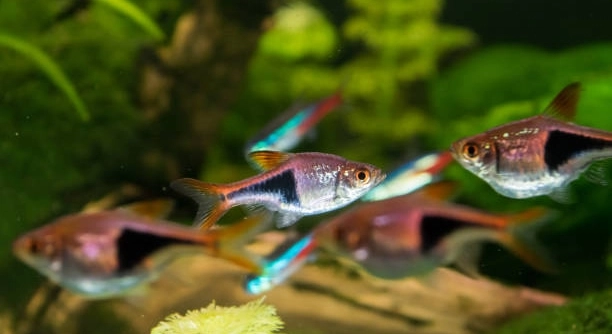
Rasboras are popular small fish that many aquarium owners enjoy keeping. They are peaceful and add color to community tanks. However, not all tank mates are good companions for them, and some can cause stress.
Certain fish species and tank mates can stress out rasboras by being aggressive, overly active, or competing for space and food. These stressful interactions can lead to health problems and behavioral changes in rasboras, making it important to choose compatible tank mates carefully.
Knowing which tank mates to avoid helps maintain a calm and healthy environment for your rasboras. This article will guide you through the seven common tank mates that can stress them out.
Aggressive Fish That Intimidate Rasboras
Aggressive fish can easily stress out rasboras by chasing or bullying them. Species like bettas, larger barbs, or cichlids tend to dominate the tank and disrupt the peaceful nature rasboras prefer. When rasboras feel threatened, they hide or stop eating, which can affect their health. It is important to avoid keeping rasboras with these aggressive species. A calm and balanced tank helps rasboras thrive. Their small size and gentle behavior make them easy targets for more dominant fish. Stress from aggressive tank mates can also cause color fading and weakened immune systems in rasboras. Choosing tank mates that share similar temperaments ensures a peaceful community. Observing the behavior of new fish before permanent introduction can prevent problems. Setting up plenty of plants and hiding spots gives rasboras safe areas to escape. This simple step lowers their stress levels and encourages natural swimming behavior. Maintaining water quality also supports their well-being when tank mates are peaceful.
Aggressive fish create stress for rasboras by causing constant threat and disruption, which negatively impacts their health and behavior.
Understanding which species are aggressive helps protect your rasboras from unnecessary stress and keeps your aquarium peaceful.
Fast and Overactive Tank Mates
Fast swimmers like danios or some tetras can overwhelm rasboras with constant movement and competition. These active fish often dart around quickly, which makes calmer rasboras nervous. Rasboras prefer moderate-paced tank mates that don’t disturb their rhythm. Overactive fish also compete aggressively for food, making it hard for rasboras to get enough nutrition. This can lead to poor growth or weakened health. When choosing tank mates, look for species that swim gently and share similar feeding habits. Observing the energy level of your fish can prevent stressful pairings. Overactive fish may not intend harm but still disrupt the peaceful environment rasboras need to feel safe. Providing enough space and hiding places can help reduce tension but doesn’t always solve the problem. If your rasboras seem stressed or hiding frequently, consider replacing fast swimmers with calmer species. Maintaining a balanced tank helps rasboras stay healthy and comfortable.
Fast, overactive fish can disturb rasboras by causing constant stress and food competition.
Choosing calm and moderate-paced tank mates improves the living conditions for your rasboras and supports their well-being.
Larger Fish That Outcompete Rasboras
Larger fish often outcompete rasboras for food and space, causing stress and weakening the smaller fish. These bigger tank mates can unintentionally bully rasboras by taking over prime swimming areas.
Because rasboras are small and peaceful, they struggle when sharing the tank with larger, more dominant fish. These bigger fish usually eat faster and more aggressively, leaving less food for the rasboras. The smaller fish may end up hiding more often or skipping meals, which harms their health. In addition to food competition, large fish can crowd the tank, reducing safe spaces for rasboras. This limits their natural swimming patterns and increases stress levels. It’s best to avoid pairing rasboras with much bigger fish to keep the tank balanced and comfortable for everyone.
Providing plenty of plants and decorations can give rasboras more hiding spots, but it won’t always solve the stress caused by size differences. Choosing tank mates closer in size is a better way to maintain peace.
Territorial Fish That Cause Stress
Territorial fish defend their space aggressively, often making rasboras feel threatened. This behavior leads to constant stress and hiding in rasboras, reducing their quality of life.
Territorial species, such as some cichlids or gouramis, claim areas of the tank and attack any fish that come close. Rasboras, being shy and peaceful, avoid confrontation but can’t always escape these aggressive behaviors. The ongoing stress from territorial tank mates can cause rasboras to lose their vibrant colors and stop schooling properly. Over time, this stress impacts their immune system, making them more prone to illness. It’s important to recognize which fish are territorial before adding them to a community tank. Providing large tanks with distinct territories may help, but rasboras usually do better with non-territorial species that share space calmly. Selecting compatible fish keeps the tank environment healthy and stress-free for rasboras.
Aggressive Fin Nippers
Fin nippers repeatedly bite or nip at the fins of rasboras, causing pain and stress. This behavior can lead to injury and poor health in the affected fish.
Common fin nippers include some barbs and tiger sharks, which are known for their restless and aggressive fin biting. Rasboras do not tolerate this well, often becoming shy and withdrawn as a result. The damage to their fins can also make swimming difficult and increase the risk of infections. Avoiding fin-nipping species helps maintain a peaceful and healthy tank for rasboras.
Large, Predatory Fish
Large predatory fish pose a direct threat to small rasboras. Their hunting instincts make them a constant source of stress.
Predatory species like oscars or arowanas see rasboras as prey rather than companions. This threat makes rasboras constantly alert and fearful, which harms their well-being. It is crucial to keep such predators out of community tanks with rasboras to ensure their safety and reduce stress.
Overcrowded Tanks
An overcrowded tank increases competition and stress for rasboras.
Too many fish reduce swimming space and hideouts, leading to constant tension and stress in rasboras.
FAQ
What are the signs that my rasboras are stressed?
Stressed rasboras often hide more than usual and may stop schooling. You might notice faded colors or clamped fins. They could also lose appetite or swim erratically. These signs usually show when tank conditions or tank mates are causing discomfort.
How can I reduce stress caused by tank mates?
Start by choosing calm, peaceful fish with similar sizes and temperaments. Avoid aggressive or very active species. Adding plenty of plants and decorations gives rasboras places to hide. Keep the tank clean and maintain stable water parameters to help rasboras feel secure.
Are there specific fish that are always bad tank mates for rasboras?
Yes, aggressive species like larger barbs, bettas, and many cichlids are often unsuitable. Fast swimmers such as danios can also stress rasboras. Predatory fish and fin nippers should be avoided because they harm or intimidate rasboras.
Can rasboras live well in a community tank?
Absolutely, as long as tank mates are carefully selected. Peaceful, small to medium-sized fish that share similar water needs work best. Providing enough space and hiding spots creates a comfortable environment for rasboras and their companions.
How much space do rasboras need to avoid stress?
Rasboras need enough room to swim freely and school together comfortably. A minimum of 10 gallons for a small group is recommended. Larger tanks reduce competition and tension among fish, lowering stress levels overall.
What should I do if I notice aggressive behavior in my tank?
If aggression appears, try to identify the aggressive fish and remove or separate it. Rearranging the tank decorations can disrupt territorial claims. Increasing hiding places helps the smaller fish feel safer. Monitoring behavior daily helps prevent prolonged stress.
Is water quality linked to stress in rasboras?
Yes, poor water quality stresses all fish, including rasboras. High ammonia, nitrite, or nitrate levels can weaken them, making them more vulnerable to stress from tank mates. Regular water changes and proper filtration keep water safe and stable.
How do I introduce new fish without stressing my rasboras?
Introduce new fish slowly and quarantine them first to prevent diseases. Add them during calm times and monitor interactions closely. Rearranging tank decor before adding new fish can reduce territorial behavior and ease tensions.
Can stress cause illness in rasboras?
Stress weakens the immune system, making rasboras more prone to infections like ich or fin rot. Early detection of stress and quick action can prevent health problems from developing.
Are there peaceful fish that are good tank mates for rasboras?
Yes, species like neon tetras, Corydoras catfish, and some peaceful rasbora types are great companions. These fish share a calm nature and similar water requirements, creating a balanced and low-stress environment.
Choosing the right tank mates for your rasboras is very important to keep them healthy and happy. Rasboras are peaceful, small fish that do best in calm and balanced tanks. If they live with aggressive or overly active fish, they can get stressed easily. Stress can make them hide, lose color, or even get sick. By picking gentle and similar-sized tank mates, you give rasboras a better chance to thrive. It also helps to create plenty of hiding spots and keep the tank clean and well-maintained. This simple care makes a big difference in their overall well-being.
Avoiding certain fish that stress out rasboras is key. Aggressive species, large fish, fast swimmers, and fin nippers often cause problems. These fish can chase, bully, or compete too much for food and space, which makes rasboras anxious. Territorial fish that defend parts of the tank aggressively also increase stress levels. It is best to choose calm, peaceful fish that share similar needs and behavior. Watching how your fish interact and making changes quickly if problems arise helps keep the tank peaceful. This way, rasboras can swim freely and enjoy their environment without fear.
Taking care of rasboras means understanding their natural behavior and needs. Providing enough space, clean water, and compatible tank mates supports their health. Stress in fish is not always easy to see at first, but signs like hiding or fading colors should not be ignored. When rasboras are comfortable, they show brighter colors, swim actively, and school nicely. Giving them the right companions and environment helps them live longer and happier lives. Remember, a peaceful aquarium benefits all fish, so making thoughtful choices about tank mates is worth the effort.

Hello,
If you enjoy the content that we create, please consider saying a "Thank You!" by leaving a tip.
Every little bit helps us continue crafting quality advice that supports the health, happiness, and well-being of pets around the world, for pets of all shapes, sizes, and species.
We really appreciate the kindness and support that you show us!