
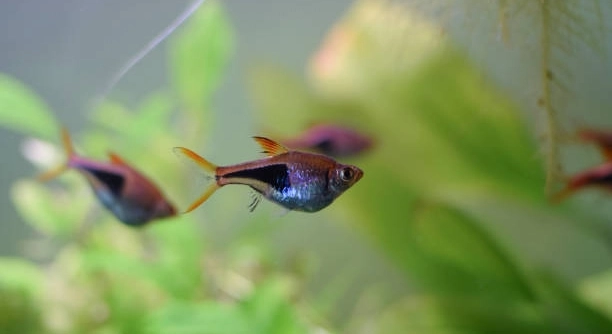
Do you have a Rasbora or are thinking about adding one to your aquarium? Rasboras are popular small fish known for their peaceful nature and shimmering colors. Many fishkeepers wonder if these fish prefer to live alone or with other tank mates.
Rasboras are social fish that thrive best in groups. Keeping them with compatible tank mates is important for their well-being, as they feel more secure and active when surrounded by others rather than living in solitude.
Learning about their social needs will help you create a healthy environment for your Rasbora and keep your aquarium lively and balanced.
Why Rasboras Prefer Company
Rasboras are schooling fish, meaning they naturally swim in groups. In the wild, they stick together for safety and social interaction. When kept alone in an aquarium, they often become stressed and shy. This stress can lead to weakened immune systems and make them more prone to illness. When they have tank mates or others of their kind, Rasboras feel more secure. They swim more actively and show natural behaviors, making them more enjoyable to watch. Providing a group of at least six Rasboras helps them stay confident and reduces hiding or lethargy. Besides their own species, Rasboras do well with peaceful fish that won’t chase or bully them. Avoid keeping them with large or aggressive fish, as this causes tension. A calm community tank suits Rasboras best, allowing them to thrive and display their beautiful colors fully.
Rasboras need at least five to six companions to feel comfortable and active in a tank.
Keeping Rasboras in groups improves their health and activity. Without companions, they hide more and may stop eating properly. Group living encourages natural behaviors like schooling and exploring the tank. This makes a tank more lively and pleasant for both the fish and the keeper. It’s important to select peaceful tank mates to avoid stress or harm to the Rasboras. Small tetras, danios, or Corydoras catfish are good companions. Setting up a tank with hiding spots and plants also helps reduce stress. Rasboras are social fish, and their well-being depends heavily on their environment and companions.
Choosing the Right Tank Mates for Rasboras
Not all fish are suitable companions for Rasboras.
Rasboras do best with other peaceful species that share similar water conditions and size. Fast or aggressive fish may intimidate them. Good tank mates include small tetras, rasboras of different species, danios, and bottom dwellers like Corydoras catfish. Avoid large cichlids, barbs, or any fish known to nip fins. Also, ensure the tank is large enough to give all fish adequate space. A well-planted tank with plenty of hiding places helps reduce stress and allows each species to have its own territory. Compatibility in temperament, size, and water requirements is key to a peaceful aquarium where Rasboras can thrive. Balancing these factors creates a harmonious environment that supports healthy, active fish.
Signs Rasboras Are Happier in Groups
Rasboras swimming closely together show they feel safe and comfortable.
When Rasboras are kept in groups, you’ll notice they swim in coordinated schools, moving smoothly around the tank. They explore more and interact with each other, which shows they are relaxed. If they hide often or stay still near the tank bottom, it might be a sign they feel lonely or stressed. Healthy Rasboras display bright colors and active behavior. These signs indicate that keeping them in groups helps maintain their well-being. Group dynamics bring out their natural, lively nature.
Rasboras in groups often chase small food particles more eagerly. This natural schooling behavior helps them feed better. It also reduces stress, which can prevent diseases common to solitary or stressed fish. A lively group encourages more movement and natural behaviors, creating a balanced aquarium ecosystem. If you see your Rasboras swimming apart or hiding, consider increasing their group size or adding peaceful companions.
Maintaining Peace in a Community Tank
Aggression can disrupt the harmony Rasboras need to thrive.
To maintain peace, avoid aggressive or overly active fish that may stress Rasboras. Small, calm species that occupy different tank levels are ideal. For example, bottom-dwelling fish don’t compete for the same space as mid-water Rasboras. Regular monitoring of fish behavior is important to catch early signs of bullying or stress. Providing plenty of plants and hiding places helps all fish feel secure, reducing conflicts. Proper feeding routines also prevent competition and aggression. A peaceful tank supports the natural social habits of Rasboras, allowing them to flourish.
Feeding Rasboras in Groups
Feeding Rasboras together encourages natural foraging behavior.
When fed in groups, Rasboras are more active and competitive, which keeps them healthy. Offering small, frequent feedings helps ensure all fish get enough food without aggression. Use floating or sinking pellets suitable for small fish.
Tank Setup Tips for Rasboras
A well-planted tank with open swimming areas suits Rasboras best. Provide plenty of hiding spots using plants or decorations to reduce stress. Soft lighting and stable water conditions also help maintain their health and natural behavior.
Rasboras and Solitude
Rasboras do not thrive well when kept alone. They tend to become shy, stop eating well, and lose color without companions. Their social nature makes group living essential for their happiness.
FAQ
How many Rasboras should I keep together?
Rasboras should be kept in groups of at least six to feel comfortable. Smaller groups can cause stress and make them hide more. A group of six or more encourages natural schooling and social behavior, which keeps them active and healthy. Larger groups are even better if your tank size allows it.
Can Rasboras live alone?
Rasboras can survive alone but often become stressed, shy, and less active. Without companions, they may lose their bright colors and reduce feeding. They are social fish by nature, so solitude usually leads to poor health and behavior problems.
What tank mates are best for Rasboras?
Good tank mates include small, peaceful fish like tetras, danios, and Corydoras catfish. These species share similar water needs and won’t bully Rasboras. Avoid aggressive or large fish that may chase or harm them. Compatibility is key for a peaceful tank.
How do I prevent aggression in a Rasbora tank?
Avoid mixing Rasboras with aggressive or territorial species. Provide plenty of plants and hiding places for all fish. Feeding multiple times a day with small amounts helps reduce competition. Watch fish behavior regularly and separate any aggressive individuals early.
What water conditions do Rasboras prefer?
Rasboras thrive in soft, slightly acidic to neutral water (pH 6.0–7.5). Temperatures should be between 72°F and 80°F (22°C–27°C). Keeping stable water parameters helps prevent stress and illness. Regular water changes and good filtration are important.
How do I feed Rasboras properly?
Feed small flakes, pellets, or frozen/live foods like brine shrimp and daphnia. Feed two to three times daily in small amounts they can finish in a few minutes. Overfeeding can pollute the tank and harm fish health. Varied diets improve their color and vitality.
Can Rasboras breed in a community tank?
Rasboras can breed in community tanks if conditions are right, but eggs and fry may be eaten by other fish. A separate breeding tank with fine-leaved plants or spawning mops is better for raising fry safely.
What signs show Rasboras are stressed?
Stress signs include hiding, clamped fins, faded colors, reduced appetite, and erratic swimming. These signs often result from poor water quality, lack of companions, or aggressive tank mates. Addressing these factors quickly helps prevent illness.
Is it okay to mix different Rasbora species?
Mixing similar Rasbora species is generally fine if they share similar size and temperament. However, avoid mixing species with very different behaviors or sizes to prevent bullying or stress. Keep groups balanced to maintain harmony.
How big of a tank do Rasboras need?
A minimum tank size of 20 gallons is recommended for a small group of Rasboras. Larger tanks provide more swimming space and help maintain stable water conditions. More space reduces stress and supports healthy social interactions.
Rasboras are naturally social fish that do best when kept with others of their kind or peaceful tank mates. Keeping them alone can cause stress and unhealthy behaviors. When they are in groups, Rasboras swim actively, display brighter colors, and show more natural behaviors. This makes them more interesting to watch and helps them stay healthy. A group of at least six is usually needed for them to feel secure and comfortable in an aquarium.
Choosing the right tank mates is just as important as having enough Rasboras in the group. Peaceful fish with similar water needs work well together. Avoiding aggressive or much larger fish is key to maintaining a calm environment. Adding plants and hiding spots in the tank can help reduce stress for all fish. Proper feeding and good water conditions also support their well-being. When all these factors come together, Rasboras can thrive and live longer in a home aquarium.
Keeping Rasboras happy means understanding their social nature and needs. They are not suited for solitude and rely on group living for comfort and security. By providing the right companions, a suitable tank setup, and good care, you create an environment where Rasboras can show their best qualities. Their peaceful and active nature can bring life to any aquarium when their social needs are met. This knowledge will help any fishkeeper care for Rasboras in the best way possible.

Hello,
If you enjoy the content that we create, please consider saying a "Thank You!" by leaving a tip.
Every little bit helps us continue crafting quality advice that supports the health, happiness, and well-being of pets around the world, for pets of all shapes, sizes, and species.
We really appreciate the kindness and support that you show us!