
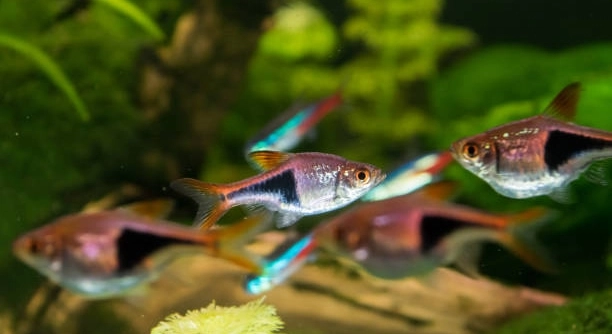
Do you ever watch your Rasbora fish and wonder about their sleeping habits? These small, colorful fish are popular in home aquariums. Many owners notice their eyes seem to stay open even when resting.
Rasboras do not fully close their eyes when they sleep. Like most fish, they lack eyelids, so their eyes remain open at all times. Their rest is shown by reduced movement and calmer behavior, not by shutting their eyes.
Learning about how Rasboras sleep can help you better understand their behavior and needs in your aquarium. This insight improves their care and helps create a comfortable environment for them.
Why Rasboras Keep Their Eyes Open
Rasboras, like many other fish, do not have eyelids, which means they cannot close their eyes. This is common among fish because eyelids would interfere with their ability to see underwater. Instead, they rely on other signs to rest. When Rasboras sleep, their movements slow down, and they often hover in one spot or find a quiet corner of the tank. Even though their eyes stay open, their brain and body enter a restful state. This resting behavior helps them stay alert to any potential danger, which is important for survival in the wild. In an aquarium, this natural instinct remains, so they don’t close their eyes but still get the rest they need.
Because their eyes remain open, it can be easy to mistake resting Rasboras for being awake or active, but their stillness is a clear sign of sleep.
Understanding this behavior can help aquarium owners recognize when their fish are resting and when they may be stressed or unwell.
How to Create a Restful Environment for Rasboras
Rasboras need a calm and safe environment to rest well. Low light during nighttime helps signal when it’s time to sleep. Dim or turn off aquarium lights at night to mimic natural conditions. Keep tank noise and vibrations minimal because sudden disturbances can startle resting fish.
A tank with plenty of plants or hiding spots offers Rasboras places to feel secure. Floating plants or fine-leaved vegetation can create shaded areas where they often rest. Regular water changes and stable water conditions support their health, making rest more effective. Watching for normal resting patterns can also help spot any signs of illness early.
By providing a peaceful environment, you ensure your Rasboras get the quality rest they need to stay healthy and active during the day.
Signs That Rasboras Are Resting
Rasboras show rest by slowing their movements and staying mostly still. Their fins may flutter gently, and they often hover near plants or tank decorations.
Resting Rasboras reduce their activity to conserve energy. They remain alert but calm, often choosing shaded or hidden spots. This behavior helps them feel safe while resting. Even with open eyes, they are not actively swimming or feeding during these moments.
It’s important to notice these subtle signs because they indicate your fish are comfortable. If your Rasboras stop resting or appear restless, it might mean something is wrong. Observing these patterns daily helps you maintain their health and well-being.
Common Misunderstandings About Fish Sleep
Many people think fish close their eyes to sleep like mammals, but this is not true for Rasboras. Their eyes stay open because they lack eyelids. This often confuses fish owners.
Another misunderstanding is that fish need total darkness to rest. While darkness helps, Rasboras can rest in low light or shaded areas. They rely more on environmental cues than complete darkness to know when to rest.
Some may think resting fish are sick because they are still, but stillness is normal during sleep. Knowing these facts prevents unnecessary worry about your Rasboras’ health.
How Often Do Rasboras Sleep?
Rasboras follow a daily rest cycle, usually resting at night. Their activity decreases as light dims, signaling time to slow down.
Their sleep periods are short compared to mammals but enough to restore energy. Regular rest is vital for their health and behavior.
Effects of Poor Rest on Rasboras
Lack of proper rest can cause stress and weaken Rasboras’ immune systems. They may become less active or show unusual behavior if their environment is too noisy or bright. Over time, poor rest can lead to illness or reduced lifespan.
Providing a quiet, dim area in the tank supports better rest and overall health.
Tips for Monitoring Rasbora Sleep
Watch for reduced movement and quiet behavior during night hours. A calm fish resting in shaded areas is normal.
Avoid sudden changes in lighting or noise that may disturb their rest.
Do Rasboras really sleep?
Yes, Rasboras do sleep, but their sleep looks different from that of land animals. Since they don’t have eyelids, their eyes stay open even when they rest. Their sleep is more about slowing down their body functions and reducing movement. During this time, they stay still or hover gently in one spot, often in shaded or quiet parts of the tank. This restful state helps them conserve energy and stay alert to their surroundings.
How can I tell if my Rasbora is sleeping?
Because their eyes never close, it can be tricky to know if Rasboras are sleeping. The best way to tell is by observing their behavior. When sleeping, Rasboras will move less, sometimes remaining almost motionless, and they will often find a calm spot near plants or decorations. Their breathing may slow slightly, and their fins will flutter gently or stay still. If you see them actively swimming, eating, or responding quickly to changes, they are awake.
Do Rasboras need complete darkness to sleep?
Rasboras don’t require total darkness to rest. While dim lighting or natural day-night cycles help signal when to rest, they can also sleep in low light or shaded areas of the tank. They respond more to consistent environmental cues than to absolute darkness. It’s helpful to turn off aquarium lights at night or use a timer to create a regular light cycle. This routine supports their natural rest patterns.
Can Rasboras sleep during the day?
Rasboras are generally more active during daylight hours and tend to rest at night. However, if they feel stressed, sick, or uncomfortable, they might rest more during the day. This daytime resting is not their usual pattern and could be a sign that something in their environment is wrong. Observing changes in their activity can help you spot potential health issues early.
Why do my Rasboras sometimes stay very still for long periods?
Extended stillness in Rasboras is usually a sign they are resting or sleeping. It’s normal for them to find a quiet place and remain still to conserve energy. However, if this behavior is combined with other symptoms like loss of appetite, discoloration, or difficulty swimming, it could indicate illness or stress. Always check water quality and tank conditions if you notice unusual stillness.
Do Rasboras need a special environment to sleep well?
A calm environment helps Rasboras get proper rest. They prefer tanks with plants, hiding spots, and gentle lighting to feel secure. Too much noise, sudden movements, or bright lights can disturb their rest. Maintaining stable water temperature and quality also supports their health and sleep quality. Setting up your tank to mimic their natural habitat will encourage natural resting behavior.
Can Rasboras sleep while swimming?
Rasboras do not fully sleep while swimming but can enter a restful state with reduced movement and slower swimming. They might hover gently in place while resting. This behavior allows them to stay alert to danger while conserving energy. Watching for slower, less purposeful swimming is a good indicator of rest.
What happens if Rasboras don’t get enough rest?
Lack of rest can stress Rasboras, weakening their immune system and making them prone to disease. They may become lethargic, lose appetite, or show signs of irritation. Consistent rest is important for their growth and general well-being. If your Rasboras seem restless or active at night, review tank conditions and lighting to ensure they have a quiet, dark place to rest.
Is it harmful that Rasboras keep their eyes open all the time?
It is natural and harmless for Rasboras to keep their eyes open. Unlike mammals, fish do not have eyelids, so their eyes are always exposed. Their eyes are adapted to underwater life, and open eyes help them detect movement and potential threats. This feature does not affect their ability to rest or sleep.
How long do Rasboras typically rest each day?
Rasboras usually rest during the night, following a day-night cycle similar to their natural environment. They may rest for several hours, often in shorter periods rather than one long sleep like humans. Their sleep patterns can vary depending on tank conditions, lighting, and overall health. Maintaining a regular light schedule helps support consistent rest.
Should I turn off the aquarium light at night for my Rasboras?
Turning off the aquarium light at night is beneficial for Rasboras. It helps create a natural day-night cycle that signals when to rest. Using a timer can make this process easier and more consistent. Avoid sudden or bright lights during their resting period, as this can cause stress and disrupt their sleep patterns. A dim or dark tank encourages healthier behavior.
Can Rasboras get tired?
Yes, like all animals, Rasboras can get tired and need rest to recover energy. Their activity during the day, including swimming and feeding, requires energy that must be replenished. Rest periods help their bodies repair and maintain good health. Proper tank conditions and a good diet also support their energy levels.
Are there signs that show poor sleep in Rasboras?
Signs of poor sleep include increased restlessness, lack of normal stillness, constant swimming without rest, or hiding too much. Other symptoms like loss of appetite, dull coloration, or unusual behavior may appear if poor sleep continues. These signs often indicate stress or unsuitable tank conditions. Monitoring these behaviors can help you address issues early.
Can I disturb Rasboras when they are resting?
It’s best to avoid disturbing Rasboras during their rest periods. Sudden movements, tapping on the tank, or turning lights on abruptly can startle them and disrupt their sleep. Repeated disturbances can lead to stress and health problems. Try to keep the aquarium environment calm, especially during night hours.
Do all Rasbora species behave the same when resting?
Most Rasbora species have similar resting behaviors due to their biology, such as keeping eyes open and reducing movement. However, some species may have slight differences in preferred resting spots or activity levels. Understanding your specific Rasbora species helps provide the best care and environment tailored to their habits.
Rasboras are fascinating little fish with unique habits, especially when it comes to resting and sleeping. One of the most interesting things about them is that they do not close their eyes like people or many land animals. This is because fish, including Rasboras, do not have eyelids. Even when they are resting or sleeping, their eyes remain open. Instead of closing their eyes, Rasboras slow down their movements and find quiet, safe places in the tank to rest. This resting time is important for their health and helps them regain energy for their active swimming during the day.
It’s normal for Rasboras to keep their eyes open while resting, so it can sometimes be confusing for people who are used to animals closing their eyes when they sleep. Watching their behavior is the best way to tell if they are resting. When Rasboras are calm, barely moving, and hovering near plants or tank decorations, they are likely taking a rest. Creating a peaceful environment with low light at night and plenty of hiding spots encourages healthy rest. Avoiding loud noises and sudden movements near the tank can also help them feel safe and comfortable, which improves the quality of their rest.
Understanding the resting habits of Rasboras is helpful for anyone who keeps them in an aquarium. Knowing that their eyes stay open even when sleeping removes worries about whether they are okay during quiet moments. Providing a proper environment and paying attention to their behavior supports their health and happiness. By learning these simple facts, you can care for Rasboras better and enjoy watching their calm, gentle nature. Their unique way of resting is just one of the many interesting things about these beautiful fish.

Hello,
If you enjoy the content that we create, please consider saying a "Thank You!" by leaving a tip.
Every little bit helps us continue crafting quality advice that supports the health, happiness, and well-being of pets around the world, for pets of all shapes, sizes, and species.
We really appreciate the kindness and support that you show us!