
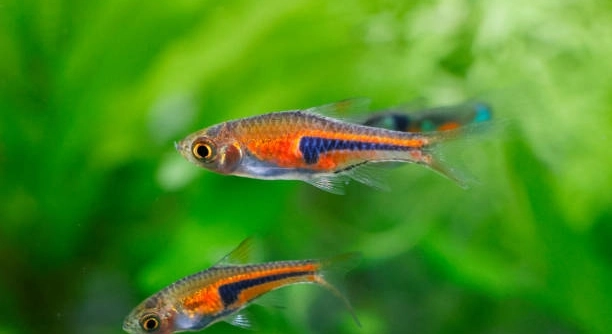
Many aquarium enthusiasts enjoy adding plants to their tanks to create a natural environment for their fish. Floating plants are often chosen for their ease of care and the shelter they provide. Rasboras are popular small fish that bring life and color to freshwater tanks.
Rasboras generally appreciate floating plants as these provide cover and reduce stress by mimicking their natural habitat. Floating plants also help maintain water quality and offer hiding spots, which support the fish’s well-being and natural behavior.
Floating plants add more than just beauty to your aquarium setup. They contribute to a balanced environment that benefits Rasboras in subtle but important ways.
Benefits of Floating Plants for Rasboras
Floating plants create a more natural and comfortable space for Rasboras by providing shade and shelter. These plants reduce the amount of direct light entering the tank, which helps Rasboras feel less exposed and stressed. The shade mimics their natural environment, where they often stay under leaves or near water surfaces. Floating plants also encourage Rasboras to explore different levels of the tank, promoting more natural swimming behaviors. Additionally, floating plants help improve water quality by absorbing excess nutrients, reducing algae growth, and increasing oxygen levels during the day. This creates a healthier environment for Rasboras and other tank inhabitants. Their roots hang down into the water, offering places for small insects or microorganisms to live, which can be a natural food source for the fish. Overall, floating plants contribute to a balanced, stable tank that supports Rasbora health and activity.
Besides shade, floating plants help keep water conditions more stable, which is important for Rasboras.
Floating plants can reduce sudden changes in temperature and light, which prevents stress. They also create microhabitats where Rasboras feel safe and can hide if needed. This lowers aggression and promotes peaceful interactions. Moreover, these plants can act as a natural filter by trapping debris and absorbing nutrients, which reduces waste buildup. Their presence encourages a more active, curious fish, making the tank livelier and more enjoyable to watch. Floating plants provide both functional benefits and aesthetic appeal, improving the overall tank environment for Rasboras.
Choosing the Right Floating Plants
Not all floating plants are equally suited for a Rasbora tank. It’s important to pick plants that do not grow too quickly or cover the entire water surface, as this can reduce oxygen levels and block too much light. Popular choices include duckweed, water lettuce, and frogbit, which grow moderately and provide good coverage without overwhelming the tank. These plants have fine roots that hang into the water, which Rasboras can swim through easily. Avoid plants with sharp edges or thick leaves that might harm the fish. It’s also important to consider the tank size and filtration system when adding floating plants to ensure the water flow is not blocked. Maintaining a balance between plant growth and fish needs creates a better habitat for Rasboras to thrive. Regular trimming of floating plants helps keep the tank healthy and visually appealing.
Maintaining Floating Plants in a Rasbora Tank
Floating plants need regular care to stay healthy and beneficial. They require appropriate lighting, moderate nutrients, and occasional trimming to prevent overcrowding. Removing dead or decaying leaves helps keep water quality high and avoids extra waste buildup.
Proper lighting is crucial for floating plants to thrive but should not be too intense, as excessive light can promote algae growth. Nutrient levels must be balanced, often supported by fish waste, but sometimes additional fertilization is needed. Regularly trimming floating plants controls their spread, preventing them from blocking too much light or reducing oxygen exchange at the water’s surface. Removing decayed leaves and debris prevents water contamination, which supports both plant health and Rasbora wellbeing. Keeping the plants in good condition ensures they continue to provide shelter and maintain tank balance.
Cleaning floating plants is gentle work. Rinsing plants in dechlorinated water removes dirt and small pests without harming them. Avoid harsh chemicals or excessive handling. Consistent maintenance keeps plants robust, enhancing the tank environment. Observing plant health daily allows early detection of issues like yellowing leaves or slow growth, which can be addressed promptly. Healthy floating plants contribute to clearer water and a more stable habitat for Rasboras.
Potential Drawbacks of Floating Plants
Floating plants can sometimes cause issues if not managed properly. Overgrowth may limit light penetration, affecting submerged plants and altering the tank’s ecosystem. Dense plant mats can also reduce oxygen levels at night, which is critical for fish health.
If floating plants cover too much surface area, the lack of light may stunt the growth of other aquatic plants and disrupt natural tank dynamics. Reduced oxygen at night results from plants consuming oxygen after photosynthesis stops, which can stress Rasboras and other fish. Regular monitoring and trimming help prevent these problems by keeping plant coverage balanced. In some cases, removing excess plants or thinning out dense areas is necessary to maintain water quality and ensure sufficient oxygen levels for fish survival and activity.
Impact of Floating Plants on Water Quality
Floating plants help improve water quality by absorbing excess nutrients, which reduces algae growth. Their roots also provide surfaces for beneficial bacteria to colonize, aiding in breaking down waste products. This contributes to a cleaner, healthier tank environment.
However, if not managed well, decaying plant matter can increase organic waste and lower water quality. Regular maintenance is key to preventing these issues.
Feeding Behavior of Rasboras Around Floating Plants
Rasboras often feed near floating plants, where small insects and microorganisms gather. The plants’ roots create hiding spots for these natural food sources, encouraging natural foraging behavior. This interaction benefits their diet and overall activity.
Light Conditions and Floating Plants
Floating plants filter light, softening it in the tank. This creates a comfortable environment for Rasboras, which prefer moderate lighting over bright, direct light.
Tank Size Considerations
Smaller tanks may struggle to support extensive floating plant growth without affecting oxygen and light levels.
FAQ
Do Rasboras need floating plants to survive?
Rasboras do not strictly need floating plants to live, but these plants help create a more natural and comfortable environment. Floating plants provide shade and hiding spots that reduce stress. They also improve water quality by absorbing nutrients and limiting algae growth. While Rasboras can survive without them, having floating plants supports their health and natural behavior.
Can floating plants harm Rasboras?
Floating plants are generally safe for Rasboras when properly maintained. However, if the plants cover the entire water surface, they can block too much light and reduce oxygen levels, especially at night. This can cause stress or harm to the fish. It’s important to regularly trim floating plants and prevent overgrowth to keep a healthy balance.
Which floating plants are best for Rasbora tanks?
Duckweed, water lettuce, and frogbit are good floating plants for Rasbora tanks. They provide adequate cover without growing too fast or blocking too much light. These plants have soft roots that won’t harm Rasboras, and their moderate growth helps maintain tank balance. Avoid sharp or dense plants that could injure the fish or limit swimming space.
How do floating plants affect tank maintenance?
Floating plants require regular care like trimming, removing dead leaves, and monitoring growth. If left unchecked, they can overgrow and affect light and oxygen levels. Maintaining them involves balancing light, nutrients, and tank size. Proper plant care reduces waste buildup and keeps water quality high, which benefits both plants and fish.
Can Rasboras eat floating plants?
Rasboras are primarily micropredators that feed on small insects and zooplankton, not plants. They might nibble on soft roots or decaying leaves occasionally, but floating plants are not their main food source. Healthy floating plants remain mostly untouched, providing shelter rather than nutrition.
Will floating plants reduce algae growth?
Yes, floating plants compete with algae for nutrients and light, helping to reduce algae blooms. Their roots absorb excess nutrients from the water, which algae need to grow. By shading the water, floating plants also limit light available to algae. This natural control helps keep the tank cleaner and clearer.
How often should floating plants be trimmed?
Trimming depends on growth rate, which varies by species and tank conditions. Typically, trimming every 1 to 2 weeks prevents overcrowding. Regular trimming ensures plants don’t block light or reduce oxygen levels too much. Removing old or dying leaves during trimming helps keep water quality stable.
Do floating plants provide oxygen for Rasboras?
During daylight, floating plants produce oxygen through photosynthesis, contributing to tank oxygen levels. However, at night they consume oxygen, which can lower levels if plant coverage is too dense. Balanced plant growth and good aeration ensure Rasboras have enough oxygen around the clock.
Can floating plants survive in all tank types?
Floating plants can thrive in most freshwater tanks if light and nutrient levels are suitable. However, tanks with strong water flow or very small tanks may not be ideal. Strong currents can uproot or damage plants, and small tanks might experience rapid changes in water quality due to plant growth. Choose plants suited to your tank conditions.
How do floating plants affect fish behavior?
Floating plants create shaded areas and hiding spots, which help Rasboras feel safe and less stressed. This encourages natural swimming and schooling behaviors. The presence of plants can reduce aggression by providing territories and reducing direct exposure. Fish tend to be more active and display natural habits in planted tanks.
Are floating plants compatible with other tank inhabitants?
Floating plants usually coexist well with most peaceful fish and invertebrates. Some species may eat or uproot the plants, so it depends on the tank’s community. In general, floating plants benefit many species by improving water quality and providing shelter. Monitor interactions to ensure compatibility.
What should I do if floating plants cover too much of the tank?
If plants cover too much surface, trim them back to restore light and oxygen exchange. Removing excess plants prevents problems with water quality and fish health. Use a net or scissors to carefully reduce coverage, and maintain a regular trimming schedule to avoid recurrence. Balance is key for a healthy aquarium.
Can floating plants grow without soil?
Yes, floating plants do not need soil because they absorb nutrients directly from the water. This makes them easy to care for and useful in planted or bare-bottom tanks. Nutrient levels should be adequate, either from fish waste or added fertilizers, to support healthy growth.
Is it necessary to fertilize floating plants?
Fertilization depends on the tank setup. In tanks with many fish, waste often provides enough nutrients. In lightly stocked or filtered tanks, adding liquid fertilizers can support healthy plant growth. Over-fertilizing should be avoided to prevent algae blooms. Monitoring plant health helps determine fertilization needs.
How do I prevent floating plants from clogging filters?
To keep floating plants from blocking filters, position plants away from intakes and use a guard or sponge pre-filter if needed. Regular trimming also prevents excessive plant material from entering the filter. Proper placement and maintenance reduce filter clogging and maintain good water flow.
Can floating plants help control nitrates?
Yes, floating plants absorb nitrates as part of their nutrient intake, helping reduce these compounds in the water. Lower nitrate levels improve water quality and fish health. Using floating plants along with regular water changes supports a balanced aquarium ecosystem.
Floating plants can be a valuable addition to a Rasbora aquarium. They provide natural shade and hiding spots, which help the fish feel more secure. This mimics their natural habitat where they often swim under leaves or near the water surface. Floating plants also improve the tank’s overall health by absorbing excess nutrients and reducing algae growth. Their roots hanging in the water offer a place for small organisms to live, which can become a natural food source for Rasboras. Adding these plants creates a balanced and stable environment that supports the fish’s wellbeing.
It is important to care for floating plants properly to keep them healthy and beneficial. Regular trimming prevents the plants from overgrowing and blocking too much light or reducing oxygen levels. Removing dead or decaying leaves helps maintain good water quality and prevents extra waste buildup. The right balance of light and nutrients allows the plants to thrive without encouraging algae or harming the fish. Choosing suitable floating plants, such as duckweed or frogbit, ensures they grow moderately and do not overwhelm the tank. Consistent maintenance helps keep both plants and Rasboras happy and healthy.
Although floating plants offer many benefits, they require attention to avoid potential issues. If allowed to grow unchecked, they can cover the entire water surface and limit light for other plants or fish. This can also reduce oxygen levels at night, which can stress Rasboras. Monitoring plant growth and adjusting care as needed is necessary to maintain a balanced tank. With proper management, floating plants enhance the beauty and health of the aquarium. They provide comfort and shelter for Rasboras while contributing to a cleaner, more natural aquatic environment.

Hello,
If you enjoy the content that we create, please consider saying a "Thank You!" by leaving a tip.
Every little bit helps us continue crafting quality advice that supports the health, happiness, and well-being of pets around the world, for pets of all shapes, sizes, and species.
We really appreciate the kindness and support that you show us!