
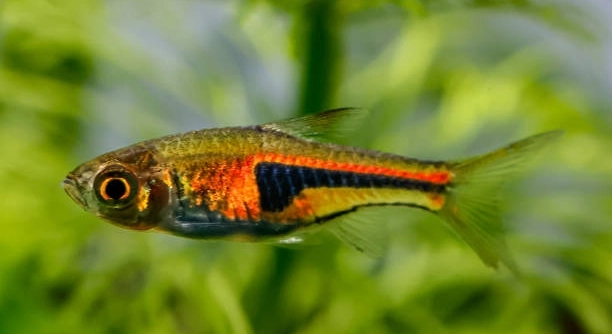
Are your rasbora looking pale in the morning? Many aquarium owners notice this change in color first thing, which can be concerning. Understanding why this happens helps maintain a healthy and vibrant fish environment for your pets.
Rasbora often appear pale in the morning due to lower light levels and reduced activity during the night. This temporary change in coloration is a natural response to rest and environmental conditions, not necessarily a sign of illness or poor water quality.
Knowing the reasons behind this morning paleness will help you care for your rasbora with confidence. The article explains what to watch for and how to keep your fish healthy every day.
Causes of Pale Color in Rasbora Mornings
Rasbora often show paler colors in the early hours because they are adjusting to the lighting and temperature changes in their tank. During the night, lower light levels cause their colors to fade as a natural response. This fading is temporary and usually reverses once the tank lights come on. Stress can also cause color changes, but it is important to look for other signs like hiding or loss of appetite. Water quality is another factor to consider. Poor water conditions can weaken the fish and dull their colors over time. Regular testing and maintenance help keep the tank environment stable, which supports healthy coloration. Feeding habits may also play a role. Well-nourished fish tend to have brighter colors. Lastly, genetics and age can affect how vivid a rasbora’s colors appear. Some individuals naturally have softer tones, while older fish might lose some brightness.
Lighting changes play a big role in morning paleness, usually causing no harm.
Being aware of these causes helps in maintaining a healthy environment. Proper care and attention ensure that your rasbora regain their vibrant colors soon after morning. Regular observation helps detect if paleness turns into a sign of illness. Keeping water conditions steady, providing a balanced diet, and adjusting tank lighting can improve overall fish health. These steps support your rasbora’s natural rhythms and color expression, making your aquarium a lively and beautiful space.
How to Improve Rasbora Color
Maintaining consistent lighting and water quality supports vibrant rasbora coloration.
Adjust your tank’s lighting schedule to mimic natural daylight patterns. Using a timer helps keep lights on and off at regular times, avoiding sudden changes that stress fish. Ensure the light is bright enough but not too harsh. This balance encourages your rasbora to show their natural colors fully. Regular water changes remove toxins and maintain proper chemical balance. Testing water parameters such as pH, ammonia, and nitrate levels is essential for a healthy tank. Feeding your rasbora a varied diet rich in nutrients also enhances their color. High-quality flakes, pellets, and occasional live or frozen foods provide necessary vitamins and minerals. Avoid overcrowding the tank, as this can stress fish and dull their appearance. Monitoring fish behavior and appearance daily helps catch problems early. Simple care improvements can make a significant difference in your rasbora’s health and color.
Common Stress Factors for Rasbora
Stress can cause rasbora to lose color and appear pale. Common causes include sudden changes in water temperature, overcrowding, and aggressive tank mates.
Keeping the water temperature stable is key. Rapid shifts can shock your fish, affecting their health and color. Avoid overcrowding by ensuring there is enough space for each rasbora to swim freely. Aggressive or overly active fish nearby can stress rasbora, causing color fading and hiding behavior. Maintaining a peaceful tank environment reduces stress and helps your fish display their true colors. Regular observation helps catch these issues early before they affect the fish’s wellbeing.
Minimizing noise and vibrations around the tank also helps. These can disturb sensitive rasbora, causing them to become anxious and pale. A calm, stable environment promotes healthier fish with brighter coloration.
Importance of Proper Nutrition
A balanced diet directly affects the color vibrancy of rasbora. Nutrient-rich foods enhance pigmentation naturally.
Feeding a varied diet including high-quality flakes, pellets, and live or frozen foods like brine shrimp or daphnia provides essential vitamins and minerals. These nutrients help maintain bright coloration and support overall health. Avoid overfeeding, which can lead to poor water quality and stress. Regular feeding in small portions throughout the day mimics their natural eating habits and keeps fish healthy.
Supplementing food with color-enhancing ingredients such as spirulina or carotenoids can improve appearance. Consistent good nutrition combined with a clean environment supports the fish’s natural beauty and vitality.
Tank Environment and Its Effect
The tank setup greatly influences rasbora coloration. Plants, substrate, and decorations provide comfort and hiding spots, reducing stress.
A natural environment with plenty of cover encourages normal behavior and vibrant colors. Bare or overly bright tanks can cause fish to appear pale or stressed.
Monitoring Water Quality
Maintaining stable water parameters is essential. Regular testing for ammonia, nitrite, nitrate, and pH keeps the tank safe for your fish.
Sudden changes in water chemistry can weaken rasbora, affecting their health and color. Keeping water clean through frequent changes prevents buildup of harmful substances.
Adjusting Lighting for Color Enhancement
Lighting intensity and duration directly affect rasbora’s colors. Moderate, consistent lighting simulates their natural habitat and enhances pigment display.
Too bright or inconsistent lighting can stress fish, causing pale colors. Using a timer helps maintain a stable light cycle, improving overall fish wellbeing.
When to Seek Professional Help
If paleness persists despite good care, it may indicate illness or parasites. Consult a vet or aquatic specialist for diagnosis.
FAQ
Why do my rasbora look pale only in the morning?
Rasbora naturally adjust their color based on light levels. In the early morning, lower light and cooler water temperatures cause them to appear paler. This is a normal and temporary condition that usually fades once the tank lights turn on and the fish become active.
Can pale color in rasbora indicate illness?
Yes, prolonged paleness combined with other signs like lethargy, loss of appetite, or unusual swimming behavior may signal illness. Common diseases include parasites, bacterial infections, or poor water conditions. Monitoring behavior and water quality helps determine if medical attention is needed.
How often should I change the water to keep my rasbora healthy?
Weekly water changes of about 20-30% are recommended to maintain good water quality. This removes waste and toxins that can stress the fish and dull their colors. More frequent changes may be necessary in heavily stocked or smaller tanks.
What foods enhance rasbora coloration?
High-quality flakes or pellets formulated for tropical fish, supplemented with live or frozen foods like brine shrimp, daphnia, or bloodworms, improve color. Foods rich in carotenoids and spirulina help bring out brighter reds and oranges naturally.
Can stress cause permanent color loss in rasbora?
Stress usually causes temporary color fading. However, long-term stress from poor tank conditions or aggressive tank mates can weaken fish, possibly leading to permanent dullness or health problems. Reducing stress by stabilizing the environment is important.
Is it normal for rasbora to hide when they look pale?
Yes, hiding can be a natural response to feeling vulnerable. In the morning or after sudden changes, rasbora might retreat to cover. If hiding becomes constant, it could indicate stress, illness, or poor water quality.
How much lighting do rasbora need daily?
Rasbora thrive with about 8 to 10 hours of moderate lighting daily. Using a timer to provide consistent light periods helps maintain their natural rhythms and coloration.
Can tank mates affect the color of my rasbora?
Yes, aggressive or overly active tank mates can stress rasbora, causing them to lose color. Choosing peaceful community fish and avoiding overcrowding promotes vibrant colors and healthy behavior.
What water parameters are best for rasbora?
Ideal parameters include a temperature between 72-79°F (22-26°C), pH of 6.5 to 7.5, and low levels of ammonia, nitrites, and nitrates. Stable conditions keep rasbora comfortable and colorful.
Should I use color-enhancing additives in the water?
Color-enhancing additives can help but are not always necessary if diet and environment are well maintained. Overuse can stress fish, so it’s better to focus on good nutrition and water quality first.
How can I tell if my rasbora is stressed besides color change?
Signs include erratic swimming, hiding excessively, loss of appetite, and clamped fins. Regular observation helps detect stress early for timely intervention.
Is it normal for older rasbora to have duller colors?
Yes, aging can naturally reduce brightness. Older fish may show less intense coloration, but good care can help maintain their health and appearance longer.
Can changing the tank decorations improve rasbora color?
Yes, adding plants and natural decorations provides shelter and reduces stress. A comfortable environment encourages fish to display their true colors.
How important is tank size for rasbora coloration?
Tank size affects stress levels and space for swimming. Overcrowded or small tanks increase stress, which can dull colors. Providing ample space supports healthy, colorful fish.
What should I do if my rasbora remain pale all day?
Check water parameters, tank mates, and diet first. If everything seems normal but paleness continues, consult an aquatic specialist to rule out illness. Early diagnosis helps protect your fish’s health.
Final Thoughts
Keeping your rasbora healthy and colorful takes attention to several important factors. Color changes in the morning are often natural and temporary, caused mainly by changes in light and activity. This is part of how these fish adjust to their environment. Understanding this helps avoid unnecessary worry when you first see paleness at the start of the day. However, if the pale color lasts or is paired with unusual behavior, it could mean something is wrong. Paying close attention to how your fish act and how their colors change over time is important for their wellbeing.
Maintaining a stable and clean tank environment is one of the best ways to support your rasbora’s health and bright colors. Regular water changes, monitoring water quality, and ensuring the right temperature and pH levels create the foundation for a happy aquarium. The tank setup also matters; plants and decorations provide places for fish to feel safe, which reduces stress. Stress is a common reason fish lose their vibrant colors, so creating a calm and comfortable space makes a big difference. Proper lighting with a consistent schedule supports their natural rhythms and helps bring out their colors as well.
Nutrition plays a key role in color vibrancy too. Feeding your rasbora a varied diet that includes high-quality flakes, pellets, and occasional live or frozen foods gives them the nutrients they need. Ingredients like carotenoids and spirulina are especially helpful in enhancing pigmentation naturally. Avoid overfeeding and overcrowding to keep your tank’s environment healthy. When all these factors come together — water quality, tank conditions, diet, and stress reduction — your rasbora can display their best colors regularly. Taking care of these details ensures your fish live longer, healthier lives with bright and beautiful appearances.

Hello,
If you enjoy the content that we create, please consider saying a "Thank You!" by leaving a tip.
Every little bit helps us continue crafting quality advice that supports the health, happiness, and well-being of pets around the world, for pets of all shapes, sizes, and species.
We really appreciate the kindness and support that you show us!