
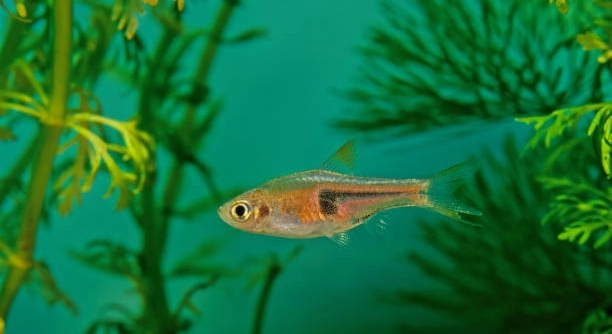
Are your rasbora fish showing unusual behavior or health issues? Keeping a balanced tank is essential for their well-being. Many factors can disrupt this balance, affecting the entire aquatic environment. Recognizing early signs is important for a healthy tank.
An unbalanced rasbora tank often shows signs such as cloudy water, algae overgrowth, stressed fish, uneven swimming patterns, poor appetite, faded colors, and frequent illness. These indicators point to issues with water quality, filtration, or tank maintenance.
Understanding these signs will help you maintain a stable environment and improve your rasboras’ health and happiness in the long run.
Cloudy Water and Poor Visibility
Cloudy water is one of the most obvious signs that your rasbora tank is unbalanced. When the water loses its clarity, it often means there is a buildup of waste, uneaten food, or bacterial blooms. This condition can stress your fish and reduce oxygen levels. Poor visibility also makes it harder to spot other problems early. Regular water changes and proper filtration are essential to keep the water clear. Overfeeding or infrequent cleaning can quickly lead to this issue. It’s important to monitor your tank regularly and address any cloudiness promptly to protect the health of your rasboras.
Cloudy water indicates an imbalance in tank maintenance and water quality that must be corrected immediately.
Maintaining clear water requires consistent cleaning schedules and attention to feeding habits. Use a reliable filter and avoid overfeeding your fish. Testing water parameters regularly helps detect problems before they worsen. If cloudiness persists despite these efforts, consider partial water changes more frequently or checking the filter media for clogs or wear. Proper care prevents long-term damage to your fish and promotes a healthy aquatic environment.
Algae Overgrowth
Excessive algae growth is a clear sign your tank’s ecosystem is off balance. It can make the tank look unattractive and affect the water quality.
Algae thrive in tanks with too much light, excess nutrients, or poor water circulation. When algae grow uncontrollably, they compete with your rasboras for oxygen and can create toxins. This condition often signals that the tank’s nutrient levels need adjustment or that maintenance routines should be improved. Reducing light exposure, cleaning algae regularly, and balancing feeding can control this problem. In some cases, adding live plants that compete with algae for nutrients helps restore balance. Addressing algae overgrowth early ensures your rasbora tank stays healthy and visually pleasing.
Stressed Fish Behavior
Stressed rasboras often swim erratically, hide more, or stay near the surface. These behaviors show discomfort in their environment and can lead to serious health issues.
Stress in fish usually results from poor water quality, sudden changes in temperature, or overcrowding. When rasboras feel unsafe, their immune systems weaken, making them vulnerable to disease. It’s important to maintain stable water conditions and provide enough space. Avoid sudden changes in lighting or temperature, as these can trigger stress. Watching for signs like lethargy or unusual swimming helps identify problems early. Addressing these factors can improve your fish’s well-being and tank balance.
Regular monitoring of water parameters and keeping a calm, consistent environment will reduce stress. Adding plants or hiding spots can also help rasboras feel secure. Healthy, stress-free fish are more active, show vibrant colors, and have stronger immune defenses.
Poor Appetite and Fading Colors
Loss of appetite and dull colors are clear signs your rasboras are struggling. These symptoms often point to an unhealthy tank environment or illness.
When the water quality is poor or the tank conditions are unbalanced, rasboras may lose interest in food. This affects their energy and immune system, making them prone to infections. Fading colors also indicate stress or nutrient deficiencies. Maintaining a clean tank with stable water parameters and feeding a varied diet rich in nutrients can help reverse these signs. Regular observation is essential to catch these issues before they worsen. Timely adjustments in care will support your rasboras’ recovery and long-term health.
Uneven Swimming Patterns
Rasboras swimming unevenly or struggling to maintain balance often indicate poor water conditions. This behavior can signal stress or illness related to tank imbalance.
Such irregular swimming may result from high ammonia or nitrite levels, which affect their nervous system. It is important to test water regularly and perform water changes to maintain safe conditions.
Frequent Illness
Repeated sickness in rasboras suggests persistent problems in the tank’s environment. This can include poor water quality, inadequate filtration, or overcrowding.
Fish exposed to constant stress and harmful water parameters have weakened immune systems. Keeping the tank clean and stable reduces illness frequency. Monitoring behavior and water quality helps prevent outbreaks and keeps your fish healthy.
Faded Colors
Dull or faded colors in rasboras often show poor health or stress. This can be caused by bad water conditions or insufficient nutrition.
Bright colors indicate a healthy, well-maintained tank. Improving water quality and providing a balanced diet usually restores their natural vibrancy.
Frequent Disease Outbreaks
Repeated disease outbreaks in your rasbora tank point to ongoing issues with tank maintenance. Constant poor conditions weaken fish immunity and make recovery difficult.
How often should I change the water in my rasbora tank?
Regular water changes are essential for keeping the tank balanced. A good rule is to change 20–30% of the water weekly. This helps remove waste, excess nutrients, and toxins. More frequent changes may be needed if the tank is heavily stocked or shows signs of poor water quality. Always use treated water at the right temperature to avoid shocking the fish. Regular water changes maintain stable conditions, preventing many common tank problems.
What causes algae overgrowth and how can I control it?
Algae overgrowth happens when there is too much light or excess nutrients like nitrates and phosphates in the tank. Overfeeding and poor water circulation also contribute. To control algae, reduce the lighting period to about 6–8 hours a day and avoid direct sunlight. Clean the tank walls regularly and remove excess algae manually. Using live plants can compete with algae for nutrients, helping to keep it under control. Proper maintenance prevents algae from taking over your tank.
Why are my rasboras hiding all the time?
Constant hiding usually means your rasboras are stressed or feel unsafe. Stress can come from poor water quality, sudden changes in the environment, or aggressive tank mates. Providing plenty of plants and hiding spots helps fish feel secure. Avoid overcrowding and maintain stable water parameters. Observing their behavior closely will help you spot any ongoing issues. Reducing stress is key to keeping your rasboras healthy and active.
How do I know if the tank water parameters are off?
Common signs of poor water parameters include cloudy water, unpleasant odors, stressed or lethargic fish, and uneven swimming. Testing the water regularly for ammonia, nitrite, nitrate, pH, and temperature is necessary. Kits are available that make testing easy at home. Keeping these parameters within the ideal range for rasboras prevents health problems and maintains a balanced tank.
Can overfeeding cause an unbalanced tank?
Yes, overfeeding is a major cause of tank imbalance. Uneaten food decomposes and increases ammonia levels, which harms fish. It also leads to algae growth by raising nutrient levels. Feeding small amounts once or twice a day, only what the fish can eat in a few minutes, prevents excess waste. Proper feeding habits are essential for tank health.
What are the best ways to reduce stress in rasboras?
Maintaining clean, stable water with the right temperature and pH is the first step. Avoid sudden changes in lighting or water conditions. Provide hiding places like plants and decorations. Keep tank mates compatible and avoid overcrowding. Stress weakens the immune system and makes fish vulnerable, so careful monitoring is important. A calm environment supports their natural behavior and coloration.
How can I improve my rasboras’ appetite and color?
Good water quality and a balanced diet rich in nutrients improve appetite and color. Include high-quality flakes, pellets, and occasional live or frozen foods. Avoid overfeeding and keep the tank clean. Stress reduction also helps bring back natural colors. Healthy, well-fed fish are more active and display brighter colors.
Is filtration important for tank balance?
Filtration is critical to remove waste, toxins, and maintain oxygen levels. A proper filter size for your tank ensures efficient water circulation and cleaning. Mechanical, biological, and chemical filtration work together to keep the environment stable. Clean or replace filter media as recommended to maintain effectiveness. A well-filtered tank supports healthy fish and clear water.
How do I prevent frequent illnesses in my rasbora tank?
Prevent illness by maintaining good water quality, avoiding overcrowding, and feeding a nutritious diet. Quarantine new fish before adding them to the tank to avoid introducing diseases. Regular observation helps detect early signs of sickness. Keeping stress low and providing a clean environment strengthens the fish’s immune system, reducing outbreaks.
Can live plants help balance my rasbora tank?
Live plants absorb excess nutrients, reduce algae growth, and provide hiding spots. They contribute to oxygen levels and improve water quality naturally. Including hardy, low-maintenance plants like Java moss or Anubias can enhance tank stability. Plants support a healthier environment and make the tank more natural for your rasboras.
Maintaining a balanced rasbora tank requires attention to several important factors. Clear water, stable water parameters, and proper filtration are key elements that support a healthy environment. Regular maintenance, including partial water changes and cleaning, helps prevent many common problems. Paying close attention to the behavior and appearance of your rasboras also gives early warning signs of imbalance. These include cloudy water, algae overgrowth, stressed fish, poor appetite, and faded colors. Addressing these signs quickly will protect your fish’s health and keep the tank environment stable.
Good feeding habits are equally important in keeping the tank balanced. Overfeeding can lead to excess waste, which disrupts water quality and encourages algae growth. Providing a varied and appropriate diet supports the fish’s health and coloration. In addition, creating a comfortable habitat with adequate hiding places and compatible tank mates reduces stress. Stress weakens the immune system and makes fish more prone to illness. Maintaining stable conditions and minimizing sudden changes will help your rasboras thrive.
Keeping a rasbora tank balanced is not difficult, but it does require consistent care and attention. By following simple routines such as regular water testing, partial water changes, controlled feeding, and tank cleaning, many issues can be avoided. Observing your fish regularly and acting on early signs of imbalance will improve their health and happiness. A well-maintained tank provides a beautiful, peaceful environment for your rasboras to live in, making your aquarium a rewarding experience.

Hello,
If you enjoy the content that we create, please consider saying a "Thank You!" by leaving a tip.
Every little bit helps us continue crafting quality advice that supports the health, happiness, and well-being of pets around the world, for pets of all shapes, sizes, and species.
We really appreciate the kindness and support that you show us!