
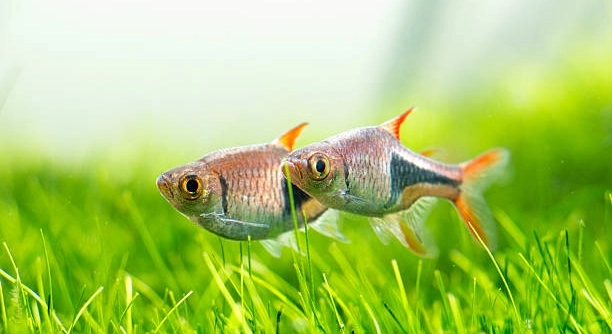
Rasboras are popular freshwater fish known for their lively and social nature. Watching their behavior can help owners understand their health and well-being. Recognizing healthy signs in rasboras supports a thriving aquarium environment.
Healthy rasbora behavior includes active swimming, regular schooling, clear eyes, smooth scales, consistent eating habits, normal breathing, and responsive reactions to stimuli. These indicators collectively demonstrate good physical condition and comfort within their habitat.
Knowing these signs will help you maintain a balanced and healthy home for your rasboras. This knowledge supports better care and a more enjoyable fishkeeping experience.
Active Swimming and Schooling Behavior
Rasboras are naturally active fish that enjoy swimming around their tank. You will often see them moving in groups, which is called schooling. This behavior helps them feel safe and reduces stress. When they swim actively and stay close to one another, it means they are comfortable and healthy. If your rasboras are hiding or staying still for long periods, it might be a sign they are not feeling well. Proper tank conditions, such as clean water and enough space, encourage this natural movement. Providing plants and hiding spots also helps them feel secure, which supports their activity. Watching how your rasboras swim together can give you clues about their well-being and the overall environment in the tank. Keeping their routine consistent will help maintain their natural behaviors over time.
Schooling also helps rasboras socialize and reduces aggression among tank mates.
Consistent active swimming and close schooling show that the fish are relaxed and not experiencing stress, which is essential for their health and longevity.
Clear Eyes and Smooth Scales
Healthy rasboras have bright, clear eyes with no cloudiness or swelling. Their scales lie flat against their bodies and look smooth and shiny. If the eyes appear dull or the scales are damaged, it may indicate illness or poor water quality. Regularly checking these physical signs can help catch problems early. Keeping the water clean and stable is important to prevent infections and scale issues. Sometimes, changes in diet or stress can affect their appearance, so it’s important to monitor their environment carefully. Clear eyes and intact scales reflect that the fish are physically well and the tank conditions meet their needs. These signs are easy to spot during daily observation and should not be overlooked for a healthy aquarium setup.
Consistent Eating Habits
Healthy rasboras eat regularly and show interest in food. They do not refuse meals or appear lethargic during feeding time. Watching their eating behavior helps spot early signs of illness.
Rasboras usually feed eagerly when offered the right diet. They prefer small flakes, pellets, or live food like brine shrimp. Feeding them two times a day in small amounts prevents overfeeding and keeps the tank clean. If some fish consistently ignore food, it may indicate stress or sickness. Maintaining a balanced diet ensures they get enough nutrients to stay active and colorful. Observing their appetite is a quick way to track health changes without disturbing the tank. Offering a varied diet supports their well-being over time.
Sometimes, rasboras may be shy at first but usually grow comfortable feeding with time. Encouraging regular feeding routines helps build trust and consistency.
Normal Breathing Patterns
Rasboras breathe at a steady pace without gasping or rapid gill movement. Abnormal breathing often signals water quality issues or illness.
Keeping water parameters stable is key to healthy breathing. Poor oxygen levels or high toxins make fish breathe faster or gasp at the surface. Checking filters and performing regular water changes prevents these problems. When rasboras breathe normally, it means the tank environment suits their needs and reduces stress. Stress can weaken their immune system and make breathing irregular. It’s important to monitor both the fish and water quality closely to catch issues early. Adjusting temperature and aeration can improve oxygen levels. Healthy rasboras show calm, even breathing even during active swimming or schooling.
Responsive Reactions to Stimuli
Healthy rasboras respond quickly to movement near the tank or changes in light. This alertness shows they are aware of their surroundings.
If they react slowly or not at all, it may indicate stress or illness. Sharp responses mean they are comfortable and feeling well.
Comfortable Interaction with Tank Mates
Rasboras in good health interact peacefully with other fish. They swim together without signs of aggression or hiding. Aggressive behavior or isolation could signal stress or poor health. Maintaining a calm community tank helps promote natural behavior and well-being.
Bright and Consistent Coloration
Healthy rasboras display bright and even coloration. Dull or patchy colors often indicate illness or poor water conditions. Consistent color signals good health and proper diet. Maintaining stable tank conditions helps preserve their natural vibrancy.
Regular Movement Patterns
Rasboras that move regularly without erratic or sluggish behavior are usually healthy. Consistent patterns suggest they are comfortable and stress-free.
FAQ
How often should I feed my rasboras?
Rasboras should be fed small amounts two times a day. Overfeeding can pollute the tank, while underfeeding can weaken the fish. Offering varied food like flakes, pellets, and occasional live or frozen foods keeps them healthy. Monitor their appetite to adjust portions as needed.
What water parameters are best for rasboras?
Rasboras thrive in clean water with a temperature between 72°F and 78°F (22°C to 26°C). The pH should be slightly acidic to neutral, around 6.5 to 7.5. Regular water changes and good filtration maintain these conditions. Stable water quality is essential to prevent stress and disease.
Why do my rasboras hide frequently?
Frequent hiding usually means stress or discomfort. Causes can include poor water quality, aggressive tank mates, or insufficient hiding spots. Improving the environment with plants and decorations, and ensuring peaceful tank mates, can reduce hiding behavior and encourage activity.
What are signs of illness in rasboras?
Common signs include loss of appetite, sluggish swimming, clamped fins, faded colors, and abnormal breathing. Physical issues like cloudy eyes, damaged scales, or spots can also appear. Early detection and treatment are important to prevent serious health problems.
Can rasboras live with other fish?
Yes, rasboras are peaceful and do well with other small, non-aggressive fish. Avoid housing them with large or aggressive species to reduce stress and injury risks. Keeping them in groups of at least six promotes natural schooling and comfort.
How do I encourage schooling behavior?
Provide enough space and keep a group of at least six rasboras together. A well-planted tank with open swimming areas encourages schooling. Avoid sudden changes in lighting or water conditions, as stability helps maintain natural behavior.
What should I do if a rasbora stops eating?
Check water quality and tank conditions immediately. Stress or illness often cause loss of appetite. Quarantine sick fish if needed and consult treatment options. Sometimes changing the diet or feeding live food can help stimulate their interest in eating.
How long do rasboras usually live?
With proper care, rasboras typically live 4 to 6 years. Maintaining clean water, good diet, and stable conditions extends their lifespan. Avoid overcrowding and monitor their health regularly to ensure they stay healthy longer.
Is it normal for rasboras to breathe rapidly?
Rapid breathing is not normal and usually signals low oxygen levels or poor water quality. Check filtration, aeration, and temperature. Improve oxygen by increasing water movement or adding an air stone. Consistent water testing prevents these problems.
What plants are best for a rasbora tank?
Live plants like Java fern, Anubias, and Amazon sword provide shelter and improve water quality. Floating plants help diffuse light and create shade, making rasboras feel secure. Plants also encourage natural behaviors and contribute to a balanced ecosystem.
Healthy rasbora behavior is a key indicator of how well your fish are doing in their environment. Paying close attention to how they swim, eat, and interact helps you understand their needs better. When rasboras swim actively in groups, eat consistently, and respond quickly to changes, it means they feel safe and comfortable. These behaviors are signs that the water quality and tank setup are suitable for them. If you notice changes in their normal patterns, it might be a signal to check the water or their health more closely. Taking care of these details helps prevent problems before they become serious.
Maintaining good water conditions is one of the most important steps for keeping rasboras healthy. Regular water changes, proper filtration, and monitoring temperature and pH levels create a stable environment for your fish. Rasboras are sensitive to sudden changes, so keeping their tank stable reduces stress and helps them thrive. Besides water quality, providing hiding spots and enough space for swimming supports their natural behaviors. Feeding them a balanced diet at regular times also contributes to their overall health. Simple actions like these create a peaceful and healthy aquarium where rasboras can live comfortably.
Understanding the signs of healthy rasbora behavior allows you to be proactive in their care. Observing your fish daily will make it easier to spot any early issues and make changes as needed. Healthy rasboras are active, colorful, and social, and these traits show that their needs are being met. Taking the time to learn about their habits and providing the right environment results in a happier tank for both you and your fish. Keeping your rasboras healthy is not difficult when you focus on consistent care and attention to their behavior.

Hello,
If you enjoy the content that we create, please consider saying a "Thank You!" by leaving a tip.
Every little bit helps us continue crafting quality advice that supports the health, happiness, and well-being of pets around the world, for pets of all shapes, sizes, and species.
We really appreciate the kindness and support that you show us!