
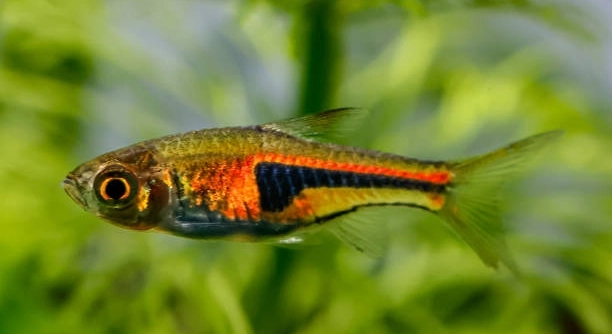
Rasboras are small, peaceful fish often kept in home aquariums. They naturally live in groups and rely on being with others for comfort and safety. Keeping them alone can cause stress and affect their behavior.
Rasboras need to be kept in schools because they are social fish that depend on group dynamics for survival. Schools provide protection, reduce stress, and encourage natural behaviors, which are essential for their health and overall well-being.
Learning about why rasboras thrive in schools helps hobbyists create better environments. This knowledge improves their care and promotes healthier, happier fish in home tanks.
The Importance of Schooling for Rasboras
Rasboras are naturally schooling fish, which means they live and move in groups. In the wild, staying together helps them avoid predators and find food more efficiently. When kept in small groups or alone, they often feel vulnerable and stressed. Stress can weaken their immune system, making them more likely to get sick. Additionally, schooling triggers natural behaviors like synchronized swimming and social interaction. These behaviors keep rasboras active and engaged, which improves their overall health. Without a proper school, rasboras can become shy, hide more, and lose their bright colors. For people keeping rasboras in aquariums, it’s important to mimic these social conditions. Providing a group of at least six or more allows them to feel safe and behave naturally. This setup leads to a more vibrant tank and a healthier environment for these peaceful fish.
Keeping rasboras in schools reduces stress and supports their natural instincts, improving their quality of life.
When rasboras swim together, it also enhances tank aesthetics by creating dynamic movement. The fish appear more lively and colorful. Observing a well-functioning school can be calming and enjoyable. Maintaining a group also reduces aggression, as rasboras feel less threatened. Overall, schooling is a key factor in keeping these fish happy and thriving in captivity.
How to Create the Ideal School for Rasboras
To form a healthy school, keep at least six rasboras together in an appropriately sized tank. Smaller groups can cause anxiety and lead to unhealthy behavior. A tank size of 20 gallons or more is recommended to give them enough space to swim freely as a group. It’s also important to provide hiding spots with plants or decorations. These areas offer security and reduce stress within the school. Maintaining good water quality and a balanced diet further supports their well-being. Regular monitoring helps detect any signs of illness early. By following these guidelines, the fish will display natural schooling behavior and remain active.
The size of the group and the environment both influence how well rasboras thrive.
Ensuring the right number of fish and suitable tank conditions allows rasboras to form stable schools. When the group is too small, individual fish can become isolated and nervous. Proper space encourages synchronized swimming and social bonding. Live plants and gentle water flow mimic their natural habitat, promoting comfort. Feeding a varied diet with high-quality flakes or pellets keeps them healthy and vibrant. Regular water changes keep ammonia and nitrate levels low, preventing stress-related illnesses. Observing the group’s interactions helps identify if the school is balanced or if adjustments are needed. By paying attention to these details, keepers can create an environment where rasboras truly flourish.
Benefits of Keeping Rasboras in Groups
Schooling reduces stress in rasboras, making them less prone to disease. It also encourages natural swimming patterns, which keep them active and healthy.
When rasboras swim together, they feel safer from potential threats. This sense of security lowers their stress levels, helping their immune systems work better. Active swimming in schools helps maintain their muscle tone and overall fitness. The group also stimulates social behaviors that make the fish more lively and colorful. Without a school, rasboras can become withdrawn, often hiding or remaining inactive. Keeping them in groups supports their mental and physical health, leading to a longer life span and better well-being.
A well-maintained school reduces aggressive behavior by spreading attention among fish. It creates a balanced environment where no individual feels isolated or threatened. This harmony results in more consistent feeding habits and less competition. Additionally, a school adds visual appeal to the aquarium, providing a dynamic, moving display that brightens any space. Overall, grouping rasboras enhances both their health and the enjoyment of watching them.
Signs That Rasboras Need a Larger School
Rasboras that isolate themselves or stay hidden often need more companions. They may also lose their bright colors and become sluggish.
When kept in too small groups, rasboras may show signs of anxiety such as erratic swimming or hiding behind decorations. These behaviors indicate discomfort and stress. Loss of color vibrancy is another common sign that the fish are unhappy. Healthy rasboras usually display vivid shades and are active in the tank. A small school might cause fish to compete more aggressively for space or food, worsening their condition. Increasing the number of rasboras helps distribute social interaction and reduces tension.
Adding more fish to the group encourages better schooling behavior and boosts their confidence. It improves their willingness to explore and feed openly. A larger school provides the social environment rasboras need to feel secure and thrive. Observing these signs early can prevent long-term health problems and improve overall tank harmony.
How Schooling Affects Rasbora Behavior
Rasboras rely on schooling to feel secure and confident. Without a group, they often become shy and less active, hiding more than usual.
Schooling encourages natural, synchronized swimming patterns. This social behavior promotes exercise and helps reduce stress, keeping the fish calm and healthy in their environment.
The Role of Environment in Supporting Schools
A well-planted tank with gentle water flow encourages schooling by mimicking the rasboras’ natural habitat. Providing hiding spots and open swimming areas helps the group stay cohesive and balanced.
Monitoring Your Rasbora School
Regularly observe your rasboras for changes in behavior or appearance. Early detection of issues ensures timely care and maintains a healthy school dynamic.
FAQ
How many rasboras should I keep together?
For a healthy school, keep at least six rasboras together. Smaller groups can cause stress and lead to unhealthy behavior. Six or more allows them to feel safe and express natural social behaviors. If your tank is larger, adding more can improve the schooling effect and overall fish activity.
Can rasboras live alone?
Rasboras are social fish and do not thrive when kept alone. Living alone can cause stress, anxiety, and illness. They rely on the group for comfort and safety. If you have only one, it’s best to add more to form a proper school.
What tank size is best for a rasbora school?
A 20-gallon tank or larger is recommended for a school of six or more rasboras. This size gives them enough space to swim freely and maintain group cohesion. Larger tanks allow for more decorations and plants, which improve their environment and reduce stress.
What should I feed my rasbora school?
Rasboras eat flakes, pellets, and small live or frozen foods like brine shrimp or daphnia. Feeding a varied diet keeps them healthy and colorful. Feed small amounts two to three times a day to avoid overfeeding and maintain water quality.
How do I know if my rasboras are stressed?
Signs of stress include hiding, loss of color, sluggish swimming, or aggressive behavior. Rasboras may also stop eating or separate from the group. Stress can be caused by poor water quality, overcrowding, or lack of schooling companions.
Can other fish live with rasboras?
Yes, rasboras are peaceful and do well with other small, non-aggressive fish. Good tank mates include tetras, small gouramis, and peaceful bottom dwellers like Corydoras. Avoid larger or aggressive fish that may bully or eat them.
How often should I change the water for rasboras?
Change about 20-30% of the tank water weekly. This helps keep ammonia and nitrate levels low, which is crucial for their health. Regular water changes reduce stress and keep the environment stable for the school.
What plants work best in a rasbora tank?
Live plants like Java fern, Anubias, and floating plants provide hiding spots and reduce stress. Plants also help maintain water quality by absorbing nitrates. A planted tank mimics their natural habitat, making the fish feel more secure.
Why do rasboras lose their color?
Color loss often indicates stress or illness. It can be caused by poor water conditions, inadequate schooling, or lack of proper nutrition. Ensuring a good group size, stable water parameters, and a balanced diet helps maintain their vibrant colors.
Can rasboras breed in a home aquarium?
Yes, rasboras can breed in home tanks if conditions are right. They prefer slightly acidic, soft water and plenty of plants for laying eggs. Separating a breeding pair in a separate tank often improves success and protects the fry from other fish.
How do I encourage schooling behavior in rasboras?
Keep at least six rasboras together and provide a spacious tank with plants and open swimming areas. Avoid aggressive tank mates and maintain good water quality. Over time, the fish will naturally form tight schools and display synchronized swimming.
What are common health problems in rasboras?
Common issues include stress-related diseases like ich, fin rot, and fungal infections. These often result from poor water quality or inadequate social conditions. Regular maintenance and keeping a proper school reduce the risk of illness.
How can I tell if my school is too small?
If rasboras are hiding frequently, seem anxious, or show little movement, the group may be too small. Also, lack of synchronized swimming or dull colors can indicate insufficient social interaction.
Are there different types of rasboras that school differently?
Yes, different species have slightly varied schooling habits. For example, Harlequin Rasboras school tightly and display vibrant colors, while other species might be more subtle in movement. Researching your specific type helps create the best group environment.
Can rasboras live with shrimp or snails?
Rasboras generally coexist well with peaceful shrimp and snails. These invertebrates help clean the tank and do not bother the fish. However, avoid larger or aggressive shrimp species that could stress the rasboras.
Keeping rasboras in a proper school is essential for their well-being and happiness. These fish naturally live in groups, and being part of a school helps them feel safe and secure. When rasboras are kept together, they display natural behaviors such as synchronized swimming, which keeps them active and healthy. Without a group, they can become stressed, shy, and even sick. This is why it is important to maintain at least six or more rasboras in the same tank. Doing so helps create an environment where they can thrive and enjoy a longer, healthier life.
Creating the right environment for a rasbora school goes beyond just the number of fish. The tank should be large enough to give them space to swim freely as a group. Plants and decorations are also important because they provide hiding spots and help reduce stress. Good water quality must be maintained through regular water changes and proper filtration. Feeding them a balanced diet ensures they get the nutrients needed to stay vibrant and strong. When all these factors come together, the rasboras will feel comfortable and display the lively, colorful behavior that makes them so appealing in home aquariums.
Watching a healthy school of rasboras can be very rewarding. Their peaceful nature and graceful movements add life to any tank. Understanding why they need to be in groups helps keepers make better choices for their care. It also means fewer health problems and more enjoyment watching the fish interact naturally. By paying attention to their social needs and environment, it is possible to provide a space where rasboras can truly flourish. This care and attention create a positive experience both for the fish and those who keep them.

Hello,
If you enjoy the content that we create, please consider saying a "Thank You!" by leaving a tip.
Every little bit helps us continue crafting quality advice that supports the health, happiness, and well-being of pets around the world, for pets of all shapes, sizes, and species.
We really appreciate the kindness and support that you show us!