
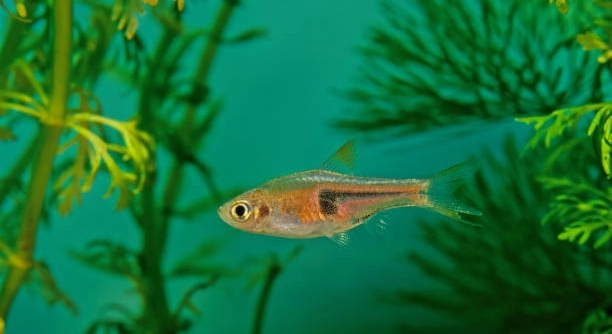
Transporting rasboras requires careful handling to keep them healthy and stress-free. These small, delicate fish need a calm environment and proper preparation before moving them from one place to another. Knowing how to do this correctly helps ensure their safety.
The best way to transport rasboras safely involves using a well-oxygenated, temperature-controlled container with minimal water volume. Proper acclimation and gentle handling reduce stress and physical harm, improving the chances of a smooth transition for the fish.
Following simple steps for transportation protects your rasboras and supports their well-being during the move. Understanding these basics will make your efforts more effective and rewarding.
Preparing Your Rasboras for Transport
Before moving your rasboras, it’s important to prepare them carefully. Start by feeding them lightly a day before the transport to avoid excess waste in the water. Use a clean container that has been rinsed thoroughly without soap or chemicals. Make sure the container is large enough to hold water and the fish comfortably, but avoid too much water as it can be heavy and harder to manage. Fill the container with water from their tank to keep familiar conditions. Adding an air stone or oxygen tablet can help maintain oxygen levels during transport. It’s best to move the fish during cooler parts of the day to reduce stress caused by heat. Avoid sudden movements and loud noises around the container to keep the fish calm. Proper preparation reduces the risk of shock and helps your rasboras stay healthy throughout the process.
Keep the transport container sealed but with enough air for breathing. Secure it to prevent tipping or spills during the move.
Transporting rasboras without proper preparation can lead to stress and health problems. Keeping their environment stable and calm, while ensuring clean, oxygenated water, is essential. Small steps like limiting food and maintaining temperature help them adjust more easily when they arrive at their new location. Using gentle handling and avoiding rapid changes improves their chances of staying healthy.
Choosing the Right Transport Container
Selecting an appropriate container makes a big difference in how well your rasboras handle the move. A sturdy plastic bag or small aquarium with a secure lid works well. The container should hold enough water for the number of fish but not too much, as too much water can cause sloshing and increase the risk of injury. If using a bag, fill it only about one-third with water and the rest with air or oxygen. This allows the fish room to breathe and reduces movement inside the bag. The container must be leak-proof and strong enough to handle handling without breaking or spilling. Proper insulation, such as a foam box, helps keep water temperature stable during transport.
Using a container that fits these requirements will provide a safer environment for your rasboras. Taking care with the container choice lowers risks and helps ensure the fish arrive in good condition.
Maintaining Proper Water Conditions
Maintaining stable water conditions during transport is crucial for rasboras’ health. Sudden changes in temperature or water chemistry can cause stress or shock.
Use water from the original tank to fill the transport container to keep familiar parameters. Avoid adding chemicals or treatments unless absolutely necessary. Keep the water temperature consistent by using insulated containers or heat packs if transporting in cold weather. Monitoring temperature helps prevent fluctuations that could harm your fish. During transport, avoid exposing the container to direct sunlight or extreme cold. If possible, check on the water condition periodically without disturbing the fish. Keeping the water clean and stable supports their health and reduces stress during the move.
Maintaining good water conditions requires attention but pays off with healthier fish. Taking these precautions makes the transfer smoother and increases the chance that your rasboras will thrive after relocation.
Acclimating Rasboras After Transport
Acclimating rasboras properly after transport helps them adjust to their new environment and reduces shock. Start by placing the transport container inside the new tank or near it to equalize temperature. Slowly add small amounts of tank water to the container over 20–30 minutes to help the fish get used to the new water chemistry. Avoid dumping the transport water directly into the tank to prevent contamination. After acclimation, gently release the fish into the tank using a net or by carefully pouring them out. Keep the lights dim and minimize disturbances for several hours. Watch for any signs of stress or illness and be ready to take action if needed. Proper acclimation gives your rasboras the best start in their new home.
Handling Rasboras Gently
Handling rasboras with care reduces stress and prevents injuries. Use a soft net or container when moving them.
Avoid squeezing or rough movements. Keep handling time as short as possible to minimize stress on the fish.
Transport Duration and Timing
Shorter transport times reduce stress and risk of harm to rasboras. Plan your move to limit how long the fish stay in the container. Avoid traveling during extreme temperatures or rush hours to keep conditions stable.
Using Oxygen During Transport
Providing extra oxygen during transport helps rasboras breathe and stay calm. Oxygen tablets or small air stones work well in sealed containers. This reduces stress and improves their chances of arriving healthy.
Avoiding Overcrowding
Too many fish in one container can cause stress and oxygen depletion. Keep the number of rasboras low relative to water volume for safer transport.
FAQ
How long can rasboras stay in the transport container?
Rasboras can safely stay in a transport container for several hours if conditions are right. Ideally, keep transport time under 6 to 8 hours. Longer than this, and the water quality and oxygen levels may drop, causing stress or health issues. For longer trips, provide extra oxygen and try to keep the container insulated to maintain temperature.
What water temperature is best for transporting rasboras?
The best water temperature for transporting rasboras is close to their normal tank temperature, usually between 74°F and 78°F (23°C to 26°C). Avoid sudden temperature changes. Use insulated containers or heat packs in cold weather, and shade the container in heat to keep temperatures stable.
Should I feed rasboras before transport?
Feed rasboras lightly the day before transport but avoid feeding on the day of the move. Uneaten food can pollute the water and increase waste, which reduces water quality and stresses the fish. Fasting for 12 to 24 hours before transport helps keep water cleaner and safer.
Can I add water conditioners or treatments before transport?
Generally, it’s best to use only the original tank water for transport. Adding water conditioners or treatments can sometimes cause more harm if the fish are sensitive. If you must use treatments, choose those that are safe for transport and used in minimal amounts.
How do I prevent stress in rasboras during transport?
Stress can be minimized by handling fish gently, maintaining stable water temperature and chemistry, providing adequate oxygen, and reducing noise and movement around the transport container. Using dark, opaque bags or containers helps reduce visual stress. Also, avoid overcrowding and limit transport time.
What signs show that rasboras are stressed or sick after transport?
Signs of stress include rapid gill movement, clamped fins, erratic swimming, or hiding. Look for physical issues like torn fins, discoloration, or lethargy. If these signs appear, increase water quality monitoring and consider quarantine or treatment to help recovery.
Is it necessary to quarantine rasboras after transport?
Quarantining rasboras after transport is a good practice to monitor their health before adding them to the main tank. A quarantine period of one to two weeks helps detect diseases early and prevents spreading any illnesses to other fish.
Can I transport rasboras with other fish?
It’s better to transport rasboras separately or with fish that have similar care needs and temperaments. Mixing species can increase stress and risk of injury during transport, especially if some are aggressive or very different in size.
How do I handle a sudden water spill during transport?
If a spill happens, try to keep the fish in a safe container with water from the original tank. Transfer the fish gently to a clean container and use treated water with the same temperature and parameters if possible. Avoid rushing and keep the fish calm.
Are plastic bags or hard containers better for transporting rasboras?
Both can work if used properly. Plastic bags are lightweight and allow for good oxygen space but are fragile. Hard containers are sturdier and reduce the risk of leaks but can be heavier and harder to keep temperature stable. Choose based on trip length and handling conditions.
Transporting rasboras safely takes careful planning and attention to detail. These small fish are sensitive to changes in their environment, so it’s important to create the best conditions possible during the move. Using water from their original tank, keeping the temperature steady, and providing enough oxygen all help reduce stress. Choosing the right container and handling the fish gently also play key roles in ensuring their well-being. When these factors are taken seriously, the risk of harm to the rasboras is much lower.
The process does not end once the transport is over. Proper acclimation to the new tank is just as important as the trip itself. Slowly adjusting the fish to the new water parameters helps prevent shock and illness. Watching the rasboras closely after release allows you to catch any early signs of stress or sickness. Giving them a calm and stable environment during this time supports their recovery and helps them settle comfortably. Taking these extra steps increases the chances that your rasboras will thrive in their new home.
Overall, the goal is to keep your rasboras healthy and stress-free throughout the entire move. While the process requires care and patience, it is manageable with the right approach. Following basic guidelines for water quality, temperature, oxygen, and handling makes a big difference. With thoughtful preparation and attention to their needs, you can help your rasboras adjust well and enjoy their new surroundings. This care strengthens their chance for a smooth transition and long-term health.

Hello,
If you enjoy the content that we create, please consider saying a "Thank You!" by leaving a tip.
Every little bit helps us continue crafting quality advice that supports the health, happiness, and well-being of pets around the world, for pets of all shapes, sizes, and species.
We really appreciate the kindness and support that you show us!