
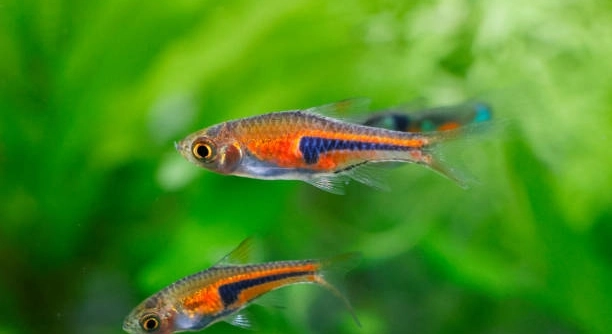
Taking clear and attractive photos of rasboras can be challenging due to their small size and quick movements. Many photographers struggle with lighting and focus when trying to capture these lively fish. Knowing some basic tips can help improve your results.
The key to successful rasbora photography lies in proper lighting, steady camera settings, and patience. Using a fast shutter speed and sufficient light reduces blur, while focusing carefully on the fish ensures sharp images. Preparation and a calm environment also contribute to better photos.
Learning these techniques will help you capture rasboras more effectively. The following tips cover essential steps to make your photos stand out and show the fish’s natural beauty.
Preparing Your Equipment
Having the right equipment ready makes a big difference when photographing rasboras. A camera with manual settings helps control focus, shutter speed, and aperture. Using a macro lens or a lens with close-up capabilities is ideal since rasboras are small fish. A tripod can keep your camera steady, reducing motion blur from hand movements. Preparing your tank by cleaning the glass and adjusting the background creates a better setting. Clear water without debris ensures your photos look sharp and clean. Also, turn off the aquarium lights that may cause reflections on the glass, and use external lighting sources positioned carefully to avoid glare. Taking these steps before you start shooting saves time and helps you focus on capturing the fish in the best light possible.
To prepare your equipment, clean your tank, use appropriate lenses, and stabilize your camera. External lighting should avoid reflections and glare.
A steady camera setup combined with proper lighting will improve image clarity. Clean glass reduces distractions, and a well-chosen background helps the fish stand out. Position lights to avoid reflections and shadows. This preparation creates an environment that highlights the natural colors and movement of the rasboras, making your photos more appealing.
Choosing the Right Lighting
Good lighting is essential for clear photos of rasboras.
Natural light is the best option when available because it creates soft and even illumination. If natural light is limited, use artificial lights with daylight bulbs to mimic natural colors. Avoid using the camera flash directly, as it can startle the fish and cause harsh reflections on the tank glass. Position your light sources at an angle to reduce glare. Soft, diffused lighting helps capture the fish’s details and vibrant colors without creating harsh shadows. Experimenting with different light positions can reveal what works best for your setup.
When lighting is managed well, the natural colors and patterns of the rasboras become visible and vibrant. Consistent lighting reduces noise in photos and helps focus on the fish’s movement. Proper lighting enhances depth and texture, making your photos look professional. Adjust light intensity to avoid overexposure, and use diffusers or white cloths to soften strong light. Lighting is key to creating photos that feel lively and true to life.
Using Manual Focus
Manual focus gives you better control when photographing small, fast-moving rasboras. Autofocus may struggle to lock on the fish, especially through aquarium glass.
By using manual focus, you can adjust precisely where the sharpest point should be. Focus on the eye or the body area where details stand out. Take your time and move the focus ring slowly to get the sharpest image possible. This method requires patience but yields much better results than relying on automatic settings, especially when the fish swim quickly or hide behind plants.
Manual focus also reduces frustration caused by constant refocusing. It allows you to anticipate the fish’s position and lock focus before snapping. This technique helps capture clear, crisp photos without delays. Practicing manual focus improves your skill and leads to more professional-looking images of your rasboras.
Timing Your Shots
Rasboras move quickly, so timing your shots is crucial for good photos.
Observe their swimming patterns to predict moments when they pause or swim slowly. Use burst mode to take multiple shots rapidly, increasing your chances of getting a clear image. Avoid capturing photos when fish are close to the glass, as reflections and distortions may appear. Instead, wait for them to swim in open water with a clean background.
Patience and timing are important when photographing rasboras. Knowing their behavior helps you anticipate good photo moments. Take several photos to increase the chance of a perfect shot. Combining timing with steady equipment use improves overall photo quality. Timing your shots carefully ensures the fish look natural and vibrant without blur or awkward angles.
Choosing the Best Background
A simple background helps rasboras stand out clearly in photos. Avoid busy or cluttered backgrounds that distract from the fish.
Using a dark or neutral background often works best. It highlights the bright colors and patterns of rasboras, making the image more striking and focused.
Adjusting Camera Settings
Using a fast shutter speed reduces motion blur caused by quick movements. Set your ISO to a low or medium level to avoid grainy images. Aperture should be adjusted to balance depth of field and light. These settings help capture sharp, well-exposed photos.
Being Patient
Patience is essential when photographing live fish. Waiting quietly and moving slowly avoids scaring the rasboras. Give them time to swim naturally for more authentic shots.
FAQ
How can I reduce reflections when photographing rasboras?
Reflections on the aquarium glass are a common issue. Position your camera at an angle to the glass rather than straight on. Turn off room lights or any direct light sources behind you. Using a lens hood or placing a black cloth around the camera can also minimize unwanted reflections. Avoid using the camera flash, which often causes glare. Natural or diffused external lighting tends to work best for clear, reflection-free photos.
What is the best time of day to photograph rasboras?
The best time is when natural light is soft and indirect, usually early morning or late afternoon. Avoid harsh midday sunlight that creates strong shadows and glare. If relying on artificial lighting, use consistent light sources with daylight bulbs to mimic natural light. This helps bring out the fish’s colors without harsh contrasts or overexposure.
How do I handle fast-moving rasboras?
Using a fast shutter speed (1/250 or higher) is key to freezing motion. Burst mode can capture multiple shots quickly, increasing the chance of a sharp image. Manual focus helps anticipate where the fish will be. Patience is important; wait for slower moments or when they pause near plants. Combining these techniques reduces blur and captures clear, lively photos.
Should I use a macro lens for rasbora photography?
A macro lens is very helpful because it allows close focusing and detailed shots of small fish. It captures fine textures and patterns that standard lenses might miss. If a macro lens isn’t available, use a zoom lens with good close-up capability. The goal is to get sharp images without disturbing the fish or the tank setup.
How do I avoid scaring the fish during the shoot?
Move slowly and avoid sudden movements around the tank. Use a remote shutter or timer to reduce camera shake and minimize your presence. Keep the environment calm and quiet. Bright flashes and harsh lighting can startle the fish, so use diffused or natural light. Patience is important — letting the fish get comfortable helps capture natural behavior.
What settings work best on a smartphone camera?
Use the manual or pro mode if available. Increase shutter speed to reduce blur and adjust ISO to balance light without grain. Tap to focus on the fish’s eye or body. Use burst mode for multiple shots. Avoid zooming digitally; instead, get closer if possible without disturbing the fish. Good lighting is crucial for clear smartphone photos.
How can I edit rasbora photos without losing quality?
Use editing software or apps that support non-destructive editing. Adjust brightness, contrast, and saturation carefully to enhance colors without overdoing it. Crop images to improve composition but avoid excessive zooming. Sharpen details lightly to keep the image crisp. Always save a copy of the original photo to preserve quality.
Is it better to photograph rasboras in a planted tank?
Planted tanks provide natural backgrounds that add depth and interest to photos. Plants offer hiding spots and reduce stress, making fish more relaxed and easier to photograph. Choose areas with clean water and less clutter for the best results. However, avoid too many reflections or busy backgrounds that distract from the fish.
What should I do if the water is cloudy?
Cloudy water reduces photo clarity and hides details. Clean the tank thoroughly before shooting and wait for the water to clear. Use a filter and avoid feeding right before the shoot to minimize particles. If cloudiness persists, try shooting from different angles or wait for better conditions to ensure sharper images.
Can I photograph rasboras at night?
Photographing at night requires artificial lighting since natural light is absent. Use soft, diffused lights to avoid startling the fish and creating harsh reflections. Adjust camera settings to allow longer exposures if the fish stay still, but beware of motion blur. Night photos can be interesting but may need more patience and setup.
Final thoughts are important when learning to take good photos of rasboras. These small fish move quickly and have delicate colors that can be hard to capture well. Patience and preparation make a big difference. Taking the time to set up your equipment, clean the tank, and adjust your lighting helps create better conditions for photography. It is also important to remember that practice improves skill. The more photos you take, the more you learn about how your camera works with your tank setup and the behavior of the fish. Over time, you will become more comfortable and able to take clearer and more attractive images.
Another key point to keep in mind is that every aquarium and lighting situation is different. What works well in one setup might not work as well in another. Experimentation is necessary to find the best settings and angles for your specific tank and rasboras. Try different light sources, camera settings, and shooting positions. Adjusting the background and keeping the environment calm helps the fish stay relaxed and natural in photos. If something doesn’t work the first time, it is helpful to try again with small changes. This approach allows you to find the best way to highlight the beauty of your rasboras without stressing them or compromising photo quality.
Finally, remember that the goal is to enjoy the process and showcase the natural charm of your rasboras. Photos do not need to be perfect every time. Capturing small moments and the liveliness of the fish is what matters most. Taking breaks, being patient, and paying attention to details all contribute to better results. As you gain experience, you will develop your own style and preferences for photographing rasboras. With care and attention, you can create images that show these beautiful fish in a clear, detailed, and natural way, reflecting both their colors and their personality.

Hello,
If you enjoy the content that we create, please consider saying a "Thank You!" by leaving a tip.
Every little bit helps us continue crafting quality advice that supports the health, happiness, and well-being of pets around the world, for pets of all shapes, sizes, and species.
We really appreciate the kindness and support that you show us!