
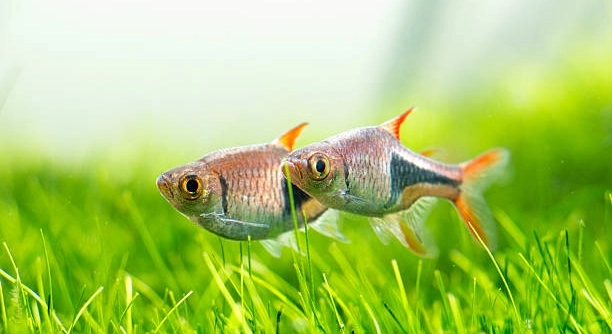
Rasboras are popular freshwater fish known for their small size and peaceful nature. Many aquarists enjoy keeping them because they add color and movement to tanks without requiring complex care. Knowing the basics before purchasing can help you provide the right environment for these fish.
Before buying Rasboras, it is important to understand their specific water parameters, social behavior, and dietary needs. These fish thrive in well-maintained tanks with stable conditions, a proper diet, and should be kept in groups to prevent stress and encourage natural behavior.
Learning these essentials will help you create a healthy and balanced home for your Rasboras. The following information covers important tips every prospective owner should know.
Understanding Rasbora Species and Their Differences
Rasboras come in many varieties, each with unique characteristics. Popular types include the Harlequin Rasbora, Chili Rasbora, and Lambchop Rasbora. Knowing which species fits your tank size and conditions is essential. Harlequin Rasboras are medium-sized and colorful, ideal for community tanks. Chili Rasboras are tiny and prefer very calm, planted environments. Lambchop Rasboras are larger and need more space. Their size, behavior, and water requirements vary, so matching the species to your setup prevents stress and health problems. Researching these differences helps avoid surprises after purchase. It also informs feeding needs and compatibility with other fish. Each type thrives best under specific conditions, such as water pH, temperature, and tank setup. For example, Chili Rasboras prefer softer, slightly acidic water, while Harlequins tolerate a broader range. Knowing these details ensures the Rasboras you buy will live happily and display their best colors and natural behavior in your aquarium.
Each Rasbora species has its unique needs, so choose carefully to provide the best care.
Some species require more planted tanks, while others adapt better to open swimming spaces. Matching species to your tank helps ensure their health and vitality.
Tank Setup and Water Conditions
Rasboras thrive in clean water with stable parameters. Maintaining the right temperature, pH, and hardness is crucial for their health. Most Rasboras prefer water temperatures between 72°F and 79°F (22°C to 26°C) and slightly acidic to neutral pH (6.0 to 7.5). Regular water changes keep nitrate levels low and reduce stress. A well-planted tank with hiding spots mimics their natural environment and helps them feel secure. Avoid overcrowding by keeping at least six Rasboras together; they are schooling fish and need company to avoid stress. Filtration should be gentle to prevent strong currents, as Rasboras prefer calm waters. Testing your water regularly helps maintain proper conditions and spot problems early. Stable water parameters promote good health, reduce disease risk, and encourage active swimming and breeding behavior. When setting up the tank, focus on gradual changes to avoid shocking the fish.
Proper tank care is essential for keeping Rasboras healthy and active. Consistent water quality and appropriate plants make a big difference.
A balanced tank setup reduces stress and supports natural behavior, improving the lifespan and well-being of your Rasboras.
Feeding and Nutrition
Rasboras need a varied diet to stay healthy. Feeding them a mix of flakes, pellets, and live or frozen foods provides essential nutrients.
High-quality flake or pellet food designed for small tropical fish should form the base of their diet. Supplementing with live or frozen foods like brine shrimp, daphnia, or bloodworms adds protein and variety. These foods support their natural hunting behavior and enhance their coloration. Overfeeding can lead to poor water quality, so feed small amounts twice daily, offering only what they can consume in a few minutes. Balanced nutrition helps Rasboras maintain energy, vibrant colors, and a strong immune system.
Rasboras appreciate occasional treats and benefit from fresh foods like finely chopped vegetables. Observing their eating habits ensures they receive enough food without overfeeding. Regular feeding routines promote their health and activity levels.
Social Behavior and Tank Mates
Rasboras are schooling fish that need company. Keeping them in groups of six or more reduces stress and encourages natural behavior.
Choosing compatible tank mates is important. Rasboras do well with peaceful species such as small tetras, guppies, or Corydoras catfish. Avoid aggressive or very large fish that may bully or eat them. Keeping Rasboras with other calm species creates a balanced and peaceful tank environment. The presence of plants and hiding spots further reduces stress and promotes natural interactions. Monitoring fish behavior helps prevent conflicts and keeps all inhabitants healthy.
Creating a harmonious community tank supports Rasboras’ social needs and enhances their well-being. Carefully selecting tank mates protects them from stress and injury.
Breeding Rasboras
Breeding Rasboras requires a separate tank with soft, slightly acidic water. Spawning usually occurs in dense plants or fine-leaved vegetation.
The female lays eggs on plant leaves, which the male fertilizes. After spawning, remove the adults to prevent them from eating the eggs. The eggs hatch in about 24 to 36 hours, and fry become free-swimming after a few days. Providing infusoria or finely crushed flakes helps the fry grow.
Common Health Issues
Rasboras can suffer from stress-related diseases, including fin rot and ich. Maintaining clean water and stable conditions helps prevent illness.
Tank Maintenance and Cleaning
Regular water changes of 20-30% weekly keep water quality high. Use a gentle siphon to remove debris without disturbing the fish.
Importance of Patience
Allow time for Rasboras to adjust to their new environment. Sudden changes can cause stress or illness.
FAQ
How many Rasboras should I keep together?
Rasboras are schooling fish and feel safest in groups. Keeping at least six together is recommended to reduce stress and encourage natural behavior. Smaller groups may cause them to hide or become timid. Larger groups help them swim actively and show off their colors.
What temperature is best for Rasboras?
Most Rasboras thrive in water between 72°F and 79°F (22°C to 26°C). Maintaining a stable temperature within this range is important to prevent stress and illness. Using a reliable aquarium heater and thermometer helps keep conditions steady.
Can Rasboras live with other fish?
Yes, Rasboras get along well with peaceful tank mates like small tetras, guppies, and Corydoras catfish. Avoid aggressive or very large fish that may bully or eat them. Selecting compatible species keeps the tank environment calm and balanced.
What should I feed Rasboras?
A balanced diet of high-quality flakes or pellets designed for small tropical fish is ideal. Supplement with live or frozen foods such as brine shrimp or daphnia to provide extra protein and variety. Feed small amounts twice daily, offering only what they can eat within a few minutes.
How often should I clean the tank?
Regular maintenance is essential. Change 20-30% of the water weekly to keep nitrate levels low and water clean. Use a gentle siphon to remove debris without disturbing the fish or plants. Consistent care prevents disease and keeps Rasboras healthy.
How can I tell if my Rasboras are healthy?
Healthy Rasboras swim actively, display bright colors, and eat eagerly. Look for clear eyes and intact fins. Avoid fish that seem lethargic, hide constantly, or have faded colors, as these signs may indicate stress or illness.
Do Rasboras need plants in their tank?
Yes, live plants provide hiding spots and create a more natural environment. Plants also improve water quality by absorbing nitrates. Dense or fine-leaved plants are especially appreciated by Rasboras for spawning and shelter.
How do I breed Rasboras?
Use a separate breeding tank with soft, slightly acidic water and plenty of fine-leaved plants. After spawning, remove adults to protect the eggs. Eggs hatch in about 24-36 hours, and fry begin swimming a few days later. Feed the fry infusoria or finely crushed flakes until they grow stronger.
What causes Rasboras to die suddenly?
Sudden deaths are often due to poor water quality, stress, or disease. Regular water testing, stable tank conditions, and avoiding overcrowding are key to prevention. Quarantining new fish before adding them can reduce the risk of introducing illness.
Can Rasboras jump out of the tank?
Yes, Rasboras are active swimmers and can jump if startled or if water conditions are poor. A secure lid on the tank helps prevent escapes and keeps them safe.
Is it necessary to cycle the tank before adding Rasboras?
Absolutely. Cycling establishes beneficial bacteria that break down harmful ammonia and nitrites. Introducing Rasboras to a fully cycled tank ensures safer water conditions and reduces the risk of illness.
What are the signs of stress in Rasboras?
Stress signs include hiding, loss of color, rapid gill movement, and reduced appetite. Causes include poor water quality, sudden changes in temperature or pH, overcrowding, and aggressive tank mates. Addressing these factors quickly helps Rasboras recover.
Can Rasboras live in small tanks?
They can live in smaller tanks if kept in proper groups and conditions. A minimum of 10 gallons is recommended for small groups to provide enough swimming space and stable water parameters. Overcrowding or small tanks increase stress and health risks.
Are Rasboras good for beginner fishkeepers?
Yes, many Rasbora species are hardy and adaptable, making them suitable for beginners. They require basic water maintenance and a peaceful tank. Their peaceful nature and beautiful colors make them enjoyable additions to community tanks.
How long do Rasboras live?
With proper care, Rasboras typically live 3 to 5 years. Good water quality, a balanced diet, and a stress-free environment contribute to their longevity. Regular observation and maintenance help ensure they thrive.
Rasboras are a great choice for many aquarium owners. They bring life and color to tanks while being relatively easy to care for. Knowing the basics about their species, tank setup, feeding, and social needs helps ensure they stay healthy and active. Taking the time to learn about their specific requirements makes a big difference in their well-being. When cared for properly, Rasboras can brighten any community tank with their peaceful presence and charming behavior.
Providing a stable environment is essential for keeping Rasboras happy. Maintaining clean water, proper temperature, and suitable tank mates supports their health and reduces stress. They are schooling fish, so keeping them in groups is important for their comfort and natural behavior. Plants and hiding spots also help create a secure space where they can feel safe. Regular tank maintenance and monitoring water conditions go a long way in preventing common health issues. A well-prepared aquarium sets the stage for Rasboras to thrive.
Understanding Rasboras’ needs before buying helps avoid surprises and challenges. From choosing the right species to feeding them correctly, each detail contributes to their quality of life. Patience is also important, as Rasboras need time to adjust to a new tank. Observing them closely can alert you to any signs of stress or illness early on. Overall, Rasboras offer a rewarding experience for those willing to provide consistent care and attention. With the right approach, they make a peaceful, colorful addition to a well-maintained aquarium.

Hello,
If you enjoy the content that we create, please consider saying a "Thank You!" by leaving a tip.
Every little bit helps us continue crafting quality advice that supports the health, happiness, and well-being of pets around the world, for pets of all shapes, sizes, and species.
We really appreciate the kindness and support that you show us!