
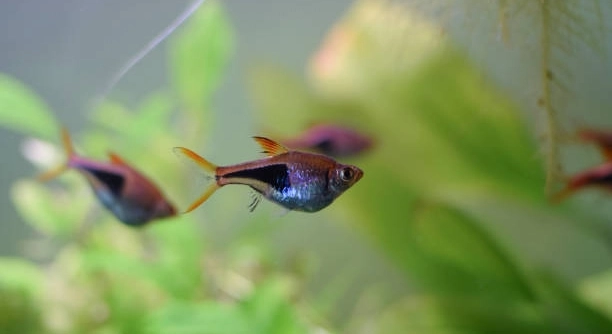
Have you ever set up a tank and wondered if it’s really the right size for your peaceful little rasboras to thrive?
Most rasbora species, like harlequins or chili rasboras, need at least a 10 to 20-gallon tank to swim freely and live comfortably. This space supports schooling behavior, ensures water quality stability, and promotes overall fish health.
Tank size is just the beginning—other factors like swimming habits, group size, and tank mates also play a big role in their well-being.
Why Tank Size Matters for Rasboras
Rasboras are active schooling fish that need plenty of horizontal space to swim in a group. A cramped tank leads to stress, dull colors, and shortened lifespans. Smaller tanks also make it harder to maintain stable water conditions, which rasboras are sensitive to. A 10-gallon tank might work for a small group of chili rasboras, but most other types like harlequin rasboras need at least 15 to 20 gallons. These fish thrive best in groups of six or more, and that requires enough room to spread out while still feeling secure. A longer tank is better than a taller one, as it gives them more room to move side to side, which matches their natural behavior. When rasboras are given the space they need, you’ll notice more vibrant colors, smoother swimming, and better interaction with one another. A well-sized tank sets the foundation for their health and calm, peaceful nature.
Always consider group size and swimming needs before choosing a tank.
Choosing a proper tank also makes it easier to keep up with regular cleaning and filtration. A slightly larger tank holds more water, giving you more flexibility and stability. That makes it less stressful for both you and your rasboras over time.
How to Choose the Right Tank Size
Smaller rasbora species can live in 10 gallons, but most types need at least 15 to 20 gallons to thrive.
If you’re picking out a tank for your rasboras, think about how many you plan to keep and what kind of space they need to swim comfortably. Harlequin rasboras grow up to two inches long and need more room than tiny chili rasboras, which stay under an inch. For a group of six harlequins, a 20-gallon tank is ideal. Chili rasboras can do well in 10 gallons, but only if the group stays small and the tank has plenty of hiding places. Horizontal space is more important than height, so go for a longer tank when possible. Tanks that are at least 24 inches in length give your rasboras the space to swim in their natural back-and-forth pattern. Avoid overstocking, and keep in mind that adding plants or decorations takes up space too. Give them room, and they’ll stay active and healthy with minimal stress.
Filtration, Flow, and Water Stability
A larger tank makes it easier to keep water conditions stable for rasboras. Smaller tanks fluctuate more quickly in temperature, pH, and ammonia levels, which can stress your fish and lead to long-term health problems.
Rasboras prefer gentle water flow and clean, well-oxygenated water. Use a filter rated for a slightly larger tank than yours to ensure effective cleaning. Sponge filters work well for smaller tanks, especially for tiny species like chili rasboras. For larger setups, hang-on-back or canister filters are a better choice. Avoid strong currents, as rasboras are not strong swimmers and can get pushed around. Placing plants or decorations in the path of the filter outflow can help break the current. Check your water parameters weekly and aim to keep them stable. Rasboras do best in temperatures between 72–78°F and slightly acidic to neutral pH levels. Regular maintenance and a good filter setup make all the difference.
Inconsistent water conditions make rasboras nervous, and this can affect their appetite, coloration, and social behavior. Stability in both temperature and water chemistry is just as important as tank size. Keep nitrates low and avoid overcrowding, since more fish means more waste. With the right balance, rasboras remain calm and display their natural group behavior.
The Impact of Tank Mates and Decorations
Rasboras are peaceful and do best with other non-aggressive fish. Ideal tank mates include small tetras, corydoras, kuhli loaches, and other gentle species. Avoid keeping them with fin-nippers or overly active fish that can stress or outcompete them.
Decorations and plants play a key role in how secure rasboras feel. Live plants like java fern, anubias, and hornwort provide shade and hiding spots, reducing stress and helping them feel more at home. Floating plants help soften the lighting, which rasboras prefer. Avoid sharp decorations that can injure their fins, and don’t overcrowd the tank with objects—they still need plenty of space to swim. Stick to a natural layout with open swimming areas in the middle and cover along the edges. A well-decorated tank mimics their native habitat and encourages natural schooling behavior. Calm surroundings lead to more confident, colorful rasboras that interact better with their environment and each other.
Common Mistakes to Avoid
Keeping rasboras in tanks that are too small often leads to stress, dull colors, and short lifespans. Overstocking is another issue—it reduces swimming space and increases waste, which makes water quality harder to manage and maintain.
Skipping regular water changes causes ammonia and nitrate buildup, even in larger tanks. It’s also important not to use strong filters that create too much current. This makes swimming uncomfortable and can wear rasboras out over time.
Minimum vs. Ideal Tank Sizes
The minimum tank size depends on the species, but most rasboras need at least 10 gallons for a small group. However, the ideal size is usually 15 to 20 gallons or more, especially for larger species like harlequins. A slightly larger tank allows for better water stability, more space for group movement, and room for plants and decorations. If you plan to add tank mates or grow your rasbora group over time, it’s best to start with a larger setup. Always choose a tank size based on the adult size of the fish, their activity level, and how many you’ll keep together.
Final Tip on Tank Size
Give rasboras more space than the bare minimum. A larger tank makes care easier and helps them live longer, healthier lives.
FAQ
Can rasboras live in a 5-gallon tank?
A 5-gallon tank is too small for most rasboras. Even tiny species like chili rasboras need more space to swim and school properly. While some keepers try it with three or four, it’s not ideal long term. Water quality in small tanks also fluctuates quickly, which adds stress. For healthy, active rasboras, it’s better to start with at least 10 gallons. That extra space makes a noticeable difference in their behavior and health.
How many rasboras should be kept together?
Rasboras are schooling fish and should be kept in groups of six or more. Keeping fewer than that makes them nervous, which often leads to hiding or erratic swimming. In a larger group, rasboras feel more secure and are more likely to display their natural colors and behaviors. If space allows, groups of 8 to 10 create a calm, social environment that brings out the best in them. Always consider group size when choosing your tank.
Do rasboras need a heater in their tank?
Yes, most rasboras are tropical fish and need a stable temperature between 72–78°F. A heater ensures the water stays in that range, especially if your room temperature drops at night or during colder seasons. Sudden temperature changes can weaken their immune system. A reliable heater with a built-in thermostat helps keep things consistent.
Are rasboras good for beginners?
Yes, rasboras are great for beginners. They’re hardy, peaceful, and not too picky about food. They do well in community tanks and adapt to a variety of conditions as long as those conditions are stable. Just make sure to keep them in a group, give them enough space, and stay on top of water maintenance.
How often should I change the water in a rasbora tank?
Change about 25–30% of the tank water weekly. Regular water changes keep ammonia, nitrite, and nitrate levels under control. Rasboras are sensitive to water quality, so keeping it clean helps prevent illness and keeps them active. Use a gravel vacuum to remove waste and uneaten food from the bottom of the tank.
What tank mates are safe for rasboras?
Stick with peaceful fish like corydoras, otocinclus, guppies, and smaller tetras. Avoid aggressive or overly active species like barbs or large gouramis, which may intimidate or outcompete rasboras. Shrimp and snails can also be good additions, especially in planted tanks. Always watch for signs of stress when adding new tank mates.
Can I keep rasboras in a planted tank?
Absolutely. Rasboras thrive in planted tanks. Plants offer shelter, reduce stress, and improve water quality. Floating plants also help diffuse the light, which rasboras appreciate. Choose beginner-friendly plants like java fern, anubias, hornwort, or Amazon swords. Live plants can make the tank feel more natural and calming for your fish.
How long do rasboras live?
Most rasboras live between 4 to 6 years with proper care. A clean, stable environment, a balanced diet, and enough space all play a role in their lifespan. Some smaller species may live slightly shorter lives, while others can live longer if kept healthy and stress-free.
Do rasboras like strong lighting?
No, rasboras prefer moderate to low lighting. Strong lights can make them hide or act jumpy. Use floating plants or dimmable lights to soften the brightness. Natural daylight cycles are also helpful—aim for 8 to 10 hours of light each day with some shaded areas in the tank.
Do rasboras jump out of tanks?
Yes, rasboras can jump, especially when startled or stressed. It’s best to keep a lid or cover on your tank to prevent accidents. Even small gaps can be risky. A secure lid keeps your rasboras safe and helps maintain humidity and water temperature as well.
Final Thoughts
Rasboras are small, peaceful fish, but they need the right tank setup to live comfortably. Tank size plays a big role in their health and behavior. Many people assume that their small size means they can live in very small tanks, but this leads to problems over time. A proper tank gives rasboras space to school, swim freely, and stay active. When they don’t feel cramped or stressed, they’re more colorful, social, and fun to watch. Even just a few extra gallons can make a noticeable difference in how they behave and interact with their surroundings.
Choosing a slightly larger tank also makes it easier for you to take care of them. Bigger tanks hold more water, which keeps the environment more stable and less prone to quick changes. Water temperature, pH, and ammonia levels are easier to manage, and your maintenance routine becomes more predictable. You don’t have to worry as much about sudden spikes or drops that can harm your rasboras. Filtration works better in a more spacious setup, and there’s more room to decorate with plants and other features that make the tank feel natural. A clean, well-arranged tank also helps you spot any health issues early on.
The effort you put into creating the right home for your rasboras will pay off. With the right tank size, a good filter, soft lighting, and peaceful tank mates, rasboras can thrive for years. They are not demanding fish, but they do have basic needs that shouldn’t be overlooked. Keep them in groups, avoid overstocking, and check your water regularly. These small habits go a long way in keeping your fish calm and healthy. When everything is balanced, you’ll notice your rasboras swimming in sync, eating well, and staying active throughout the day. A little planning at the start helps prevent stress and makes fishkeeping much more enjoyable for you, too.

Hello,
If you enjoy the content that we create, please consider saying a "Thank You!" by leaving a tip.
Every little bit helps us continue crafting quality advice that supports the health, happiness, and well-being of pets around the world, for pets of all shapes, sizes, and species.
We really appreciate the kindness and support that you show us!