
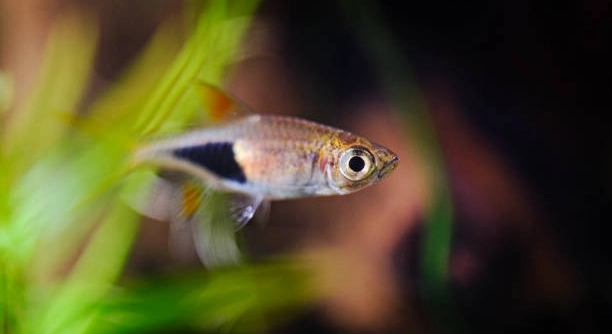
Feeding rasbora fry can feel tricky at first, but it’s an important step in helping your tiny fish grow healthy and strong. Knowing the right food and how often to feed makes a big difference in their survival. This guide will help you through the basics gently and clearly.
The best way to feed rasbora fry is to start with very small, nutritious foods like infusoria or commercially available fry food. Feed them multiple small meals each day to support proper growth without polluting the water.
Learning the right feeding routine early will set your fry up for a healthy life and reduce common care problems.
Choosing the Right Food for Rasbora Fry
When feeding rasbora fry, the first step is selecting the proper food. Newly hatched fry are tiny and need very small, easily digestible food. Infusoria, which are microscopic aquatic creatures, are ideal for the earliest stage. If infusoria isn’t available, you can use liquid fry food or crushed flakes designed for fry. As they grow, you can gradually introduce newly hatched brine shrimp or finely crushed high-quality flakes. Avoid large food particles because the fry won’t be able to eat them, and leftover food can pollute the tank. It’s important to feed fresh food to maintain water quality and keep your fry healthy. Feeding the right food supports their growth and helps them develop strong immune systems. Watching them grow while giving them proper care feels rewarding.
Feeding food that matches their size ensures the fry can eat properly and stay healthy.
Gradually adjusting the food type as the fry grow will prevent digestive problems and promote steady development. Keeping the tank clean by removing uneaten food after feeding will also protect your fry from harmful bacteria and toxins.
Feeding Schedule and Quantity
Feeding rasbora fry multiple times a day is crucial since they have small stomachs and fast metabolisms. Start by offering small amounts of food four to six times daily. Overfeeding can lead to poor water quality, which stresses the fry and slows growth. It’s better to feed small portions frequently rather than one large meal. Observe how much the fry consume in about five minutes and adjust the quantity accordingly. Once they begin eating larger food particles, you can reduce feeding frequency to two or three times daily.
Consistency in feeding helps the fry get used to the routine and supports their growth patterns. Monitoring their behavior and water conditions regularly will allow you to make necessary changes in feeding habits to maintain a healthy environment for the fry. Maintaining a balanced schedule prevents overfeeding and reduces the risk of water pollution, which can harm the delicate fry.
Preparing Food for Rasbora Fry
Food preparation should ensure the right size and freshness. Crush flakes finely or use liquid fry food to suit their tiny mouths. Live foods like brine shrimp need to be freshly hatched and rinsed well to avoid tank contamination.
Crushing flakes into a powder helps the fry eat easily without struggling. Using a clean mortar and pestle or a small grinder works well. For live foods such as brine shrimp, hatch them just before feeding to provide maximum nutrition. Rinse live food thoroughly to remove any harmful residues or salt that can affect water quality. Always prepare only the amount you need for each feeding to avoid leftovers that can foul the water and harm the fry.
Regularly changing and preparing food carefully keeps your tank clean and gives the fry a steady supply of nutrients they need to grow strong. Feeding fresh food also reduces the risk of bacterial growth that could threaten your fry’s health.
Maintaining Water Quality During Feeding
Small food particles can quickly dirty the water, so maintaining cleanliness during feeding is essential. Uneaten food should be removed promptly to prevent water pollution, which can stress and harm the fry.
Using a siphon or a turkey baster is an effective way to remove leftover food without disturbing the fry too much. Feeding smaller amounts more often reduces the risk of excess food sinking and decaying at the tank bottom. Regular water changes help keep water parameters stable and support fry health. Monitoring ammonia and nitrite levels will alert you if feeding is affecting water quality, allowing quick action. Clean water is just as important as proper food for raising healthy rasbora fry.
Signs Your Fry Are Eating Well
Healthy rasbora fry will swim actively and eagerly during feeding times. They appear bright and grow steadily when their diet meets their needs. Watch for quick responses when food is introduced.
If fry seem lethargic or refuse food, it might signal feeding issues or poor water quality. Adjusting the feeding routine or checking water parameters can help improve their condition.
Avoiding Overfeeding
Overfeeding is a common problem that leads to water quality issues and stress. Feed only what the fry can consume in about five minutes to prevent leftover food buildup.
Providing smaller portions more frequently keeps the environment cleaner and supports healthy growth without overwhelming the tank’s filtration system.
Using Live Food Effectively
Live foods like newly hatched brine shrimp or microworms provide excellent nutrition and stimulate natural feeding behavior. Use them sparingly and ensure they are clean to avoid tank contamination.
Feeding live food alongside prepared options gives fry a balanced diet and encourages better growth and survival rates.
Monitoring Growth Progress
Track fry growth weekly to ensure feeding methods are effective. Consistent size increase means they’re receiving adequate nutrition and care.
FAQ
How often should I feed rasbora fry?
Rasbora fry should be fed small amounts multiple times a day. When very young, feeding four to six times daily is ideal. As they grow, reduce feedings to two or three times daily. Frequent small meals help support their fast metabolism and prevent overfeeding.
What is the best food for newly hatched rasbora fry?
Infusoria or liquid fry food is best for newly hatched fry because the particles are tiny enough for them to eat. Once the fry grow, you can introduce finely crushed flakes or newly hatched brine shrimp, which offer better nutrition and encourage natural feeding behavior.
Can I feed my rasbora fry regular fish flakes?
Regular flakes are often too large for tiny fry. Crushing flakes into a fine powder before feeding is necessary to ensure the fry can eat them easily. Using specially prepared fry flakes or powder is recommended to avoid digestive problems.
Is live food necessary for rasbora fry?
Live food like newly hatched brine shrimp or microworms isn’t absolutely necessary but provides excellent nutrition and encourages natural hunting instincts. Including live food alongside prepared options can improve growth rates and survival chances.
How do I prevent overfeeding?
Feed only what the fry can consume in about five minutes. Remove any uneaten food immediately to avoid water pollution. Smaller, frequent feedings help reduce leftovers and maintain better water quality.
What if my fry refuse to eat?
If fry refuse food, check water quality first. Poor water conditions can cause stress and loss of appetite. Also, ensure the food is the correct size and type. Sometimes fry may need a short break from feeding or a change in diet to stimulate appetite.
How can I keep the tank clean during feeding?
Feed small amounts to minimize leftover food. Use a siphon or turkey baster to remove uneaten food and debris after feeding. Regular water changes and monitoring ammonia and nitrite levels are essential to keep the tank safe for delicate fry.
When can I switch to larger food?
Once fry grow larger and start swimming actively, usually after two to three weeks, you can introduce larger food like finely chopped flakes or small live foods. Watch their ability to eat and digest the food before increasing particle size.
What are signs of poor nutrition in rasbora fry?
Signs include slow growth, lethargy, faded colors, and irregular swimming. Poor nutrition weakens the immune system, making fry more prone to disease. Adjust feeding practices and improve water quality to support recovery.
Is it okay to use frozen food for fry?
Frozen foods can be used but should be thawed properly and rinsed to remove excess water. Some frozen foods may be too large or hard for tiny fry, so make sure they are crushed or finely chopped. Live or fresh prepared foods usually work better.
How long does it take for rasbora fry to grow?
Rasbora fry grow steadily with proper feeding and care. In about 4 to 6 weeks, they should reach juvenile size and begin looking more like adult fish. Growth rate depends on diet, water quality, and tank conditions.
Can I mix different foods for the fry?
Yes, mixing food types like liquid fry food, crushed flakes, and live food provides a balanced diet. Variety helps ensure the fry get all necessary nutrients and keeps them interested in eating.
Should I remove the parents when feeding fry?
It’s best to separate the fry from adult fish if possible. Adults may eat the fry or compete for food. A separate breeding or nursery tank ensures the fry get enough food and stay safe during their early development.
What temperature is ideal for feeding rasbora fry?
A stable temperature between 75°F and 80°F (24°C to 27°C) supports good metabolism and feeding activity. Sudden temperature changes can stress fry and reduce their appetite.
How do I know if my feeding schedule needs adjustment?
If fry aren’t growing well, seem lethargic, or water quality declines, your feeding schedule may need changes. Monitor how much food is eaten and how the tank environment responds. Adjust frequency and portion sizes as needed.
These questions cover the common concerns about feeding rasbora fry and maintaining their health. Proper feeding, tank care, and observation make raising healthy fry achievable with patience and attention.
Raising rasbora fry can be a delicate but rewarding process. Feeding them properly is one of the most important steps to ensure they grow healthy and strong. Starting with the right food, such as infusoria or finely crushed flakes, helps the tiny fry get the nutrition they need without struggling to eat. As they grow, gradually introducing larger foods like brine shrimp supports their development and keeps them active. Maintaining a consistent feeding schedule with small portions multiple times a day is best, as it matches their fast metabolism and prevents leftover food from polluting the water.
Water quality is just as important as food when caring for rasbora fry. Overfeeding or feeding too much at once can cause leftover food to build up, which leads to poor water conditions. This can stress the fry and slow their growth. Regular water changes and cleaning up uneaten food help keep the tank environment safe and healthy. Using tools like a siphon or turkey baster makes it easier to remove food waste without disturbing the fry. Keeping a close eye on water parameters such as ammonia and nitrite levels can prevent many common problems before they get worse.
Patience and attention to detail go a long way in successfully raising rasbora fry. Observing their behavior during feeding times can tell you if they are eating well or if changes are needed. If the fry appear sluggish or refuse food, checking water quality and adjusting feeding amounts can help. Feeding a variety of foods, including live options when possible, can provide balanced nutrition and encourage natural behaviors. With proper care and a clean environment, your rasbora fry will grow steadily and thrive, making all the effort worthwhile.

Hello,
If you enjoy the content that we create, please consider saying a "Thank You!" by leaving a tip.
Every little bit helps us continue crafting quality advice that supports the health, happiness, and well-being of pets around the world, for pets of all shapes, sizes, and species.
We really appreciate the kindness and support that you show us!