
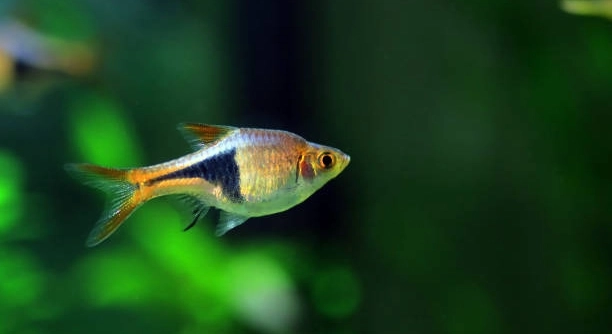
Rasboras are small, colorful fish that many aquarium lovers enjoy keeping. Watching them thrive can be very rewarding, especially when they start showing signs of breeding behavior. Knowing when they are ready to spawn helps maintain a healthy tank environment.
Rasboras exhibit several clear signs when they are prepared to spawn. These include changes in coloration, increased activity, pairing behavior, nest-building tendencies, and specific swimming patterns. Recognizing these signs can aid in successful breeding and care.
Understanding these signals can make a big difference in supporting your rasboras through their spawning process and ensuring a smooth experience.
Color Changes Indicate Readiness
When rasboras are about to spawn, their colors become more vivid. Males often display brighter hues, especially around their fins and body. This color boost signals to females that they are healthy and ready to mate. It is common to notice this change after the tank’s lighting has been stable for a few days or after a water change. Females might also look plumper as they carry eggs inside. Watching these color shifts closely can help you time when to separate pairs or prepare a breeding tank. It also shows that the fish are feeling secure and comfortable in their environment, which is crucial for successful spawning. These visual cues are one of the easiest ways to tell if your rasboras are getting ready to breed.
Color changes in rasboras often last until spawning occurs or shortly after eggs are laid. Monitoring this can help track the breeding process.
Recognizing color shifts is key to knowing when to provide optimal conditions. Bright colors mean your fish are in good health and ready to reproduce. You might want to adjust tank conditions or add spawning materials once you see these changes.
Increased Activity and Pairing Behavior
Rasboras become more active when preparing to spawn. Males chase females gently, swimming around the tank with purpose. They may circle or swim side by side, showing interest in one another. This behavior helps the fish strengthen their bond before spawning. Pairing is common, but sometimes more than one male will compete for a single female. It is important to watch for signs of stress or aggression, as this can affect the breeding success. When you notice these movements and interactions, it’s a good time to set up a breeding area. This might include adding plants or spawning mops for the fish to lay eggs on.
Activity levels rise as spawning approaches, signaling that your rasboras are engaged in their breeding process.
Watching how your rasboras interact gives you insight into their readiness to spawn. Increased swimming and chasing are natural behaviors that show they are preparing for reproduction. This time calls for closer observation to support them with proper tank conditions and privacy. A calm environment reduces stress and encourages successful spawning, so make sure the tank is peaceful and clean during this period.
Nest-Building Tendencies
Rasboras often prepare a spawning site by selecting a spot in the tank. They may nibble on plants or clean a specific area. This behavior helps create a safe place for eggs.
The fish usually pick dense plants or fine-leaved greenery to lay their eggs. Males may swim around these spots frequently, clearing debris or adjusting the area. This preparation shows they are serious about spawning and want the best conditions for their offspring. Providing live plants or spawning mops encourages this behavior and increases the chance of successful breeding.
Creating and maintaining a suitable nest is important for egg survival. The chosen site protects the eggs from being eaten and keeps them secure in the water current. Watching these nest-building actions helps in knowing when to separate eggs or care for fry.
Specific Swimming Patterns
Rasboras display unique swimming movements before spawning. They may dart quickly or perform small loops near the spawning site. These patterns are part of their courtship rituals.
The male often swims closely behind the female, nudging her gently to encourage egg release. This behavior is repeated several times until the female deposits eggs on leaves or plants. These movements can look like a dance, showing readiness and strengthening their bond. The fish become more focused and deliberate in their swimming, signaling imminent spawning. Noticing these patterns can help in timing tank adjustments or preparing for egg care. Paying attention to these details gives you better control over the breeding environment and success.
Increased Appetite Before Spawning
Rasboras often eat more as spawning approaches. This extra feeding helps them build energy for the process.
Feeding high-quality foods like live or frozen brine shrimp can boost their condition and improve spawning chances. A well-fed rasbora is more likely to produce healthy eggs and show strong breeding behavior.
Hiding and Resting Behavior
Before spawning, some rasboras spend more time resting or hiding. This helps them conserve energy. They often seek shelter in plants or decorations, staying out of sight for short periods.
Fin Flare Display
Males sometimes flare their fins to attract females or warn rivals. This display signals strength and readiness to breed.
Nest Guarding
After eggs are laid, some rasboras guard the nest area. This protects eggs from other fish and increases survival chances.
What is the best tank setup for breeding Rasboras?
A calm and clean tank is essential for breeding rasboras. Use plenty of live plants or spawning mops where the fish can lay eggs safely. Soft, slightly acidic water with a temperature around 75–80°F (24–27°C) encourages spawning. Gentle filtration and low water flow help protect delicate eggs. It’s a good idea to keep the lighting dim or moderate, as bright light can stress the fish. Maintaining stable water parameters reduces stress and supports the health of both adults and fry. Having separate breeding and community tanks can also prevent egg predation and improve survival rates.
How do I tell male and female Rasboras apart?
Males usually have brighter colors and more intense fin displays compared to females. They may also be slimmer and smaller. Females tend to look rounder, especially when carrying eggs, with fuller bodies. Observing behavior helps too; males are more active and may chase females during courtship. These differences become clearer as the fish mature. Knowing the sexes helps in pairing fish correctly and preparing for spawning. If unsure, watch the fish over time during their active or breeding phases to spot subtle distinctions.
How long does it take for Rasbora eggs to hatch?
Rasbora eggs typically hatch within 24 to 36 hours after being laid. This time frame can vary slightly depending on water temperature and conditions. Warmer water usually speeds up development, while cooler temperatures slow it down. Once hatched, the fry remain near the egg site for a few days, absorbing their yolk sacs before swimming freely. It’s important to keep the water clean and stable during this period to ensure good survival rates. Removing adult fish from the breeding tank after spawning can protect the eggs and fry from being eaten.
What should I feed Rasbora fry?
Newly hatched rasbora fry need very small food. Infusoria or liquid fry food is ideal in the first few days. After the fry grow a bit, tiny live foods like baby brine shrimp or microworms work well. It’s important to feed often, small amounts several times a day, to support fast growth. Overfeeding can foul the water, so remove uneaten food promptly. Providing high-quality, varied food helps the fry develop strong immune systems and healthy bodies. As they grow, you can gradually introduce crushed flakes or finely ground pellet food.
Can Rasboras spawn in a community tank?
Yes, but it is less successful. In a community tank, other fish may eat the eggs or disturb spawning behavior. The presence of different species can stress rasboras, lowering the chances of breeding. If you want to breed rasboras in a community tank, provide dense plants or spawning mops to protect eggs. Regularly monitor the tank to spot spawning behavior early. Many breeders prefer a separate breeding tank to control conditions and protect eggs and fry. This increases survival and reduces stress on the fish.
How often do Rasboras spawn?
Rasboras can spawn multiple times during warm months if conditions are right. With good water quality, proper nutrition, and a peaceful environment, they may breed every few weeks. However, frequent spawning depends on the health and age of the fish. Younger or stressed fish may spawn less often. Providing a balanced diet and stable environment encourages regular breeding cycles. If you want to increase spawning frequency, keep water parameters steady and perform regular partial water changes. Observing signs like color changes and activity helps predict upcoming spawning events.
Is it necessary to separate adult Rasboras after spawning?
Separating adults after spawning is recommended to protect the eggs. Many adult fish, including rasboras, may eat their own eggs or fry. Moving the adults to another tank prevents this and improves fry survival. If separation is not possible, providing dense plants or hiding places helps shield eggs but is less reliable. Some breeders gently remove eggs and place them in a separate hatching tank. Ensuring safe conditions after spawning is crucial to increasing the number of fry that survive to adulthood.
What are common problems when breeding Rasboras?
Common issues include poor water quality, stress, and egg predation. Dirty or unstable water can cause eggs to fungus or fry to die early. Stress from tank mates or bright lights may stop spawning or harm fish health. Eggs can be eaten by adults or other fish if not protected. Inadequate nutrition weakens fish and reduces breeding success. Using a dedicated breeding tank, maintaining clean water, feeding well, and limiting disturbances can reduce these problems. Patience and close observation help identify issues early and improve outcomes.
Breeding rasboras can be a rewarding experience for anyone interested in caring for these small, lively fish. Understanding the signs that they are ready to spawn helps create the best environment for their success. Paying attention to changes like color, behavior, and activity makes it easier to know when they are preparing to breed. Providing the right tank setup, good water conditions, and proper food supports their natural instincts and health. These steps improve the chances of seeing healthy eggs and lively fry in your aquarium.
It is important to keep the tank calm and stable during the breeding period. Rasboras feel more comfortable in peaceful surroundings with plenty of plants or spawning materials. These give them safe places to lay eggs and protect the young fish. Removing adult fish after spawning also helps protect the eggs from being eaten. Feeding your fish well before and after spawning keeps them strong and ready to care for their offspring. Being patient and observant allows you to respond quickly to their needs and any changes in behavior.
Taking care of rasboras through their breeding process requires attention but is not difficult. Watching their natural patterns and signs gives you insight into their health and readiness. With simple preparations and a calm tank environment, you can encourage spawning and support your fish through each step. This knowledge makes it possible to enjoy the full life cycle of rasboras and helps maintain a healthy, thriving aquarium community.

Hello,
If you enjoy the content that we create, please consider saying a "Thank You!" by leaving a tip.
Every little bit helps us continue crafting quality advice that supports the health, happiness, and well-being of pets around the world, for pets of all shapes, sizes, and species.
We really appreciate the kindness and support that you show us!