
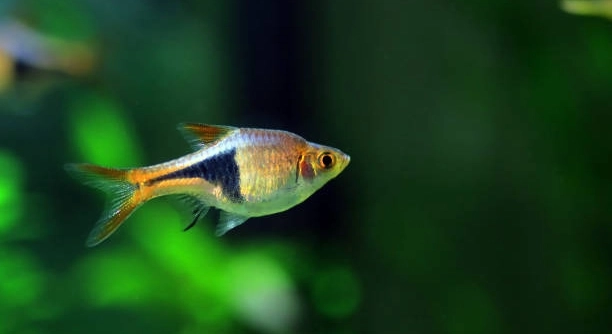
Keeping a Rasbora tank healthy takes some care and attention. Many fishkeepers enjoy these small, active fish, but mistakes can easily happen when setting up or maintaining their environment. Knowing what to avoid is important for a thriving tank.
Avoiding overcrowding, poor water quality, incompatible tank mates, incorrect diet, lack of hiding spots, abrupt changes, and inadequate filtration are key to maintaining a stable environment for Rasboras. These factors directly impact their health and behavior.
Understanding these common pitfalls will help you create a balanced and happy home for your Rasboras. Proper care starts with knowing what not to do.
Overcrowding the Tank
When you add too many Rasboras or other fish to the tank, it quickly becomes overcrowded. Overcrowding leads to stress among fish, which can cause illness and aggressive behavior. It also makes it harder to keep the water clean because waste builds up faster. Rasboras prefer to swim in groups, but there needs to be enough space for them to move freely. A crowded tank reduces oxygen levels and increases competition for food and hiding spots. It’s better to keep the fish population low enough to maintain good water quality and ensure each Rasbora has room to thrive. Regular monitoring of the tank’s fish count and size helps avoid these problems and keeps the fish healthy.
Keeping the tank population balanced prevents stress and health problems for Rasboras. It supports their natural schooling behavior and overall wellbeing.
Finding the right number of fish means considering the tank size and filtration capacity. For example, in a 20-gallon tank, about 10 to 15 Rasboras is a safe range. Make sure to research the adult size of your fish and plan accordingly. Adding a few other peaceful species is okay but avoid large or aggressive fish. Regular water changes and good filtration also help keep the environment stable when you have multiple fish. A balanced tank helps your Rasboras show their best colors and natural behavior.
Poor Water Quality
Poor water quality is one of the biggest threats to Rasboras. Dirty water can cause stress, disease, and even death. Rasboras need clean, well-filtered water with stable parameters. Ammonia, nitrite, and nitrate levels must be kept low through regular water changes. Avoid using untreated tap water, as it may contain harmful chemicals. Water temperature should be steady, ideally between 72°F and 78°F (22°C – 26°C). Sudden changes in temperature or pH can shock the fish.
Keeping the water clean requires regular maintenance. A weekly partial water change of about 20-30% is a good practice to remove waste and toxins. Using a reliable test kit helps monitor water conditions closely. Overfeeding should be avoided since leftover food decomposes and pollutes the water. A good filter supports water quality by removing debris and harmful substances. Clear, clean water keeps Rasboras healthy, active, and vibrant in color.
Avoiding poor water quality is essential for a long-lasting Rasbora tank. It helps prevent common illnesses and promotes healthy growth and activity. With consistent care, water quality will remain stable, supporting your fish’s wellbeing and making the tank a pleasant environment to observe.
Incompatible Tank Mates
Choosing the wrong tank mates can cause stress and harm to Rasboras. Aggressive or much larger fish may bully or eat them. Always pick peaceful species that share similar water needs and temperament.
Peaceful tank mates like small tetras, danios, or shrimp work well with Rasboras. Avoid aggressive fish like cichlids or large barbs, which can chase or injure them. Compatibility also means matching water parameters and swimming levels. Rasboras are mid-to-upper level swimmers, so companions should not overcrowd the same area. A well-planned community tank balances different species, allowing them all to thrive without conflict or stress.
It’s important to monitor interactions after introducing new fish. Sometimes even peaceful species can behave aggressively if stressed or overcrowded. Removing aggressive fish quickly prevents harm to your Rasboras. Also, quarantine new fish before adding them to the tank to avoid spreading disease. Thoughtful selection and observation will keep your tank peaceful and healthy.
Incorrect Diet
Rasboras need a varied diet to stay healthy and show their best colors. Feeding only one type of food can cause nutritional deficiencies. A mix of flakes, pellets, and live or frozen foods is ideal.
A balanced diet includes high-quality flake or pellet food as a staple, supplemented by live or frozen foods like brine shrimp, daphnia, or bloodworms. These provide essential proteins and help mimic their natural diet. Feeding small amounts two or three times a day prevents overfeeding, which can pollute the tank and harm fish health. Avoid feeding large chunks of food that Rasboras cannot eat quickly.
Fresh food supports their immune system and growth, while dry food offers convenience. Variety also prevents boredom and encourages natural foraging behavior. Carefully removing uneaten food after feeding helps keep the water clean. Proper feeding is key to maintaining active, colorful Rasboras in your aquarium.
Lack of Hiding Spots
Rasboras feel safer with plenty of places to hide. Without enough cover, they become stressed and shy. Adding plants and decorations helps them feel secure.
Dense plants, caves, and driftwood create natural hiding places. These also mimic their natural environment, encouraging natural behaviors. A well-decorated tank reduces stress and aggression.
Abrupt Changes
Sudden changes in water temperature or chemistry shock Rasboras. They need stable conditions to stay healthy. Avoid quick changes during water changes or tank moves.
Gradually adjust water parameters over several hours or days. Test water regularly to maintain consistency. Stability prevents stress-related illnesses and promotes long-term health.
Inadequate Filtration
Good filtration is essential to remove waste and maintain water quality. Poor filtration leads to toxic buildup, harming Rasboras. Choose a filter suitable for the tank size.
Filters with gentle flow prevent stressing the fish. Clean and maintain the filter regularly to keep it working efficiently. Proper filtration supports a healthy Rasbora environment.
FAQ
What is the ideal tank size for Rasboras?
A tank of at least 10 gallons is recommended for a small group of Rasboras. They are schooling fish, so keeping at least 6 together helps reduce stress and encourages natural behavior. Larger tanks allow more stable water conditions and room for other peaceful tank mates.
How often should I change the water in a Rasbora tank?
Performing a 20-30% water change every week is a good routine. This helps remove excess waste, toxins, and nitrates that build up over time. Regular water changes maintain water quality and prevent health issues in your fish.
Can Rasboras live with other fish?
Yes, but only with peaceful species that have similar water needs. Good tank mates include small tetras, danios, and shrimp. Avoid aggressive or much larger fish, as they can stress or harm Rasboras.
What temperature do Rasboras need?
Rasboras thrive in temperatures between 72°F and 78°F (22°C to 26°C). It’s important to keep the temperature steady since sudden changes can cause stress or illness.
What should I feed Rasboras?
A varied diet is best. Use high-quality flakes or pellets as a staple and supplement with live or frozen foods like brine shrimp or bloodworms. Feeding small amounts two to three times a day prevents overfeeding and water pollution.
How can I tell if my Rasboras are stressed?
Signs of stress include hiding more than usual, loss of color, rapid breathing, or erratic swimming. Stress often results from poor water quality, overcrowding, or incompatible tank mates.
Do Rasboras need a filter?
Yes, a good filter is necessary to maintain clean water by removing waste and toxins. Choose a filter that provides gentle water flow to avoid stressing the fish. Regular cleaning of the filter keeps it efficient.
Is it necessary to provide hiding spots?
Definitely. Rasboras feel safer with plants, caves, or decorations to hide in. These reduce stress and help them show natural behavior. A well-decorated tank mimics their natural habitat.
Can I keep Rasboras in a planted tank?
Yes, planted tanks are ideal because plants offer hiding places and help maintain water quality. Live plants also create a more natural environment that Rasboras prefer.
How many Rasboras should I keep together?
Keep at least six Rasboras together to support their schooling instincts. Smaller groups may cause stress and make them shy or nervous.
What water parameters should I maintain?
Aim for a pH between 6.0 and 7.5 and soft to moderately hard water. Stable parameters are crucial. Regular testing helps catch any changes early.
Why are my Rasboras not eating?
Loss of appetite can be caused by stress, poor water quality, or illness. Check tank conditions and make sure the diet is varied and fresh. Quarantine sick fish to prevent spreading disease.
How do I introduce new fish to a Rasbora tank?
Quarantine new fish for a few weeks before adding them. When introducing them, do it slowly and monitor interactions closely to avoid aggression or stress.
What causes Rasboras to lose their color?
Fading colors often indicate stress or poor health. This can result from bad water conditions, inadequate diet, or overcrowding. Improving these factors usually restores their vibrant appearance.
How long do Rasboras live?
With proper care, Rasboras can live between 4 to 6 years. Good water quality, a balanced diet, and a stress-free environment help them reach their full lifespan.
Can Rasboras breed in home aquariums?
Yes, but breeding requires specific conditions like soft, slightly acidic water and plenty of plants or spawning mops. It also helps to separate males and females before breeding to improve success.
What should I do if my Rasboras get sick?
Identify the symptoms and test water quality first. Treat common illnesses with appropriate medications and maintain clean water. Quarantine affected fish to avoid spreading disease.
These answers cover the most common questions about keeping Rasboras healthy and happy. Taking care of their environment and needs helps ensure your tank stays balanced and your fish thrive for years.
Final Thoughts
Keeping a Rasbora tank healthy and enjoyable requires attention to several important factors. Avoiding overcrowding, poor water quality, and incompatible tank mates are some of the most essential steps. Rasboras are small, peaceful fish that thrive in groups, but they need enough space to swim freely. Overcrowding leads to stress, which weakens their immune systems and can cause illness. It also makes maintaining good water quality harder because more fish produce more waste. By keeping the fish count appropriate for the tank size and performing regular water changes, you can create a stable environment where Rasboras can flourish.
Water quality is another critical part of Rasbora care. These fish are sensitive to changes in temperature, pH, and the levels of toxins such as ammonia and nitrites. Regular testing and careful maintenance help prevent sudden shifts that could harm your fish. A reliable filter and routine partial water changes keep the tank clean and support healthy fish. It is also important to avoid overfeeding since leftover food can pollute the water quickly. Providing plenty of hiding spots with plants, caves, or decorations helps Rasboras feel safe and reduces their stress. When they feel secure and live in clean, stable conditions, they are more active and display their beautiful colors.
Finally, feeding a varied diet and choosing peaceful tank mates are key to a balanced Rasbora tank. Rasboras need both quality flakes or pellets and occasional live or frozen foods for proper nutrition. Feeding small amounts several times a day avoids waste buildup and keeps the fish healthy. Selecting compatible, non-aggressive fish to live with Rasboras prevents bullying and stress. Watching your tank regularly and addressing any problems quickly will help your Rasboras live a long, happy life. Paying attention to these basic needs makes caring for Rasboras straightforward and rewarding.

Hello,
If you enjoy the content that we create, please consider saying a "Thank You!" by leaving a tip.
Every little bit helps us continue crafting quality advice that supports the health, happiness, and well-being of pets around the world, for pets of all shapes, sizes, and species.
We really appreciate the kindness and support that you show us!