
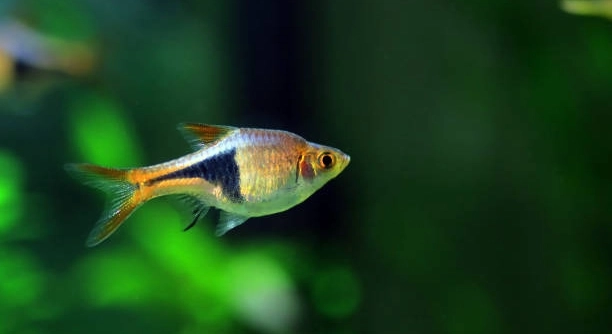
Many people enjoy keeping rasboras as peaceful aquarium fish and often wonder about their senses. Understanding whether these small fish can hear is important for creating a comfortable environment. This article will explain how rasboras perceive sound in simple terms.
Rasboras do have the ability to detect sound through their inner ears and lateral line system. They sense vibrations and pressure changes in the water, allowing them to respond to nearby noises. However, their hearing works differently from that of land animals.
Knowing how rasboras hear can help you better care for them and create a calmer tank environment. This insight adds to understanding their behavior and needs as aquatic pets.
How Rasboras Detect Sound
Rasboras detect sound mainly through two systems: their inner ears and the lateral line. The inner ears help them sense vibrations in the water, while the lateral line detects changes in pressure. This line runs along the sides of their bodies and is very sensitive to movement. When something creates vibrations or waves in the water, rasboras pick up on these signals. This helps them stay aware of their environment and potential dangers. Unlike humans, they don’t hear sounds as we do but sense physical waves instead. Their hearing is tuned to underwater vibrations rather than clear noises. This ability is crucial for communication, avoiding predators, and finding food. Understanding this can help aquarium owners minimize stress for their fish by reducing sudden or strong water disturbances. Knowing how rasboras sense their surroundings helps improve their care and tank conditions for a healthier life.
Rasboras rely mostly on sensing water vibrations instead of hearing airborne sounds.
Creating a stable and calm environment with gentle water movement benefits rasboras greatly. Avoid loud noises near the tank that cause strong vibrations. This helps keep them comfortable and less stressed. When they feel safe, rasboras are more active and display natural behaviors. Proper tank setup and quiet surroundings support their wellbeing. This small care detail improves their quality of life significantly. It also allows hobbyists to enjoy watching their peaceful swimming without interruptions. With gentle care, rasboras thrive in home aquariums.
Can Rasboras Respond to Human Voices?
Rasboras cannot hear human voices in the way we understand speech. Their ears are designed to detect underwater vibrations rather than complex sounds or words. When a person talks near the tank, the fish may sense the vibrations caused by sound waves traveling through the water. However, they do not process these vibrations as voices or meaning. This means talking softly by the tank won’t frighten or calm them through the sound itself. Instead, it is the movement and vibrations in the water that might affect them. Rasboras respond more to changes in their environment, such as water movement or sudden disturbances, than to actual sounds from outside. While they may notice some activity near the tank, they don’t recognize human speech or tone like land animals might.
Even though they cannot understand voices, your tone and calm behavior can influence their tank’s atmosphere.
Aquarium owners sometimes speak to their fish to create a peaceful routine, but the real effect is likely from a quiet and steady environment rather than communication. Fish like rasboras pick up on changes in water vibrations, so avoiding loud noises, tapping, or sudden movements is essential. Consistent tank conditions and gentle care are more important for their wellbeing than any spoken words. Understanding this helps set realistic expectations about how rasboras interact with people. It also encourages focus on creating a low-stress home that supports their natural sensory abilities. Keeping this in mind can lead to a more enjoyable and healthy experience for both the fish and their caretakers.
How Loud Noises Affect Rasboras
Loud noises create strong vibrations in the water that rasboras can detect. These vibrations can stress the fish and cause them to hide or become less active.
When loud sounds happen near the aquarium, the water moves more forcefully. Rasboras sense these sudden changes through their lateral line system, which alerts them to possible danger. This stress can affect their health over time. Frequent loud noises may cause the fish to lose their appetite or act nervously. Because their environment is small and enclosed, they cannot escape these disturbances. Keeping noise levels low around the tank helps maintain a calm atmosphere. A peaceful setting supports their natural behavior and wellbeing.
Rasboras’ sensitivity to water vibrations means tank owners should avoid banging, tapping, or loud music near the aquarium. Gentle care protects their delicate senses and encourages them to thrive.
Tips to Keep Rasboras Comfortable
Position the aquarium in a quiet area away from heavy foot traffic or loud appliances. This reduces constant disturbances.
Maintaining stable water conditions also lowers stress levels for rasboras. Avoid sudden temperature changes or strong water currents. These factors combined with noise can overwhelm their senses. Soft lighting and regular feeding routines help keep them relaxed. Observing your fish calmly lets you notice signs of stress early. If they hide frequently or stop eating, check for environmental triggers. Providing plants or decorations offers hiding spots, making them feel safe. Simple adjustments to their surroundings go a long way in supporting their health. Prioritizing a calm and stable habitat ensures your rasboras live happily in your care.
Can Rasboras Recognize Their Owners?
Rasboras do not recognize people by sight or sound like some other pets might. They respond mainly to routine and environment changes. Familiar movements near the tank may catch their attention but not personal recognition.
They can learn to associate feeding times with certain actions or sounds. This is more about routine than recognizing an individual.
How to Reduce Stress for Rasboras
Keeping a consistent tank environment is key. Avoid sudden noises, rapid movements, or changes in water conditions. These factors cause stress, which can affect their health and behavior. Regular feeding and gentle water flow also help maintain calm. A peaceful habitat lets rasboras feel safe and behave naturally.
Why Understanding Rasbora Hearing Matters
Knowing how rasboras detect sound helps create better care practices. It guides how to manage noise and vibrations around the tank. This understanding improves their comfort and overall wellbeing.
Can rasboras hear sound like humans do?
No, rasboras cannot hear sound like humans. They sense vibrations and pressure changes in water using their inner ears and lateral line system. These systems detect movement and waves rather than clear sounds or speech. Their hearing helps them react to their environment but works very differently from human hearing.
Do rasboras react to human voices?
Rasboras may sense vibrations caused by human voices near the tank, but they do not understand speech or recognize voices. They respond mainly to changes in water movement or sudden disturbances, not to specific sounds or tones.
How loud noises affect rasboras?
Loud noises cause strong vibrations in the water that can stress rasboras. This may make them hide or reduce their activity. Prolonged exposure to loud vibrations can negatively impact their health and behavior. It’s best to keep noise levels low near the aquarium.
Can rasboras get used to noise?
Rasboras may become somewhat accustomed to regular, low-level vibrations or sounds, but sudden loud noises will still startle them. Consistent disturbances can cause ongoing stress. Maintaining a quiet and stable environment helps reduce their sensitivity to noise.
What noises are safe around an aquarium?
Soft background sounds or gentle talking at a distance usually do not disturb rasboras. Avoid banging, tapping, or playing loud music near the tank. Quiet environments support their calmness and natural behavior.
Can tapping on the glass hurt rasboras?
Tapping on the glass creates sharp vibrations that stress rasboras. Repeated tapping can cause anxiety and affect their health. It is best to avoid tapping or hitting the aquarium glass.
How do rasboras sense their environment?
Rasboras use their lateral line system to detect changes in water pressure and movement. Their inner ears pick up vibrations. These senses help them navigate, find food, and avoid danger in the water.
Do rasboras communicate through sound?
Rasboras do not communicate using sound the way humans do. They rely on movement, body language, and changes in water vibrations to interact with each other.
How can I reduce stress for my rasboras?
Keep a stable tank environment with consistent temperature and water quality. Avoid loud noises and sudden movements around the aquarium. Provide hiding places like plants or decorations. Regular feeding schedules also help them feel secure.
Is it okay to talk to my rasboras?
Talking softly near the tank won’t harm rasboras, but they do not understand or respond to speech. Your calm presence can contribute to a peaceful atmosphere, which benefits their wellbeing.
Can rasboras hear other fish?
Yes, rasboras can sense vibrations created by other fish moving or making sudden motions. This helps them react to nearby activity or potential threats.
Why do rasboras jump when scared?
When startled by sudden vibrations or movements, rasboras may jump or dart quickly to escape perceived danger. This is a natural defense mechanism triggered by their sensitivity to changes in their environment.
Do rasboras prefer quiet tanks?
Rasboras do best in calm tanks with minimal disturbances. Loud or constant vibrations can cause stress, so quieter surroundings promote healthier and more natural behavior.
How does water movement affect rasboras?
Strong water currents or bubbles create vibrations that rasboras can detect. Gentle water flow is ideal, while rapid movement can stress them. Stable water conditions are important for their comfort.
Can rasboras hear aquarium equipment?
They can sense vibrations from filters or air pumps, especially if equipment causes strong or irregular water movement. Using quiet, well-maintained equipment helps reduce stress.
Do rasboras get stressed easily?
Yes, due to their sensitivity to vibrations and changes in water conditions, rasboras can become stressed more easily than some other fish. Minimizing noise and disturbances helps keep them calm.
What signs show my rasboras are stressed?
Stress signs include hiding more than usual, loss of appetite, sluggishness, or erratic swimming. If you notice these behaviors, check for environmental causes like noise, water quality, or tank setup.
Can I train rasboras to respond to sounds?
Rasboras do not have the ability to learn sound cues like some animals. They may associate vibrations from feeding routines with food but do not respond to sound commands or signals.
How sensitive are rasboras to sound?
They are quite sensitive to low-frequency vibrations in water. This sensitivity helps them survive but also means they are easily disturbed by sudden or loud noises.
What should I do if my rasboras seem stressed by noise?
Move the tank to a quieter location if possible. Reduce loud noises and vibrations near the aquarium. Provide hiding spots and maintain stable water conditions to help them feel safe.
Rasboras are small, peaceful fish that rely heavily on their ability to sense vibrations in the water. They do not hear sounds like humans, but their inner ears and lateral line system allow them to detect changes in water movement and pressure. This ability helps them stay alert to their surroundings, avoid danger, and communicate with other fish. Because of this unique way of sensing their environment, they are sensitive to sudden or strong vibrations caused by loud noises or quick movements near the tank. Understanding how rasboras perceive sound and vibrations is important for anyone who keeps them as pets. It helps create a comfortable and low-stress environment where the fish can thrive.
Keeping rasboras comfortable means minimizing disturbances that cause strong vibrations in their tank. Loud noises, tapping on the glass, or rough water currents can all stress them out. Stress in fish often leads to health problems, reduced activity, or hiding. By placing the aquarium in a quiet area away from constant noise, using gentle filtration systems, and avoiding sudden movements around the tank, owners can help their rasboras feel more secure. Providing plenty of plants or decorations also offers places for the fish to hide when they feel threatened. These simple steps make a big difference in promoting their wellbeing and encouraging natural behavior.
Even though rasboras do not respond to human voices or recognize their owners in the way some pets do, calm and steady care creates a peaceful atmosphere that benefits them. Speaking softly near the tank or keeping regular feeding routines can help maintain this calm environment, even if the fish don’t understand the sounds. Knowing how rasboras sense their world lets caretakers focus on what really matters — steady water conditions, low noise, and gentle handling. This understanding ensures that these beautiful little fish live happily and healthily, making the aquarium a relaxing and enjoyable space for both the fish and their keepers.

Hello,
If you enjoy the content that we create, please consider saying a "Thank You!" by leaving a tip.
Every little bit helps us continue crafting quality advice that supports the health, happiness, and well-being of pets around the world, for pets of all shapes, sizes, and species.
We really appreciate the kindness and support that you show us!