
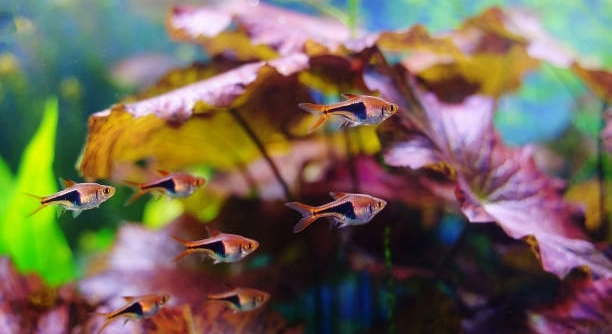
Rasboras are small, peaceful fish that often add color and movement to home aquariums. Sometimes, these lively fish may spend much of their time hiding instead of swimming openly. This behavior can puzzle many aquarium owners.
Rasboras tend to hide due to stress, poor water conditions, lack of proper shelter, or sudden changes in their environment. Ensuring stable water parameters and providing adequate hiding spots can reduce their tendency to stay hidden.
Understanding why rasboras hide helps create a comfortable and healthy tank environment. This knowledge supports their natural behavior and overall well-being.
Common Causes of Rasbora Hiding
Rasboras often hide when they feel unsafe or uncomfortable in their environment. One major reason is stress caused by sudden changes, such as new tankmates or water quality shifts. These fish are sensitive to poor water conditions like high ammonia or nitrite levels. Lack of proper hiding spots like plants or decorations can make them feel exposed. Bright lighting can also cause them to seek shelter more often. Sometimes, illness or injury leads to hiding as well. It’s important to observe your fish carefully and check water parameters regularly. Creating a stable, calm environment helps reduce hiding behavior. When you add enough plants and caves, rasboras feel secure and are more likely to swim freely. Avoid sudden changes to temperature or water chemistry, as this can startle them. Keeping a consistent routine and tank setup encourages healthier, less fearful fish.
Rasboras rely on hiding places to feel safe and avoid stress. Their natural habitat often includes dense plants and shaded areas.
Maintaining stable water conditions and providing enough cover are key to keeping rasboras visible and active. Regular monitoring and gentle handling make a big difference in their comfort and health.
How to Encourage Rasboras to Come Out
The best way to get rasboras to stop hiding is to create a calm and secure environment. Avoid sudden changes in the tank, such as fast water temperature shifts or adding aggressive fish. Use soft lighting or floating plants to reduce brightness. Provide plenty of hiding spots with live plants, rocks, and decorations. Feeding them at regular times also helps build trust and routine. Over time, they learn the tank is safe and will explore more openly. Be patient and avoid tapping the glass or sudden movements around the tank, as these can scare them back into hiding. Consistent water testing to keep parameters in check is essential. A balanced diet with quality food supports their health and encourages active behavior. Watching for signs of illness early on also helps prevent hiding caused by sickness.
When rasboras feel secure, they will swim confidently and show their natural colors. Creating a peaceful space makes all the difference for their well-being. This approach benefits not only rasboras but the whole aquarium ecosystem.
Signs Your Rasbora Is Stressed
Stress in rasboras often shows through constant hiding, loss of color, or erratic swimming. They may also stop eating or become less active. Observing these signs early helps address the problem before it worsens.
Poor water quality is a major cause of stress. High ammonia, nitrite, or nitrate levels can make rasboras uncomfortable and prone to hiding. Rapid temperature changes or overcrowding also increase stress. Stress weakens their immune system, making illness more likely. Keeping water clean, stable, and within the right temperature range reduces stress significantly. Regular testing and partial water changes are simple ways to maintain good water quality. Providing enough space and peaceful tankmates helps rasboras feel safe and relaxed.
Stress can also come from a lack of environmental enrichment. Without plants or hiding spots, rasboras may feel exposed and nervous. Adding decorations mimics their natural habitat and lowers stress levels. A calm, stable tank setup is essential for their well-being.
Water Quality’s Impact on Behavior
Clean and stable water is essential for rasbora health. Poor water conditions often cause them to hide or act lethargic. Testing water regularly helps catch problems early before they affect the fish.
Water temperature should remain consistent, usually between 72°F and 79°F. Fluctuations stress rasboras and can lead to hiding or illness. Ammonia and nitrite levels must be kept at zero, while nitrate should stay low through frequent water changes. Overfeeding can foul water quickly, so feed sparingly. Proper filtration and maintenance keep the tank healthy. When water quality is ideal, rasboras are more active and comfortable. Healthy water supports their natural behavior and vibrant colors. Paying attention to water conditions is the best way to encourage your rasboras to swim openly and happily.
Providing Proper Shelter
Rasboras need places to hide that feel natural and safe. Plants, rocks, and small caves offer ideal shelter. Without these, they often feel vulnerable and stay hidden.
Shelter should be spread throughout the tank. Dense plants and shaded areas help rasboras feel secure. These spots mimic their natural environment and reduce stress.
Feeding and Its Role in Behavior
A regular feeding schedule helps rasboras feel secure and less likely to hide. Feeding small amounts multiple times a day encourages natural activity. Avoid overfeeding, which can harm water quality and fish health. Offering a varied diet, including flakes, pellets, and occasional live or frozen foods, keeps them interested and healthy. Well-fed rasboras are more confident and visible in the tank.
Tank Mates Influence Hiding
Aggressive or overly active tank mates make rasboras feel threatened and hide more. Choosing peaceful companions helps reduce stress.
Avoiding Sudden Changes
Rasboras react negatively to sudden changes in their environment. Keep water temperature and tank setup stable to help them feel safe.
Why are my rasboras hiding all the time?
Rasboras hide frequently because they feel stressed or unsafe. This stress can come from poor water conditions, lack of hiding places, or aggressive tank mates. Sudden changes in the tank, like new fish or water parameter shifts, also make them nervous. Creating a stable environment with plenty of plants and gentle lighting encourages them to explore instead of hiding.
How can I tell if my rasbora is sick or just hiding?
Sick rasboras often show more signs than just hiding. Look for changes like faded colors, clamped fins, rapid breathing, or lack of appetite. If the fish is hiding but still eats well and swims occasionally, it may just be stressed or shy. Sick fish usually show physical symptoms or become very inactive. Checking water quality and watching behavior closely helps identify the problem early.
What water parameters are best for rasboras?
Ideal water temperature for rasboras is between 72°F and 79°F (22°C–26°C). The pH should be slightly acidic to neutral, around 6.0 to 7.5. Ammonia and nitrite levels must be at zero, while nitrate should be kept below 20 ppm. Stable water conditions are crucial, so avoid rapid changes. Regular water testing and partial water changes keep the tank safe for your fish.
How many rasboras should I keep together?
Rasboras are schooling fish and do best in groups of at least six. Smaller groups can cause stress and hiding since they rely on numbers for safety. Keeping a larger school helps them feel confident and display natural behavior. A group also reduces aggression from other fish and makes the tank more lively.
What kinds of plants and decorations help rasboras feel safe?
Live plants like Java moss, hornwort, and Amazon sword create good hiding spots and shade. Floating plants reduce bright light and offer cover. Smooth rocks and small caves also provide secure spaces. Avoid sharp or rough decorations that can injure your fish. A well-planted, gently lit tank closely mimics their natural habitat and reduces hiding.
Can aggressive tank mates cause rasboras to hide?
Yes, aggressive or overly active tank mates stress rasboras and push them into hiding. Avoid housing them with large or territorial fish. Peaceful species like small tetras, peaceful rasboras, or bottom dwellers are better companions. Watching how your fish interact helps you spot stress caused by other tank mates.
Why do my rasboras hide more during the day?
Bright lighting can cause rasboras to hide more during the day. They naturally prefer shaded or dim environments. Using floating plants or dimming aquarium lights can reduce stress. A gradual light schedule, where brightness increases slowly in the morning and decreases at night, also helps.
How often should I feed my rasboras?
Feed small amounts 1-2 times daily. Overfeeding causes water quality problems and makes fish sluggish. Offer a mix of flakes, pellets, and occasional live or frozen foods like brine shrimp. Consistent feeding times build trust and encourage rasboras to come out and eat rather than hiding.
What should I do if my rasboras keep hiding after making changes?
If hiding continues, review water parameters and tank setup carefully. Check for signs of illness and confirm your tank mates are peaceful. Sometimes, it takes days or weeks for rasboras to adjust to new conditions. Patience is important, along with maintaining stable water and providing enough shelter. If problems persist, consulting a local aquarium expert may help.
Can stress cause long-term health problems in rasboras?
Yes, ongoing stress weakens their immune system and makes rasboras prone to disease. Stress can reduce their lifespan and cause behavior changes like constant hiding or loss of appetite. Minimizing stress through good tank care, proper diet, and peaceful companions is essential for their long-term health.
Rasboras are naturally shy and peaceful fish that rely on their environment to feel safe. When they hide often, it usually means something in their tank isn’t quite right for them. It could be stress from poor water quality, bright lights, or aggressive tank mates. Sometimes, they just need more plants and hiding spots to feel secure. Understanding these needs helps create a better home where rasboras feel comfortable enough to swim openly and show their natural behavior. A stable tank with the right conditions supports their health and happiness.
Maintaining good water quality is one of the most important factors in keeping rasboras comfortable. These fish are sensitive to changes in temperature, pH, and harmful chemicals like ammonia or nitrites. Testing the water regularly and doing partial water changes will help keep conditions stable. Feeding them a balanced diet and avoiding overfeeding also prevent water problems. Watching how your fish behave can give clues about their health and environment. If they hide often but seem active during feeding, the problem may be stress rather than illness.
Creating a peaceful tank environment with enough plants, gentle lighting, and compatible tank mates makes a big difference. Rasboras thrive in groups, so keeping several together helps them feel safe. Avoiding sudden changes and loud noises around the tank also reduces stress. It takes time for these fish to get used to their surroundings, so patience is key. When their needs are met, rasboras will be more active and less likely to hide. Taking care of them properly ensures a healthy, lively aquarium that you can enjoy watching every day.

Hello,
If you enjoy the content that we create, please consider saying a "Thank You!" by leaving a tip.
Every little bit helps us continue crafting quality advice that supports the health, happiness, and well-being of pets around the world, for pets of all shapes, sizes, and species.
We really appreciate the kindness and support that you show us!