
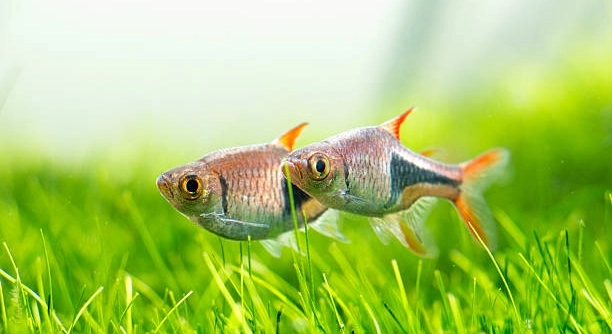
Rasboras are popular freshwater fish that many enjoy keeping in home aquariums. They are generally peaceful, but sometimes their behavior can change, making it important to recognize signs of aggression. Knowing when rasboras are fighting helps maintain a calm environment.
Rasboras fighting display physical signs such as chasing, nipping fins, or flaring fins. These behaviors indicate territorial disputes or stress. Monitoring these actions closely allows timely intervention to reduce harm and ensure the well-being of the fish.
Recognizing these signs early supports a healthier tank and more peaceful community among your aquatic pets. This article explains what to look for and how to respond effectively.
Common Signs of Rasbora Fighting
When rasboras fight, their behavior changes noticeably. You might see one chasing another aggressively around the tank. Fin nipping is a frequent sign, where fish bite at each other’s fins causing damage. Raised or flared fins also indicate agitation. Sometimes, the affected fish hide more often or lose color. These signs usually appear during feeding times or when the tank is overcrowded. Stress from poor water conditions can also trigger aggression. Observing your fish daily helps catch these issues early. Avoid mixing aggressive species with peaceful rasboras to reduce conflicts. Providing plenty of plants and hiding spaces gives fish areas to retreat and lowers tension. Keeping the tank clean and stable supports overall fish health, which can prevent fights from starting. Sometimes, dominance struggles happen naturally, but monitoring and adjusting the environment usually calm them down. Taking these steps ensures your rasboras remain active and healthy, making the tank more enjoyable to watch.
Aggression often increases with overcrowding or sudden changes in the tank. Monitoring population density helps reduce fighting.
Adjusting the environment by rearranging plants and decorations can break up sightlines between aggressive fish. Adding more hiding spots and open swimming space helps reduce stress. Feeding smaller amounts more frequently keeps competition down. If aggression persists, consider separating the most aggressive individuals temporarily to prevent injury. Watching how fish interact after these changes confirms if the problem is improving. Consistent care and attention make the tank a safer place for all inhabitants. Patience is key when managing fish behavior because changes may take several days to show results.
Preventing and Managing Aggression in Rasboras
To minimize fights, keep rasboras in groups of six or more. Larger groups disperse aggression better. Maintaining good water quality and stable temperature reduces stress-induced fighting. Avoid mixing species known to be aggressive with rasboras. Using plenty of plants, rocks, and decorations gives the fish space to establish territories without direct confrontation. Regular tank maintenance and monitoring water parameters keep the environment comfortable. When introducing new fish, quarantine them first to prevent illness or aggression spread. If aggression appears, first try rearranging tank layout before resorting to separating fish. A peaceful community tank improves overall fish health and lifespan. Taking these steps reduces conflict and creates a balanced aquarium where rasboras can thrive peacefully.
When to Separate Fighting Rasboras
Separating fighting rasboras is necessary if injuries occur or aggression is intense. It prevents stress and further damage.
If fighting continues despite environmental adjustments, isolating the most aggressive fish may be needed. Use a separate tank or breeder box to keep them safe. Watch the separated fish closely for signs of stress or illness. After some time, you can try reintroducing them gradually, ensuring the tank has plenty of hiding spaces to reduce tension. Separation should be a temporary measure, not a permanent solution.
Keep in mind that some rasboras may never fully settle with certain tankmates. In those cases, permanent separation or finding a new home for the aggressive fish can protect the group’s overall peace. Regular observation is key to knowing when separation is necessary.
Impact of Tank Setup on Aggression
Tank layout plays a crucial role in controlling rasbora aggression. A crowded or bare tank often increases fighting. Plants and decorations break up sightlines, reducing territorial disputes. Providing hiding spots helps stressed fish escape aggressive encounters, which lowers tension in the group.
Maintaining a balanced tank setup with ample swimming space and natural cover mimics their natural habitat, calming the fish. Group size matters, too—too few rasboras can increase aggression as they compete for dominance. Proper filtration and stable water conditions support healthy fish behavior. A well-planned tank environment can prevent many common causes of fighting. Adjusting the tank layout when aggression is noticed often restores peace quickly. Regular care and thoughtful decoration choices contribute to a more relaxed community.
Understanding Rasbora Behavior
Rasboras are naturally peaceful fish that prefer living in groups. Their social structure helps reduce aggression and stress. Observing their interactions can give clues about their comfort levels and tank dynamics.
Aggression often arises from stress, overcrowding, or competition for resources. Understanding these causes helps in preventing fights before they start.
Feeding and Its Effect on Fighting
Feeding habits greatly influence rasbora behavior. Overfeeding or feeding all at once can lead to competition and chasing. Spreading feeding times or scattering food reduces tension.
Providing a balanced diet keeps fish healthy and less prone to aggressive behavior. Uneaten food should be removed to maintain water quality, which also helps keep aggression low.
Signs of Stress in Rasboras
Stress in rasboras often leads to increased fighting. Signs include hiding, faded colors, or rapid breathing. These indicate that the fish are uncomfortable and may soon display aggression if conditions do not improve.
Monitoring and Maintenance
Regular monitoring of water parameters and tank conditions is essential to prevent stress and aggression. Keeping the environment stable supports peaceful rasbora behavior and overall health.
FAQ
How can I tell if my rasboras are fighting or just playing?
Fighting usually involves chasing, nipping at fins, and flared fins, while playing is more gentle and brief. Playful behavior often looks like quick darting without causing harm. If you see torn fins or hiding after encounters, it is likely fighting, not play. Watching their interactions over time helps distinguish between the two.
What causes rasboras to become aggressive?
Common causes include overcrowding, poor water quality, limited hiding spots, and stress from sudden changes. Competition during feeding or introduction of new fish can also trigger aggression. Ensuring a spacious, well-planted tank with stable conditions reduces chances of fighting.
How many rasboras should I keep together to avoid aggression?
A group of six or more is recommended. Larger groups help disperse aggressive behavior and reduce stress. Small groups or singles tend to be more aggressive due to lack of social structure and dominance struggles.
What should I do if I notice fighting in my tank?
First, check water quality and tank conditions. Rearrange plants and decorations to break up territories. Increase hiding places and feed smaller amounts more often. If aggression continues, separate the aggressive individuals temporarily to prevent injury.
Can tank mates affect rasbora behavior?
Yes, aggressive or territorial species can provoke fights. Rasboras prefer peaceful community tanks. Avoid mixing them with larger, aggressive fish. Compatible tank mates help maintain a calm environment and reduce stress-induced aggression.
How does tank size influence rasbora fighting?
Smaller tanks increase stress and competition for space, leading to fights. A tank of at least 20 gallons is ideal for a small school of rasboras. More space allows natural schooling behavior and reduces territorial disputes.
Are there signs that indicate a fish is being bullied?
Look for torn or damaged fins, faded colors, frequent hiding, and loss of appetite. Bullying fish often appear stressed or lethargic. Early detection helps prevent serious injury and keeps the community healthy.
Is it normal for rasboras to chase each other sometimes?
Yes, chasing is part of their natural social interaction. However, constant or aggressive chasing that results in injury indicates a problem. Temporary chasing is often harmless if it does not escalate.
How can I prevent fighting when introducing new rasboras?
Quarantine new fish before adding them. Rearrange the tank layout before introduction to disrupt established territories. Add new fish in groups rather than singly. Monitor interactions closely during the first days to intervene if needed.
What role does diet play in reducing aggression?
Feeding a balanced diet at regular intervals reduces competition. Overfeeding or feeding too little can cause stress and fights. Scattering food over a wide area keeps rasboras occupied and minimizes aggressive behavior during feeding.
How long should I separate fighting rasboras?
Separation usually lasts a few days to two weeks, depending on the severity of aggression. After this period, gradually reintroduce the fish and monitor their behavior. Longer separation may be necessary if problems persist.
Can lighting affect rasbora aggression?
Bright, constant lighting can stress fish and increase aggression. Using natural or dimmed lighting with plants that provide shade helps reduce stress and create a comfortable environment.
What should I do if fin damage occurs from fighting?
Perform water changes to keep the tank clean and prevent infections. Consider adding aquarium salt to support healing. Monitor the injured fish closely and separate it if fighting continues until healed.
Are there specific rasbora species more prone to fighting?
Some species, like the Harlequin Rasbora, are generally peaceful, while others may show more territorial behavior. Researching the specific species you keep helps manage their needs better.
How often should I check my tank to prevent aggression?
Daily observation is ideal for early detection of fighting and stress. Regular maintenance, such as weekly water changes and cleaning, supports a stable environment and healthy fish behavior.
Final thoughts on managing fighting in rasboras focus on understanding their behavior and creating a supportive environment. Rasboras are generally peaceful fish that thrive in groups and well-maintained tanks. When aggression happens, it usually signals an underlying issue like stress, overcrowding, or poor water conditions. By paying close attention to their interactions and physical signs, such as chasing or fin nipping, you can catch problems early and take steps to reduce fighting. This helps maintain a healthy and calm aquarium for all your fish.
Taking care of tank conditions is key to preventing aggression. Providing enough space, proper water quality, and plenty of hiding places can lower tension in the group. A well-planted tank with natural cover mimics their natural habitat and makes rasboras feel more secure. Keeping the group size at six or more also spreads out any dominant behavior and reduces fights. Regular feeding routines and balanced diets prevent competition during meal times. Making these adjustments creates a more peaceful environment that supports the health and happiness of your rasboras.
Sometimes, despite best efforts, some rasboras may continue to show aggression. In such cases, separating aggressive individuals temporarily or permanently might be necessary to protect the group. Monitoring their behavior closely and being patient as you try different solutions is important. Overall, creating a stable, clean, and well-organized tank is the best way to keep rasboras calm and reduce fighting. With proper care and attention, your rasboras can live together peacefully, making your aquarium a pleasant and attractive space.

Hello,
If you enjoy the content that we create, please consider saying a "Thank You!" by leaving a tip.
Every little bit helps us continue crafting quality advice that supports the health, happiness, and well-being of pets around the world, for pets of all shapes, sizes, and species.
We really appreciate the kindness and support that you show us!