
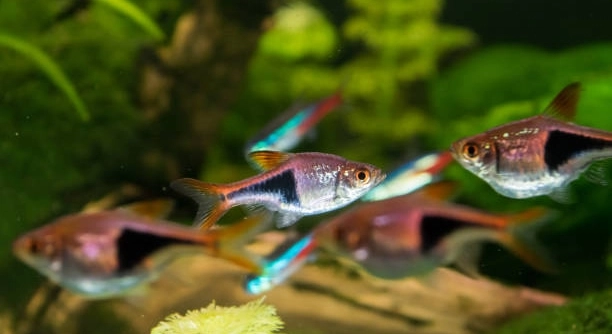
Are your rasbora losing their bright colors and looking dull? Many fish owners notice this change and wonder what causes their vibrant pets to fade. Understanding the reasons behind this can help keep your rasbora healthy and colorful.
Rasbora lose color due to factors such as poor water quality, inadequate diet, stress, illness, aging, improper lighting, and tank environment. Each of these influences the fish’s pigmentation and overall health, leading to faded or dull appearance.
Identifying the key reasons behind color loss will help you restore your rasbora’s natural vibrancy and maintain a thriving aquarium environment.
Poor Water Quality and Its Impact on Rasbora Color
Water quality directly affects the health and appearance of rasbora fish. High levels of ammonia, nitrites, or nitrates create a toxic environment that stresses the fish. Stress reduces their ability to maintain vibrant coloration. Frequent water changes and proper filtration help maintain clean, stable water conditions. Temperature fluctuations can also stress rasbora, causing color loss. Keeping the water within the species’ ideal temperature range supports their well-being. Regular testing of water parameters ensures harmful substances stay low. Overfeeding can contribute to poor water quality by increasing waste, which further impacts fish health. A balanced feeding schedule and adequate tank maintenance are crucial to avoid these problems. Clean water supports good oxygen levels and reduces harmful bacteria or parasites that might dull rasbora’s colors. Taking these steps creates a healthy environment that allows rasbora to display their natural hues fully.
Maintaining good water quality is key to preserving rasbora’s bright colors and overall health.
Water quality problems are one of the most common reasons for color fading in rasbora. Ensuring stable and clean water conditions reduces stress and supports their natural pigmentation. This involves consistent water changes, proper filtration, and monitoring key parameters such as pH, ammonia, nitrite, and nitrate levels. When water quality is optimal, rasbora can thrive and display their vibrant colors. Additionally, controlling temperature and avoiding sudden changes helps prevent stress-related color loss. Poor water quality weakens the fish’s immune system, making them more prone to disease and dull appearance. Therefore, regular maintenance and testing are essential practices to keep rasbora healthy and colorful.
Nutrition and Its Role in Maintaining Vibrant Colors
Feeding your rasbora a varied, nutrient-rich diet supports their color retention and overall health.
A balanced diet that includes high-quality flakes, pellets, and occasional live or frozen foods provides essential vitamins and pigments. Carotenoids, for example, enhance red and orange hues in fish. Without proper nutrients, rasbora may lose their vibrant colors and appear pale. Some commercial foods are specially formulated to boost coloration. Including natural sources such as brine shrimp or daphnia can also help. Avoid overfeeding, as excess food leads to poor water quality, which in turn affects color. Feeding small amounts multiple times a day mimics natural feeding behavior and keeps fish healthy. Ensuring the diet meets all nutritional needs supports immune function, reducing disease risks that dull the fish’s appearance.
Providing your rasbora with a well-rounded diet not only enhances color but also supports long-term health and vitality.
Stress and Its Effect on Rasbora Color
Stress can cause rasbora to lose their bright colors quickly. Common stressors include overcrowding, sudden changes in environment, and aggressive tank mates.
When rasbora experience stress, their bodies release hormones that can suppress pigmentation. Overcrowded tanks limit swimming space, increasing tension and competition for resources. Aggressive fish or constant disturbances make rasbora hide and lose their natural coloration. Changes such as moving the tank or shifting decorations can unsettle them. Stress weakens the immune system, making fish more vulnerable to illness and further color loss. Ensuring a peaceful, stable environment helps reduce stress and supports vibrant colors.
Reducing stress involves proper tank size, compatible species, and maintaining a calm routine. Providing hiding spots and stable water conditions also help rasbora feel secure and retain their color.
Illness and Disease Impacting Color
Illness often causes a sudden or gradual loss of color in rasbora. Parasites, bacterial infections, and fungal diseases are common problems.
Diseased fish expend energy fighting infection rather than maintaining their bright colors. Symptoms such as lethargy, clamped fins, or abnormal behavior often accompany color fading. Early detection and treatment are critical. Quarantining new fish before introducing them reduces disease risk. Keeping the tank clean and avoiding overcrowding lowers infection chances. Using appropriate medication based on diagnosis can restore health and color. Ignoring illness leads to worsening symptoms and permanent color loss.
Maintaining good hygiene, balanced nutrition, and monitoring fish behavior are key preventive measures. Healthy rasbora display their best colors consistently.
Aging and Its Influence on Rasbora Color
As rasbora grow older, their colors may naturally fade. This is a normal part of their life cycle and does not necessarily indicate poor health.
Older fish might appear less vibrant but can still be healthy and active. Aging reduces the intensity of pigments in their skin, leading to a duller look.
Lighting Conditions and Color Retention
Proper lighting is essential for maintaining rasbora’s vibrant colors. Too little light can cause colors to fade, while excessive light may stress the fish. Using full-spectrum aquarium lights that mimic natural daylight supports healthy pigmentation. Consistent light cycles, usually 8 to 10 hours per day, help regulate biological rhythms. Avoid placing the tank in direct sunlight, which can cause temperature fluctuations and algae growth. Adjusting lighting to suit rasbora’s needs helps them display their best colors and reduces stress.
Tank Environment and Color
A well-decorated tank with plants and hiding spots helps rasbora feel secure and display better color.
Why are my rasbora losing color suddenly?
Sudden color loss in rasbora often points to stress or a change in water quality. Rapid shifts in temperature, pH, or the presence of toxins can quickly dull their colors. Illness or parasites might also cause quick fading. Checking water parameters and observing fish behavior is essential to identify the problem early.
How can I improve my rasbora’s color naturally?
A natural boost comes from stable, clean water and a balanced diet rich in carotenoids and vitamins. Adding live or frozen foods like brine shrimp can enhance pigmentation. Proper lighting and reducing stress by avoiding overcrowding also support natural color development. Consistency in tank maintenance is key.
Is color loss a sign of illness in rasbora?
Color loss can be an early sign of illness, especially if paired with other symptoms like lethargy, loss of appetite, or abnormal swimming. Diseases such as ich or bacterial infections often cause fading. Quarantining new fish and maintaining good hygiene reduces risks.
Can stress cause permanent color loss?
Chronic stress can weaken the immune system and cause prolonged color fading. If stressors persist, color loss might become permanent. Creating a peaceful tank environment with compatible tank mates and stable conditions helps prevent this.
Does tank size affect rasbora color?
Yes, small or overcrowded tanks increase stress, leading to duller colors. Rasbora need enough space to swim freely and establish territories. Providing a spacious tank reduces stress and supports healthy coloration.
How often should I change the water to keep colors vibrant?
Weekly water changes of 20-30% help maintain stable water quality, which is critical for color retention. Overfeeding and poor filtration cause waste buildup, dulling colors. Regular partial water changes keep ammonia and nitrate levels low.
Can lighting intensity change rasbora color?
Lighting affects pigment visibility. Low light might make colors look faded, while harsh lighting can stress fish. Using aquarium lights that mimic natural daylight with a set day-night cycle helps rasbora maintain their true colors.
Do certain foods make rasbora colors brighter?
Yes, foods containing carotenoids, such as spirulina, krill, and shrimp, boost red and orange tones. High-quality commercial pellets with added color enhancers can also help. A varied diet ensures all pigment needs are met.
Is it normal for older rasbora to lose color?
Aging naturally reduces pigment intensity. Older rasbora may look less vibrant but still be healthy. This fading is a normal part of their life cycle and usually not a cause for concern unless accompanied by other health issues.
Can changes in tank decorations affect rasbora color?
Sudden changes can stress rasbora, causing color loss. Rasbora prefer stable environments with plants and hiding places. Rearranging the tank too often unsettles them, so keep changes gradual and minimal to protect their coloration.
How do I know if my rasbora’s color loss is from disease or environment?
If color loss comes with lethargy, spots, or damaged fins, disease is likely. If the fish are active and eating well but colors fade, environmental factors such as water quality or stress are probably the cause. Testing water and observing behavior help pinpoint the issue.
Can poor water circulation affect rasbora color?
Yes, stagnant water can reduce oxygen and increase toxins, stressing rasbora. Good water flow supports oxygenation and removes waste, helping maintain healthy, vibrant fish.
Should I isolate a color-fading rasbora?
Isolating sick fish can prevent disease spread. If color loss comes with signs of illness, quarantine the affected rasbora and treat accordingly. Otherwise, maintaining a calm, stable community tank is best.
How does temperature influence rasbora color?
Rasbora thrive in stable temperatures between 72-79°F (22-26°C). Temperatures outside this range cause stress and reduce pigmentation. Use a reliable heater and thermometer to keep conditions steady.
Can algae growth in the tank impact rasbora color?
Excessive algae can affect water quality and block light, indirectly dulling colors. Controlling algae through proper lighting and cleaning helps maintain water clarity and fish coloration.
Are certain rasbora species more prone to color loss?
Some species naturally have more delicate or subtle coloration, which may fade more easily under stress. Knowing the specific needs of your rasbora species helps prevent unnecessary color loss.
Does tankmate behavior affect rasbora color?
Aggressive or territorial tankmates stress rasbora, leading to color loss. Choose peaceful companions and avoid overcrowding to ensure rasbora stay calm and colorful.
Can using water conditioners help maintain rasbora color?
Yes, conditioners that remove chlorine and heavy metals protect fish from toxins that cause stress and fading. Using them during water changes supports healthy skin and color.
How long does it take for rasbora color to return after fixing issues?
Color recovery varies but often takes a few days to several weeks after stressors or illness are resolved. Patience and consistent care are important for full restoration.
Are there supplements to enhance rasbora coloration?
Color-enhancing supplements exist, usually added to food or water. While some can help, overuse or poor quality products may harm fish. A natural diet and good care remain the best approach.
Maintaining the vibrant colors of your rasbora fish requires attention to several important factors. Water quality is the foundation of a healthy aquarium, and keeping the water clean and stable supports the fish’s natural pigmentation. Regular water changes, proper filtration, and monitoring of water parameters help prevent stress and illness that can cause color loss. It is also important to provide a balanced diet rich in nutrients that promote color retention. Feeding your rasbora a variety of quality foods, including those with natural pigments, can help keep their colors bright and appealing.
In addition to water quality and diet, managing stress is essential for color maintenance. Rasbora are sensitive fish that react quickly to changes in their environment. Overcrowding, aggressive tank mates, and sudden changes in tank conditions can cause stress that dulls their colors. Ensuring they have enough space, compatible companions, and a calm, stable environment reduces stress and helps the fish display their best colors. Lighting also plays a role by affecting how colors appear and supporting natural biological rhythms. Using appropriate aquarium lighting and maintaining a consistent light schedule contribute to healthier, more colorful rasbora.
Lastly, some color changes may be natural or unavoidable. Aging rasbora often lose some of their brightness over time, which is normal and not usually a sign of poor health. However, paying attention to other signs of illness or environmental issues is important, as these can cause more serious color loss. Maintaining good tank hygiene, preventing disease, and providing a suitable habitat will help your rasbora stay healthy and colorful for as long as possible. Overall, careful care and attention to their environment and needs will support the long-term vibrancy of your rasbora fish.

Hello,
If you enjoy the content that we create, please consider saying a "Thank You!" by leaving a tip.
Every little bit helps us continue crafting quality advice that supports the health, happiness, and well-being of pets around the world, for pets of all shapes, sizes, and species.
We really appreciate the kindness and support that you show us!