
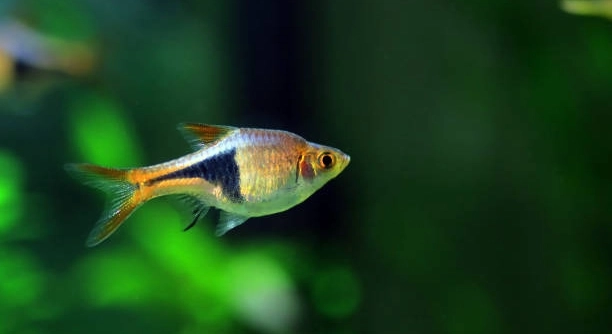
Are you interested in keeping small, colorful fish that brighten your aquarium? Rasboras are popular choices for many fishkeepers due to their vibrant appearance and peaceful nature. They offer a lively addition to home tanks without requiring complex care.
Rasboras are generally suitable for beginners because they are hardy, adaptable to various water conditions, and have straightforward feeding needs. They thrive in community tanks and do not demand specialized equipment or advanced maintenance routines.
Understanding the basics of their care can help ensure a healthy environment for rasboras and a rewarding experience for new aquarists. The following information will guide you through their needs and suitability.
Basic Care Requirements for Rasboras
Rasboras are small, active fish that prefer well-maintained aquariums with stable conditions. They do best in tanks with a minimum size of 10 gallons, allowing enough space for swimming. Water temperature should range between 72°F and 82°F, which matches most tropical fish needs. Maintaining a pH level between 6.0 and 7.5 supports their health. Regular water changes, about 20 to 30 percent weekly, help keep the environment clean. Rasboras enjoy planted tanks with hiding spots, which reduce stress and mimic their natural habitat. They are peaceful and do well with other small, non-aggressive fish. Feeding is simple; they accept flakes, micro pellets, and live or frozen foods like brine shrimp or daphnia. Overfeeding should be avoided, as it can deteriorate water quality quickly. With these basic conditions met, rasboras can live happily for several years.
Proper tank maintenance and water quality are essential for rasbora health.
Creating a stable, clean environment for rasboras helps prevent diseases and promotes their natural behavior. They are sensitive to sudden water changes, so gradual adjustments are important. Choosing compatible tank mates ensures peaceful cohabitation. Adding live plants and decorations provides shelter and reduces aggression among fish. Feeding a balanced diet supports their vibrant colors and active nature. By understanding and maintaining these care requirements, beginners can enjoy watching rasboras thrive without much hassle.
Suitable Tank Mates for Rasboras
Rasboras are social fish that prefer to be in groups of at least six. They thrive alongside other peaceful species such as tetras, guppies, and small catfish. Avoid aggressive or much larger fish that may bully or eat them. Community tanks with similar-sized fish create a calm atmosphere where rasboras feel secure. Careful selection of tank mates reduces stress and promotes healthy behavior.
Choosing tank mates with similar water needs ensures harmony in the aquarium.
Compatibility is key when introducing other species to a rasbora tank. Small, non-aggressive fish that prefer similar water parameters are ideal companions. Species like neon tetras or corydoras catfish share the same temperature and pH preferences, making them good choices. Avoid fish known for fin-nipping or territorial behavior, as this can stress rasboras. Monitoring the tank regularly helps identify any signs of conflict early. A balanced community tank enriches the environment and keeps rasboras active and healthy. With careful planning, beginners can create a vibrant, peaceful aquarium where all species coexist comfortably.
Feeding and Nutrition
Rasboras have simple dietary needs and enjoy a varied diet. They thrive on high-quality flakes and pellets designed for small tropical fish. Supplementing their diet with live or frozen foods boosts their health and color.
Providing a balanced diet is important for rasboras’ vitality. Feeding small amounts two to three times daily prevents overfeeding and maintains water quality. Live foods like brine shrimp or daphnia add protein and encourage natural hunting behavior. Frozen alternatives offer convenience without sacrificing nutrition. Avoid feeding large pellets or foods that sink quickly, as rasboras prefer feeding near the surface or mid-water. Maintaining variety in their diet supports their immune system and keeps them active.
It is important to observe how much your rasboras eat during feeding times. Remove any uneaten food promptly to avoid water contamination. Overfeeding can lead to poor water conditions, which harms fish health. Adjust portions based on their appetite and tank size. Consistent feeding routines help reduce stress and encourage natural behaviors, making rasboras easier to care for.
Common Health Issues
Rasboras are generally hardy but can suffer from common freshwater fish diseases if conditions worsen. Ich, fin rot, and fungal infections are typical concerns when water quality declines or stress is high. Early detection and treatment improve recovery chances.
Maintaining clean water and stable conditions greatly reduces the risk of illness. Signs of sickness include faded colors, clamped fins, lethargy, or spots on the body. Quarantining new fish before adding them to the main tank helps prevent disease introduction. Using proper medication and adjusting water parameters can treat many common health problems. Regular observation of behavior and appearance allows for timely intervention.
Stress is a major factor in fish health decline. Avoid overcrowding and provide enough hiding spots to reduce stress. Proper nutrition and regular maintenance also strengthen their resistance to disease. With these steps, rasboras remain healthy and lively, making them a reliable choice for beginners.
Breeding Rasboras
Breeding rasboras can be simple with proper preparation. They prefer soft, slightly acidic water and a quiet environment to encourage spawning.
Separating the breeding pair into a smaller tank helps monitor eggs and fry. Feeding them live foods improves breeding success and fry survival rates.
Tank Setup Tips
A planted tank with gentle water flow is ideal for rasboras. Use fine gravel or sand as substrate to mimic their natural habitat. Adding floating plants provides shaded areas, reducing stress and encouraging natural behavior. Proper lighting and regular water changes keep the environment healthy and balanced for these small fish.
Suitable Rasbora Species
Harlequin rasboras are among the most popular and beginner-friendly. Other species, like the chili rasbora, require more specific care but offer beautiful colors for experienced keepers. Research species requirements before adding them to your tank.
FAQ
Are rasboras easy to care for?
Yes, rasboras are generally easy to care for, making them suitable for beginners. They tolerate a range of water conditions, have simple feeding requirements, and are peaceful fish that do well in community tanks. Regular tank maintenance and stable water parameters help keep them healthy.
How many rasboras should I keep together?
Rasboras are schooling fish and feel most comfortable in groups. It is best to keep at least six rasboras together. Keeping them in a group reduces stress and encourages natural behavior, such as swimming in synchronized patterns, which adds to the aquarium’s visual appeal.
What water temperature do rasboras need?
Rasboras prefer a water temperature between 72°F and 82°F (22°C to 28°C). This range is typical for most tropical fish. Maintaining a stable temperature within these limits is important, as sudden changes can stress the fish and make them more susceptible to illness.
What do rasboras eat?
Rasboras eat a variety of foods. High-quality flake or pellet foods designed for small tropical fish make a good staple diet. Supplement their feeding with live or frozen foods like brine shrimp, daphnia, or bloodworms. This variety helps keep them healthy and vibrant.
Can rasboras live with other fish?
Yes, rasboras are peaceful and generally get along well with other non-aggressive fish. Suitable tank mates include small tetras, guppies, and corydoras catfish. Avoid housing them with large or aggressive fish that may bully or eat them.
How often should I feed rasboras?
Feeding rasboras two to three times per day in small amounts is ideal. Only provide what they can eat within a few minutes to avoid leftover food, which can pollute the water. Adjust feeding based on their appetite and tank size.
How big do rasboras get?
Most common rasbora species, like the harlequin rasbora, grow to about 1.5 to 2 inches (4 to 5 cm). They stay small, making them perfect for smaller tanks and community setups.
Do rasboras need a heater?
In most cases, yes. Rasboras are tropical fish and require a heater to maintain a consistent warm temperature within their preferred range. Room temperature alone is usually not enough to keep the water stable, especially in cooler climates.
How often should I change the water?
Regular water changes of about 20 to 30 percent once a week help maintain good water quality. This removes toxins and keeps the environment healthy. Partial changes are better than full water replacements to avoid stressing the fish.
Can rasboras breed in a community tank?
While rasboras may spawn in community tanks, breeding success is often higher in a separate breeding tank with controlled conditions. Removing eggs to a nursery tank increases fry survival since other fish may eat the eggs or young fry.
What signs show that rasboras are healthy?
Healthy rasboras have bright colors, active swimming behavior, and clear eyes. They show interest in food and interact peacefully with other fish. Dull colors, lethargy, or clamped fins may indicate stress or illness.
How do I treat common diseases in rasboras?
Maintaining good water quality is the first defense against disease. For common issues like ich or fin rot, medications are available and effective when used early. Quarantining new fish before introducing them to the main tank reduces disease risks.
Is it necessary to have live plants for rasboras?
Live plants are beneficial but not strictly necessary. They provide hiding places, improve water quality, and reduce stress by creating a natural environment. Floating plants also help diffuse light, which rasboras appreciate.
Can rasboras live alone?
Rasboras are social fish and do not thrive when kept alone. They become stressed and may show abnormal behavior. Keeping them in groups helps ensure they remain healthy and display their natural swimming patterns.
What is the best substrate for a rasbora tank?
Fine gravel or sand works well as substrate. It mimics their natural habitat and allows plants to root properly. Avoid sharp or large substrates that might injure the fish or make cleaning difficult.
Final Thoughts
Rasboras are a great choice for beginners who want colorful, peaceful fish in their aquarium. They have simple care needs and adapt well to a range of water conditions. Their small size and social nature make them suitable for community tanks, where they add lively movement and visual interest. While they do require regular maintenance like water changes and monitoring water quality, their overall care routine is manageable for new fishkeepers. This makes rasboras a reliable option for those just starting with tropical fish.
It is important to remember that providing the right environment is key to keeping rasboras healthy and happy. A tank of at least 10 gallons with stable temperature and pH levels will support their well-being. Adding live plants and hiding spots helps reduce stress and encourages natural behavior. Feeding them a varied diet, including quality flakes and occasional live or frozen foods, promotes their vibrant colors and overall health. Keeping rasboras in groups of six or more also improves their comfort and reduces anxiety. Taking these steps helps create a balanced, thriving aquarium where rasboras can flourish.
While rasboras are not overly demanding, attention to detail and consistency will make caring for them easier and more rewarding. Avoiding overcrowding, maintaining water quality, and choosing compatible tank mates prevent common issues like disease and stress. Beginners should also be prepared to observe their fish regularly and respond quickly to any changes in behavior or appearance. With proper care, rasboras can live several years and offer a peaceful, colorful addition to any freshwater tank. Their hardiness and charm make them a suitable and enjoyable choice for those new to fishkeeping.

Hello,
If you enjoy the content that we create, please consider saying a "Thank You!" by leaving a tip.
Every little bit helps us continue crafting quality advice that supports the health, happiness, and well-being of pets around the world, for pets of all shapes, sizes, and species.
We really appreciate the kindness and support that you show us!