
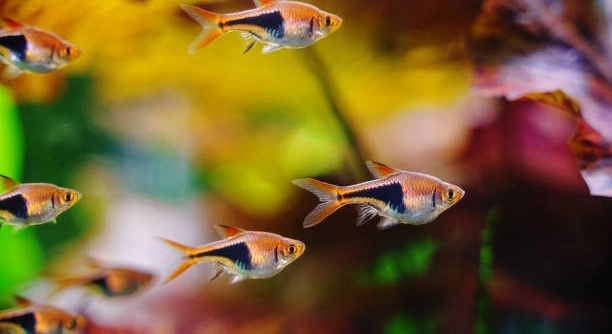
Do you enjoy keeping rasboras in your aquarium but wonder how often they need to be fed? Feeding these small, lively fish correctly is important for their health and well-being. Getting the right feeding schedule helps maintain a balanced tank environment.
Rasboras should generally be fed once or twice daily with small portions that they can consume within a few minutes. Overfeeding can cause water quality issues and harm their health, so careful portion control is essential for their optimal care.
Proper feeding habits support your rasboras’ vitality and keep your aquarium clean. This guide will help you establish a feeding routine that benefits your fish and their habitat.
Understanding Rasbora Feeding Needs
Rasboras are small, active fish that require a diet suited to their size and energy levels. They thrive on tiny, frequent meals rather than large quantities at once. Their natural diet includes small insects and plankton, so providing similarly sized food in the aquarium is important. Feeding them once or twice daily with high-quality flakes, micro pellets, or frozen foods like daphnia and brine shrimp meets their nutritional needs well. It’s important not to overfeed, as leftover food can pollute the tank and cause health issues. Observing how quickly your rasboras eat helps determine the right portion size. Healthy rasboras display vibrant colors and active behavior, signs that feeding is on track. Adjusting the feeding amount according to their activity and tank conditions supports their well-being.
Feeding your rasboras properly means paying attention to portion size and frequency. Small, consistent meals prevent overfeeding and maintain water quality.
Regular monitoring of your fish’s eating habits helps ensure their diet remains balanced and appropriate. Overfeeding can lead to obesity and poor water conditions, while underfeeding affects growth and vitality. Offering varied food types encourages balanced nutrition. Avoid feeding just once a day if the portions are large; smaller, more frequent meals mimic natural conditions better. A clean tank and healthy fish reflect good feeding practices. Keeping this balance is key to long-term care of rasboras.
Signs of Overfeeding and How to Prevent It
Overfeeding rasboras can cause uneaten food to settle and decay, reducing water quality quickly.
It’s essential to feed only what they consume within a few minutes and remove excess food to avoid algae buildup and harmful bacteria growth.
If your rasboras appear lethargic or the tank water becomes cloudy, it might indicate overfeeding. Uneaten food leads to excess nutrients, which can trigger algae and ammonia spikes. These conditions stress fish and increase the risk of disease. To prevent this, feed small amounts and observe their eating speed. Adjust portions if food remains uneaten. Regular tank cleaning and water changes also help manage the effects of occasional overfeeding. Developing a routine that fits your tank’s size and fish population supports both health and water clarity. Maintaining this balance keeps your aquarium stable and your rasboras thriving.
Best Foods for Rasboras
Rasboras thrive on a varied diet that includes flakes, micro pellets, and live or frozen foods like brine shrimp and daphnia. This variety ensures they get essential nutrients.
Flake foods designed for small tropical fish provide a good nutritional base. However, supplementing with frozen or live foods helps replicate their natural diet and promotes healthy growth. Foods like brine shrimp and daphnia are rich in protein and easy for rasboras to eat. Avoid large pellets, which can be difficult for them to consume. Mixing dry and live food types supports their energy and coloration. Feeding a balanced diet prevents nutritional deficiencies and encourages vibrant, active fish.
Offering variety in your rasbora’s diet helps prevent boredom and boosts their immune system. Regularly rotating food types ensures they receive all necessary vitamins and minerals, which supports overall health and longevity.
Feeding Frequency Adjustments Based on Environment
Feeding frequency can vary depending on the size of your tank and number of fish. Larger tanks with more plants may require less frequent feedings.
In a heavily planted aquarium with many rasboras, natural food sources like algae and microorganisms supplement their diet. This means you can feed them slightly less often, focusing on small, nutritious portions. In smaller or less natural tanks, feeding once or twice a day is necessary to meet their dietary needs fully. Water temperature and activity level also influence how often you should feed them—warmer water often means higher metabolism and more frequent feedings. Observing your fish and tank conditions helps you fine-tune the feeding schedule to keep your rasboras healthy and active.
Adjusting Feeding for Baby Rasboras
Baby rasboras need smaller, more frequent meals than adults. Their tiny mouths require finely crushed or specialized fry food.
Feeding young rasboras three to four times daily supports their rapid growth. Overfeeding can be harmful, so only offer what they eat quickly.
Avoiding Common Feeding Mistakes
Feeding too much or too little are the most common errors. Both can cause health problems and affect tank cleanliness. Maintaining consistent portion control is key.
Using Feeding Tools
Using tools like small tweezers or feeding rings helps control portions and prevents food from spreading across the tank, reducing waste.
Importance of Water Quality
Clean water is essential for healthy rasboras. Uneaten food and overfeeding lead to poor water quality, stressing the fish and promoting disease.
FAQ
How much should I feed my rasboras at one time?
Rasboras should be fed small amounts that they can finish in about two to three minutes. Overfeeding can harm their health and pollute the tank. Start with a pinch of flakes or a few pellets, and watch how quickly they eat. Adjust the amount to avoid leftovers.
Can I feed my rasboras only flakes?
While flakes provide basic nutrition, relying on them exclusively is not ideal. Including live or frozen foods like brine shrimp or daphnia helps mimic their natural diet. This variety supports their growth, color, and immune system.
How often should baby rasboras be fed?
Baby rasboras need more frequent feedings, usually three to four times per day. Their small mouths and fast metabolisms require tiny, nutritious meals. Use finely crushed flakes or specialized fry food to ensure they can eat properly.
What happens if I overfeed my rasboras?
Overfeeding leads to uneaten food settling in the tank, which decomposes and releases harmful substances like ammonia. This stresses the fish, causes water quality issues, and may lead to disease or algae blooms.
Is it okay to feed rasboras once a day?
Feeding once a day can be sufficient if the portion is small and fully eaten. However, feeding twice daily with smaller amounts is better to maintain stable water conditions and meet their energy needs.
Can I feed my rasboras live food only?
Feeding live food exclusively is not recommended. Live food is rich in nutrients but lacks some vitamins and minerals flakes or pellets provide. A balanced diet combining dry and live foods is best.
Should feeding frequency change with seasons?
Yes. Rasboras’ metabolism slows in cooler water, so feeding less often or smaller amounts during colder months is appropriate. In warmer water, they may need more frequent feedings.
How can I tell if my rasboras are hungry or full?
Hungry rasboras actively swim toward food and quickly eat what’s offered. If they ignore food or swim away, they might be full. Observing their behavior helps adjust feeding amounts and timing.
Can feeding affect rasbora coloration?
Yes. Foods rich in carotenoids and natural pigments help enhance rasbora colors. Offering a mix of live or frozen foods along with quality flakes supports vibrant coloration.
What should I do if I accidentally overfeed?
Remove any uneaten food quickly to avoid water pollution. Perform a partial water change if water quality drops. Monitor your fish for signs of stress or illness, and adjust feeding schedules to prevent future overfeeding.
Is it necessary to fast rasboras occasionally?
Occasional fasting, such as skipping one feeding per week, can help clear their digestive systems. However, this should be done carefully and not too often, especially with young or sick fish.
How does tank size affect feeding?
In larger tanks, natural food sources like algae and microorganisms may reduce the amount of supplemental feeding needed. In smaller tanks, more frequent feedings help maintain fish nutrition.
Can rasboras eat plant-based foods?
Rasboras are primarily omnivores but prefer protein-rich diets. Small amounts of plant-based food, such as spirulina flakes, can be included but should not replace animal-based foods.
What feeding tools are recommended?
Small feeding rings or tweezers help control portions and prevent food from spreading and wasting in the tank. This keeps water cleaner and reduces the risk of overfeeding.
How important is water quality in feeding routines?
Water quality is crucial. Feeding produces waste, so removing uneaten food and performing regular water changes keeps the tank healthy. Poor water conditions stress fish and can cause illness.
These answers address common concerns to help you feed your rasboras effectively, ensuring they stay healthy and active in your aquarium.
Feeding rasboras properly is a key part of keeping them healthy and happy in your aquarium. These small fish need careful attention to their diet, with small, frequent meals that suit their size and natural habits. Overfeeding or underfeeding can cause problems, so finding the right balance is important. Offering a mix of quality flakes, pellets, and live or frozen foods helps meet their nutritional needs and supports their growth and coloration. Watching how your rasboras respond to feeding and adjusting portions accordingly will improve their well-being over time.
Maintaining good water quality goes hand in hand with feeding routines. Uneaten food can quickly pollute the tank, creating harmful conditions for your fish. Regularly removing leftovers and performing water changes helps prevent buildup of toxins and keeps the environment stable. A clean tank supports the health of rasboras and all aquarium inhabitants. Keeping feeding sessions short and controlled also reduces waste, which benefits the overall aquarium balance. Feeding your fish responsibly contributes to a thriving and peaceful tank.
Every aquarium is different, so feeding schedules and amounts may need some adjustment based on your tank size, number of fish, and water conditions. Observing your rasboras’ behavior and physical condition is the best way to know if their diet is working well. Healthy rasboras are active, colorful, and show interest in food. If you notice changes, such as lethargy or faded colors, reconsider feeding habits or water quality. Consistency and attention to detail will help you provide the best care for your rasboras in the long run.

Hello,
If you enjoy the content that we create, please consider saying a "Thank You!" by leaving a tip.
Every little bit helps us continue crafting quality advice that supports the health, happiness, and well-being of pets around the world, for pets of all shapes, sizes, and species.
We really appreciate the kindness and support that you show us!