
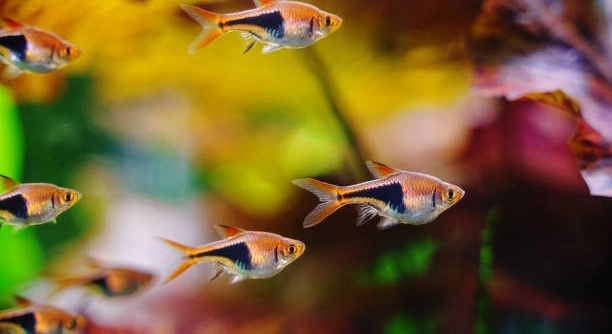
Rasboras are small freshwater fish often found in home aquariums. Their behavior can be surprisingly interesting and shows various social and survival traits. Learning about these behaviors can help aquarium owners better care for them.
Rasbora behavior includes schooling, territorial displays, and specific feeding habits. These fish often swim in groups to avoid predators and communicate through body language and color changes. Their interaction patterns contribute to their survival and social structure.
Understanding these behaviors helps improve aquarium setups and ensures a healthier environment for rasboras. Their actions reflect more than just movement—they reveal complex social dynamics worth observing.
Schooling Behavior of Rasboras
Rasboras are known for their schooling behavior, which means they swim together in groups. This is a natural instinct that helps protect them from predators. When swimming in a group, it becomes harder for a predator to target a single fish. Schooling also helps rasboras find food more efficiently by following each other to feeding spots. In an aquarium, keeping rasboras in groups of six or more encourages this natural behavior. When isolated, they may become stressed or shy, which affects their health. Observing a school of rasboras can be calming, as their synchronized movements create a smooth flow in the tank. This behavior also supports their social needs. Each fish responds to subtle changes in speed or direction within the group, showing how closely connected they are. A proper school size supports their wellbeing and reduces aggression among tank mates.
Schooling reduces stress and mimics natural environments, promoting healthier and more active rasboras.
When kept in proper groups, rasboras display lively movement and social interaction. Their schooling helps balance tank dynamics, minimizing territorial disputes and encouraging feeding cooperation. This behavior also makes them a visually appealing addition to any aquarium. Watching a healthy school of rasboras highlights their natural instincts and promotes a peaceful community tank.
Territorial Displays and Communication
Rasboras use specific movements and color changes to show territory or communicate with other fish.
Territorial displays are common during breeding or when defending space. Males often show brighter colors and engage in chasing behavior to warn rivals. These signals help prevent serious fights by establishing boundaries. Color changes can indicate mood or readiness to mate. Rasboras also use body posture to communicate stress or curiosity. These behaviors are subtle but important for maintaining social order. Recognizing these signals helps aquarium keepers manage tank conditions and reduce conflicts. Providing enough space and hiding spots can limit aggressive encounters. Understanding territorial behavior also aids in selecting compatible tank mates. Overall, rasboras’ communication methods support a stable environment and improve their quality of life in captivity.
Feeding Habits and Patterns
Rasboras prefer small, frequent meals rather than one large feeding. They mainly eat tiny insects and plant matter in the wild.
In captivity, they enjoy flake food, micro-pellets, and live or frozen foods like daphnia or brine shrimp. Feeding small amounts two to three times a day mimics their natural eating patterns and keeps them active. Overfeeding can lead to water quality issues and health problems, so controlling portions is important. Rasboras often compete for food but rarely become aggressive, making feeding time interesting to watch.
They tend to feed near the water’s surface or mid-level, reflecting their natural preference for catching floating insects. Observing their feeding helps gauge their health and behavior. Varied diets support their coloration and vitality, ensuring they stay lively and well-nourished.
Interaction with Tank Mates
Rasboras generally get along well with peaceful tank mates and avoid aggressive fish.
Choosing compatible companions is crucial to prevent stress or bullying. Ideal tank mates include small tetras, peaceful gouramis, and bottom-dwellers like corydoras. Avoid larger or territorial fish that may intimidate or harm rasboras. Providing plenty of hiding spots helps reduce stress during interactions. Healthy social dynamics in the tank encourage natural behavior and reduce fighting. Watching rasboras interact with others shows their calm and cooperative nature. Proper selection of tank mates supports a balanced, peaceful aquarium environment where all fish thrive comfortably.
Breeding Behavior
Rasboras display specific behaviors when breeding, including color changes and increased activity. Males become more vibrant and may chase females gently.
Spawning usually takes place among plants or fine-leaved vegetation. After eggs are laid, parents often do not guard them, so protecting the eggs is important in captivity.
Response to Environment Changes
Rasboras react quickly to changes in water temperature, pH, and lighting. Sudden shifts can cause stress or hiding behavior.
Maintaining stable water conditions helps rasboras stay healthy and active. They thrive best in slightly acidic to neutral water with moderate temperature.
Use of Coloration
Color changes in rasboras are signals used for communication, mood, and mating readiness.
Bright colors often indicate health and readiness to breed, while duller tones may suggest stress or illness.
Resting Habits
Rasboras rest near plants or tank corners, often slowing their movements. This behavior is normal and helps them conserve energy.
FAQ
How many rasboras should I keep together?
Rasboras are schooling fish, so keeping at least six together is recommended. Smaller groups can cause stress and shy behavior. A group of six or more allows them to show natural schooling behavior, which supports their wellbeing and reduces aggression.
What do rasboras eat?
Rasboras eat small insects, crustaceans, and plant matter in the wild. In aquariums, they thrive on flake food, micro-pellets, and live or frozen foods like brine shrimp or daphnia. Feeding small portions multiple times a day is best to mimic their natural feeding habits.
Can rasboras live with other fish?
Yes, rasboras do well with peaceful tank mates such as small tetras, gouramis, and bottom-dwellers like corydoras. Avoid aggressive or large fish, as these can stress or harm rasboras. Proper tank mate selection helps maintain a calm and balanced aquarium.
How do rasboras communicate?
Rasboras communicate mainly through body movements and color changes. Color brightening often signals readiness to breed or territorial displays. Subtle shifts in swimming patterns can show stress, curiosity, or social signals within the school.
What water conditions do rasboras need?
Stable water conditions are essential. They prefer slightly acidic to neutral pH (6.0-7.0) and temperatures between 72°F and 79°F (22°C to 26°C). Sudden changes can cause stress, so maintaining consistent parameters is important for their health.
How do rasboras behave during breeding?
Males become more colorful and active, chasing females gently. Spawning usually happens near plants or fine-leaved vegetation. Parents typically do not guard the eggs, so eggs should be protected to improve survival chances.
Do rasboras rest or sleep?
Yes, rasboras rest quietly near plants or tank corners. Their movement slows down, which is normal behavior to conserve energy. Providing shaded areas or plants allows them to feel secure while resting.
Why do rasboras school?
Schooling helps protect them from predators by confusing attackers and making it difficult to single out one fish. It also supports social interaction and efficient feeding. In captivity, schooling behavior promotes their wellbeing and reduces stress.
What signs show a healthy rasbora?
Bright coloration, active swimming in groups, and regular feeding are good signs. Healthy rasboras respond to food quickly and show curiosity. Dull colors, sluggishness, or hiding may indicate stress or illness.
How can I reduce aggression in a rasbora tank?
Keep them in proper school sizes and provide plenty of space and hiding spots. Avoid aggressive species and overcrowding. Regular water changes and stable conditions also reduce stress, which helps minimize aggressive behavior.
Final Thoughts
Rasboras are small fish with interesting and natural behaviors that make them a popular choice for many aquarium owners. Their schooling habits, communication through color and movement, and peaceful nature create a calm and engaging environment in a tank. Understanding these behaviors helps in providing better care and creating a suitable habitat that supports their natural instincts. Watching a healthy group of rasboras swim together is rewarding, showing the balance between their social and survival needs.
Providing the right environment is essential for rasboras to thrive. This includes keeping them in groups, feeding them a varied diet, and maintaining stable water conditions. Their behavior can change when stressed, so recognizing signs like color dulling or hiding is important. Adding plants and decorations that mimic their natural habitat helps reduce stress and encourages natural behaviors such as breeding and resting. Good tank mates and a peaceful community also contribute to their wellbeing and overall happiness.
Taking care of rasboras is straightforward once their behavior is understood. Simple steps like regular feeding schedules, monitoring water quality, and respecting their social needs make a significant difference. Rasboras may seem small and delicate, but they have complex behaviors that reflect their needs and health. Paying attention to these details not only ensures their survival but also enriches the aquarium experience by allowing owners to observe and appreciate these subtle yet fascinating behaviors.

Hello,
If you enjoy the content that we create, please consider saying a "Thank You!" by leaving a tip.
Every little bit helps us continue crafting quality advice that supports the health, happiness, and well-being of pets around the world, for pets of all shapes, sizes, and species.
We really appreciate the kindness and support that you show us!