
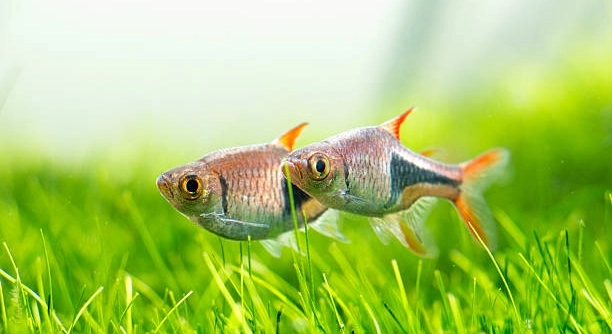
Do your rasboras suddenly dart around the tank, making you wonder if something is wrong or if they’re just playing?
Rasboras often dart around the tank due to stress, sudden changes in water conditions, or perceived threats. This behavior is typically a response to environmental factors or social dynamics within the tank that trigger an instinctive reaction.
There’s more to this fast swimming than just random bursts of energy, and it often signals something about their environment or health.
Common Reasons Rasboras Dart Around
Rasboras are small, active fish, and quick movements are part of their natural behavior. However, constant darting can signal something deeper. A sudden burst of movement usually happens when they feel threatened, startled, or uncomfortable. Common triggers include sudden tank vibrations, tapping on the glass, or drastic light changes. Poor water quality is another key reason. Ammonia spikes, low oxygen, or incorrect temperature can make rasboras restless. If other fish are aggressive or the tank is overcrowded, rasboras may react by darting to escape. This behavior is their instinctive way of coping with stress and trying to stay safe. Ensuring stable water parameters, soft lighting, and a peaceful environment can reduce these episodes. Live plants and hiding spots also help them feel more secure. Even changes in routine like feeding times or water changes can cause temporary darting, but it should settle once they adjust.
Start by observing when and how often the darting happens.
If the darting is frequent or paired with other signs like gasping or faded color, it’s time to check your tank conditions. Test the water and look for any signs of bullying or illness. Sudden, repeated darting is usually a signal that something needs adjusting in their surroundings.
How to Help Calm Your Rasboras
Give them a quiet, low-stress environment to thrive in.
A calm tank starts with stable water conditions. Test for ammonia, nitrites, and nitrates regularly and keep the temperature between 72–78°F. Sudden fluctuations in parameters can shock your rasboras, leading to anxious darting. Adding live plants helps create shaded areas where they can rest and feel safe. Gentle filtration is also important—rasboras dislike strong currents. Keep tank mates peaceful and avoid species that chase or nip. Sudden lighting changes can also startle them, so switch lights on and off gradually. Feeding them consistently with high-quality food will help them feel secure and promote better behavior. If you just introduced them to a new tank, allow them a few days to adjust. Minimize loud noises around the aquarium and avoid tapping on the glass. By making small changes and watching their reactions, you’ll slowly create a more relaxed space for your rasboras to swim comfortably and confidently.
Signs That the Darting Is a Problem
If your rasboras dart occasionally and settle quickly, it’s usually nothing to worry about. But if they do it often and seem panicked, it may point to stress or something off in the tank environment that needs your attention.
Watch for other signs alongside darting—like rapid gill movement, hiding more than usual, clamped fins, or changes in color. These can indicate poor water conditions, illness, or constant stress. Also check if other fish are chasing or nipping at them. Sometimes, rasboras may also stop eating when they’re uncomfortable. Keep an eye on how long the behavior lasts. If it goes on for more than a few days and seems to be increasing, something is definitely bothering them. When the environment is right, rasboras usually swim calmly in schools. Sudden solo darting is not a normal part of their routine and needs attention before it affects their overall health.
Start by testing your water for ammonia, nitrites, and nitrates. Look at the thermometer and make sure the temperature is steady. Observe tank mates closely—some fish may not be aggressive in general, but their fast swimming or territorial habits can stress out rasboras. Also, check for strong currents or too much light. All of these can add up and lead to frequent darting. Changing several things at once isn’t recommended. Make one small change at a time and give it a day or two before adjusting something else. This will help you figure out what’s bothering them without making things worse.
When Darting Is Normal
Short bursts of darting during feeding time or when startled by a shadow or sudden noise are very common. Rasboras are quick, schooling fish that often zip around playfully or while exploring new spots in the tank.
If the darting happens right after a water change or when lights are turned on, it’s usually a temporary reaction. Rasboras are sensitive to their surroundings, so even minor changes can cause a short burst of movement. They may also dart as part of their social behavior—especially in groups. It’s not unusual for them to chase each other gently or react quickly to nearby movement. These moments usually pass fast and don’t affect their appetite or color. As long as they return to their usual swimming patterns and group behavior afterward, it’s a normal part of how they interact. Pay attention to their rhythm; they’re active fish, but not chaotic.
Quick Fixes to Try
Turn off any bright overhead lights and give the tank some shade. Lower the noise level around the tank and avoid tapping the glass. These small changes often help rasboras feel more at ease right away.
Add more plants or decorations so they have places to hide. Rearranging the tank slightly can also help distract them and break up stress patterns. Simple tweaks like these can quickly calm active darting.
Long-Term Adjustments That Help
Stick to a regular maintenance routine. Weekly water changes, filter checks, and keeping track of parameters go a long way in keeping rasboras calm. Make sure their tankmates are peaceful and not too active. A group of at least six rasboras helps them feel more secure since they are schooling fish. Avoid sudden changes in temperature or lighting. Feed them on a schedule, and don’t overfeed—they feel more relaxed when they know what to expect. Providing a steady environment with soft lighting, gentle water flow, and hiding spots is key. It’s less about making big changes and more about creating consistent comfort.
When to Ask for Help
If darting continues after you’ve made changes, or if they show other symptoms, it’s best to check with a vet or aquarium expert.
FAQ
Why do my rasboras dart around right after a water change?
Rasboras are sensitive to sudden changes in their environment. A water change can shift temperature, pH, or other parameters even slightly, and that can be enough to startle them. If the new water is cooler, warmer, or has different hardness, they may dart as a stress response. Always match the new water to the tank’s current conditions as closely as possible. Also, avoid pouring water directly into the tank—use a gentle flow instead. Let them settle for a bit after the change, and the darting usually stops within a short time.
Is darting ever a playful behavior in rasboras?
Yes, sometimes darting is completely normal and even playful. Rasboras are active fish and often chase each other gently, especially when they feel comfortable in their environment. During feeding or just before lights go out, they may become more lively. This type of darting is usually short and doesn’t seem frantic or panicked. If their colors stay bright, they swim in a group, and they’re eating well, then the behavior is likely harmless. Watch their body language and swimming patterns—they’ll let you know when they’re stressed versus just being active.
Can rasboras be stressed by other fish even if there’s no fighting?
Absolutely. Rasboras are peaceful, and even the presence of larger or more active fish can cause stress. Some fish don’t nip or fight but still move quickly or take over parts of the tank, which can make rasboras feel unsafe. Darting is sometimes a response to this quiet pressure. Keep them with calm tank mates like small tetras, corydoras, or other gentle fish. If darting stops after rehoming a particular tank mate or changing the layout to provide more hiding spots, then that fish was likely the source of their discomfort.
How can I tell if poor water quality is causing the darting?
Check for signs like gasping at the surface, clamped fins, faded colors, or hiding more than usual. If darting comes with any of these, water quality could be the issue. Use a test kit to check ammonia, nitrites, nitrates, and pH. Even small spikes in ammonia or nitrites can stress rasboras and cause sudden bursts of movement. Clean the filter regularly (without removing beneficial bacteria) and do weekly water changes. A tank that looks clear can still have issues you can’t see, so testing is always better than guessing.
Do rasboras dart more when they’re kept alone or in small groups?
Yes. Rasboras are schooling fish and feel safest in groups of six or more. When kept alone or in very small numbers, they often become nervous and show signs of stress, like darting or hiding. A proper group helps them feel secure and behave more naturally. In larger groups, they tend to move together, explore calmly, and show brighter colors. If you notice that darting improves after adding more rasboras, it’s a good sign they were just feeling insecure without their group.
Could light or noise from the room cause darting?
Yes, light changes and sudden noises can easily startle rasboras. Bright room lights turning on suddenly or shadows passing by can scare them. The same goes for loud TVs, speakers, or foot traffic near the tank. Try using dimmer tank lighting and placing the aquarium somewhere with a steady environment. Using a tank light with a timer helps keep their lighting routine predictable. Covering part of the tank with plants or background paper can also block movement from outside the tank, making them feel more at ease.
Is darting ever linked to illness?
In some cases, yes. If darting is paired with scratching against objects, heavy breathing, bloating, or other changes in behavior, illness may be involved. Parasites, bacterial infections, or internal issues can all lead to discomfort that shows up as darting. Quarantine any new fish before adding them to the main tank to prevent spreading disease. If you suspect something more than stress, observe closely and consult an aquarium vet or experienced fish keeper. Catching health problems early makes a big difference in treatment and recovery.
How long should it take for darting to stop after fixing the problem?
It depends on what caused the behavior. If it’s from a recent change like water temperature or a loud noise, rasboras may calm down within a few hours. But if the stress has been ongoing, like poor water quality or aggressive tank mates, it might take a few days to a week for them to feel safe again. Continue watching them closely and keep the tank conditions steady. Once they feel secure, they should return to swimming smoothly and sticking with their group like usual.
Final Thoughts
Rasboras are peaceful and active fish that can bring a lot of life to your tank. When they dart around suddenly, it’s usually a sign that something in their environment has changed or isn’t quite right. This behavior can be caused by poor water conditions, sudden noises, bright lighting, or even stress from other fish. In some cases, darting is harmless and part of their natural behavior. But when it happens often or seems frantic, it usually means something is bothering them. Paying attention to when and how often they dart can help you figure out what’s going on.
Creating a calm, stable tank is one of the best things you can do for rasboras. Keep their water clean, use soft lighting, and avoid sudden changes. Make sure they have enough hiding spots and that the tank is not overcrowded. It also helps to keep them in groups of at least six, since rasboras are schooling fish and feel safer together. Gentle tank mates, live plants, and a steady routine all help reduce stress. These small steps add up and make a big difference in how your rasboras behave and feel. If darting continues even after making these changes, it may be a good idea to reach out to a vet or aquarium expert.
Watching your rasboras swim calmly in a group is a sign they feel safe and comfortable. Occasional darting during feeding or when startled is normal and nothing to worry about. But if it becomes a regular pattern, it’s worth taking a closer look at their setup. Most of the time, darting can be fixed with a few simple adjustments. It’s not always about doing something big—just keeping things consistent and balanced. Rasboras respond well to care and attention, and once they feel secure, their true behavior will shine through. Staying patient and observant will help you keep your rasboras healthy, calm, and active in a way that feels natural for them.

Hello,
If you enjoy the content that we create, please consider saying a "Thank You!" by leaving a tip.
Every little bit helps us continue crafting quality advice that supports the health, happiness, and well-being of pets around the world, for pets of all shapes, sizes, and species.
We really appreciate the kindness and support that you show us!