
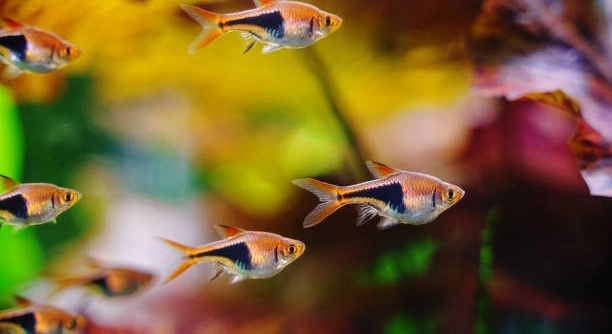
Many aquarium owners enjoy keeping rasboras for their vibrant colors and peaceful nature. Sometimes, these small fish seem to vanish without a trace, causing concern and confusion among their caretakers. Understanding why this happens can help prevent future losses.
Rasboras can disappear due to a variety of reasons including stress, illness, poor water conditions, predation, hiding behavior, inadequate tank size, or accidental death. Each factor affects their survival and visibility differently, often requiring specific care adjustments to address.
Recognizing these causes will help improve your tank’s environment and support the health of your rasboras over time. This article explains the main reasons behind their disappearance and how to respond effectively.
Stress and Its Effects on Rasboras
Stress is one of the main reasons rasboras disappear from the tank. Changes in water temperature, poor water quality, or sudden movements around the aquarium can stress these delicate fish. When stressed, rasboras may hide more often or become lethargic. Over time, stress weakens their immune system, making them more vulnerable to diseases. It is important to maintain stable water conditions and avoid loud noises or sudden disruptions near the tank. Providing plenty of plants and hiding spots can help rasboras feel safe and less anxious. Monitoring the tank regularly for any changes will also prevent unnecessary stress. Taking these simple steps can significantly improve the well-being of your fish.
Stress can cause rasboras to hide or die quietly without showing obvious signs. Keeping a calm environment helps reduce stress and improves their survival.
Regular maintenance, such as water changes and temperature checks, helps keep stress low. Avoid overcrowding the tank and provide a peaceful setting. Adding plants not only enhances the tank visually but gives rasboras places to retreat when feeling threatened. Gentle feeding routines and avoiding sudden light changes also play a role. Recognizing early signs of stress allows prompt action before the fish vanish or fall ill. Keeping stress under control ensures healthier and more visible rasboras in your aquarium.
Poor Water Quality
Poor water quality directly impacts the health of rasboras. Accumulated waste, leftover food, and toxins like ammonia can build up if the tank is not cleaned regularly. Rasboras are sensitive to these conditions and will either hide or die if the water becomes harmful. It’s important to test the water frequently for pH, ammonia, nitrite, and nitrate levels to ensure they stay within safe limits. Using a good filtration system and performing regular partial water changes are essential practices. Neglecting water quality stresses the fish and can lead to rapid health decline.
Poor water conditions quickly affect rasbora behavior and survival, making maintenance crucial.
Maintaining clean water involves a weekly routine of checking parameters and removing debris. Filters should be cleaned carefully without removing beneficial bacteria. Avoid overfeeding to reduce excess waste. When water quality is stable, rasboras show more activity and color. This care helps prevent disappearance caused by toxic water environments. Consistency in tank upkeep supports a healthy habitat, reducing the risk of illness and loss. Proper water quality management is one of the most effective ways to keep rasboras thriving and visible in the aquarium.
Predation by Tank Mates
Predation is a common reason for rasboras disappearing. Larger or more aggressive fish may see them as food. Even if not eaten immediately, constant chasing causes stress and hiding.
Tank mates should be chosen carefully to prevent predation. Avoid aggressive or large fish that can harm rasboras. Small, peaceful species are better companions. Providing plenty of plants and hiding spots reduces risk by giving rasboras safe spaces. Monitor interactions closely to ensure all fish coexist peacefully. If predation is suspected, separating rasboras into a safer tank may be necessary.
Preventing predation involves choosing compatible species and creating an environment that supports peaceful behavior. Proper tank setup and supervision help maintain a balanced community where rasboras can thrive without fear.
Hiding Behavior
Rasboras often hide when they feel threatened or uncomfortable. This natural behavior helps them avoid danger but can make them seem to disappear from the tank. Dense plants, decorations, or dark corners encourage this hiding.
Hiding is usually temporary but may become prolonged if the environment is stressful or unsuitable. Inadequate lighting, poor water conditions, or aggressive tank mates can increase hiding. Ensuring proper tank conditions, calm surroundings, and ample cover helps rasboras feel secure enough to come out. Regular observation allows you to detect if hiding signals a deeper issue needing attention.
Encouraging rasboras to be visible requires balancing their need for safety with an environment that is welcoming and stable. Proper care reduces excessive hiding and promotes healthy activity.
Inadequate Tank Size
A tank that is too small limits rasboras’ swimming space and can cause stress. They need enough room to school and move freely.
Overcrowding worsens the problem, leading to poor water quality and aggressive behavior. Providing a properly sized tank helps keep rasboras healthy and visible.
Illness and Disease
Rasboras can become ill from bacteria, parasites, or fungal infections. Sick fish often hide or die without clear symptoms. Early detection is key to treatment and recovery. Quarantining new fish and maintaining clean water reduces disease risks. Regular observation helps catch problems before they worsen, ensuring your rasboras stay healthy and active in the tank.
Accidental Death
Sometimes rasboras die quietly due to unseen causes like sudden temperature changes or shock. They may float or sink without obvious signs. Removing dead fish quickly prevents water contamination and protects others in the tank.
FAQ
Why can’t I see my rasbora even though it’s alive?
Rasboras are naturally shy and may hide when feeling threatened or stressed. Dense plants, decorations, or dark spots in the tank give them places to retreat. This behavior helps them feel safe but can make them hard to spot. Improving tank conditions and reducing stress often encourages them to come out more.
How often should I clean my tank to keep rasboras healthy?
A partial water change of about 20-30% weekly is ideal for maintaining clean water and stable conditions. Regularly removing uneaten food and debris prevents harmful waste buildup. Clean filters monthly, but avoid removing all beneficial bacteria at once. Consistent maintenance reduces stress and disease risks.
Can my other fish be harming my rasboras?
Yes, aggressive or larger fish may bully or eat rasboras. Even constant chasing stresses them out, causing hiding or death. Choose peaceful tank mates and provide plenty of hiding spaces to protect your rasboras. If aggression continues, separating species might be necessary.
What signs show my rasbora is sick?
Look for faded colors, clamped fins, slow movement, or loss of appetite. Rasboras may isolate themselves or hide excessively. White spots, red streaks, or swelling also indicate illness. Early treatment improves chances of recovery, so watch for these changes closely.
Is it normal for rasboras to disappear suddenly?
Sometimes rasboras hide deeply or die quietly without obvious signs. Sudden changes in water quality, temperature, or tank environment can cause this. Regular monitoring and quick action help prevent unexplained losses. Always remove any dead fish promptly to keep the tank healthy.
Can poor water quality cause rasboras to vanish?
Absolutely. High levels of ammonia, nitrites, or nitrates harm rasboras, making them hide or die. Testing water regularly and performing partial water changes keep toxins low. Proper filtration and avoiding overfeeding also maintain good water quality.
How much space do rasboras need?
A minimum of 10 gallons is recommended for a small school of rasboras. They are active swimmers and prefer groups of six or more. Crowded tanks increase stress and illness risk. Larger tanks give them room to swim and reduce aggressive behavior.
What should I do if my rasboras keep hiding?
Check water parameters, tank mates, and environment first. Add plants and decorations for hiding spots, but balance with open swimming space. Reduce sudden movements or noises near the tank. If hiding persists, test for illness or stress factors and adjust care accordingly.
Are all rasbora species the same in behavior?
No, different species vary in size, temperament, and hiding habits. Some are more active and visible, while others prefer dense cover. Knowing your specific species helps tailor care and tank setup to meet their needs.
Can temperature changes cause rasboras to disappear?
Yes, rasboras are sensitive to sudden temperature shifts. Rapid drops or rises cause stress and may lead to hiding or death. Keep the tank temperature stable within their preferred range, usually between 72-78°F (22-26°C).
How can I prevent rasboras from disappearing in the future?
Maintain clean, stable water conditions with proper filtration. Choose peaceful tank mates and provide hiding spots. Monitor fish behavior daily for early signs of stress or illness. Regular care and attention create a safe environment that encourages rasboras to stay healthy and visible.
Is it possible for rasboras to jump out of the tank?
Yes, rasboras sometimes jump, especially if startled or stressed. Always keep a secure lid on the tank to prevent escapes. Sudden loud noises or aggressive tank mates increase this risk.
What food is best for rasboras?
High-quality flakes or small pellets designed for tropical fish work well. Supplement their diet with live or frozen foods like daphnia or brine shrimp to improve health and color. Feed small amounts twice daily to avoid overfeeding and water pollution.
Can lighting affect rasbora visibility?
Too bright or harsh lighting may make rasboras hide more often. Use moderate lighting with shaded areas created by plants or decorations. Proper lighting enhances their natural colors and encourages natural behavior without causing stress.
What should I do if I find a dead rasbora?
Remove it immediately to avoid contaminating the water. Check water parameters and observe other fish for signs of illness or stress. Consider quarantining new fish to prevent disease spread. Investigate possible causes to prevent future losses.
How long do rasboras typically live?
With good care, rasboras can live up to five years. Factors like water quality, diet, and tank conditions influence their lifespan. Consistent attention to their needs helps ensure they live a full, healthy life.
When caring for rasboras, it is important to understand that their disappearance can result from many factors. These small fish are sensitive to changes in their environment, and even small issues can cause them to hide or die without obvious signs. Stress, poor water quality, inappropriate tank mates, or inadequate tank size can all contribute to their sudden absence. Being aware of these reasons helps in creating a stable and safe environment where rasboras can thrive. Regular maintenance and observation are key to preventing problems before they become serious.
Keeping a clean tank with proper filtration and stable water conditions reduces stress and illness in rasboras. Stress is often the root cause behind many health problems and hiding behaviors. Ensuring the tank is not overcrowded and that the fish have enough space to swim freely promotes their well-being. Choosing peaceful tank mates and providing plenty of plants and hiding spots helps rasboras feel secure and reduces the chances of aggressive interactions. Paying attention to their diet and avoiding overfeeding also play important roles in maintaining a healthy aquarium.
It is natural for rasboras to sometimes hide, but extended periods of hiding or sudden disappearance usually signal an underlying issue. Timely action, such as testing water parameters, observing fish behavior, and addressing any illness or environmental problems, will improve their chances of survival. Removing dead fish promptly and keeping the tank clean protects the rest of the community. By following these simple steps and understanding the needs of rasboras, you can enjoy a lively, colorful aquarium with healthy fish that remain visible and active.

Hello,
If you enjoy the content that we create, please consider saying a "Thank You!" by leaving a tip.
Every little bit helps us continue crafting quality advice that supports the health, happiness, and well-being of pets around the world, for pets of all shapes, sizes, and species.
We really appreciate the kindness and support that you show us!