
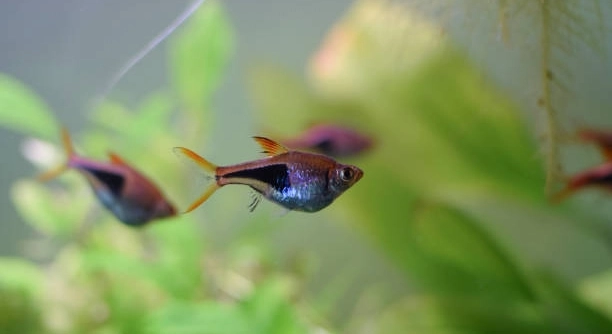
Rasboras are popular small freshwater fish often kept in home aquariums. Many hobbyists want to create the best environment for them to thrive. Water flow is one important factor to consider when setting up their tank.
Rasboras generally prefer slow to moderate water flow rather than fast currents. Their natural habitats tend to have gentle streams or still waters, making strong currents stressful and potentially harmful to their health and behavior.
Understanding how water flow affects rasboras helps ensure they live comfortably and healthily in captivity. This article will clarify the ideal conditions for these delicate fish.
Natural Habitat of Rasboras
Rasboras mostly come from calm, slow-moving waters in Southeast Asia. They are often found in ponds, small streams, and rice paddies where the water flows gently or remains still. These environments provide plenty of plants and hiding spots, offering protection and comfort. The water is usually soft and slightly acidic, with a stable temperature that rarely changes rapidly. When setting up an aquarium, replicating these conditions helps rasboras feel secure and behave naturally. Fast currents are uncommon in their native settings, so strong water flow can cause them stress, making them swim harder and use more energy than necessary. This can lead to health problems and reduce their lifespan. By understanding their natural habitat, aquarists can create a space that supports their well-being and mimics their typical surroundings more closely, which is important for their overall health and happiness.
Their preference for gentle waters should guide aquarium setup decisions to keep them comfortable and healthy.
Adjusting water flow in the tank can be done using filters, flow regulators, or by adding plants and decorations that slow the current. Keeping water movement low to moderate is best for rasboras. A tank with too strong a current can tire them out and reduce their activity levels. Plants and driftwood not only provide shelter but also help break up water flow, creating calm spots for resting. Observing how the fish respond to different flow levels can help fine-tune their environment. Avoiding fast currents is a simple way to maintain a stress-free habitat. Proper water flow ensures better oxygenation without overwhelming the fish, balancing their need for fresh water with their comfort.
Setting Up an Ideal Aquarium Flow
The best flow for rasboras is gentle and consistent. They need water movement to prevent stagnation but not so strong that it forces them to fight the current constantly.
Creating this balance often requires careful filter choice and tank layout. Choosing a filter with adjustable flow settings is helpful. Positioning the filter’s output to face a tank wall or using a spray bar can diffuse the water flow, reducing its intensity. Adding live plants, rocks, or driftwood provides natural barriers that slow water movement and offer resting spots. Regular observation is important to ensure the fish appear relaxed and swim naturally. Watching for signs like clamped fins or constant swimming against the current can indicate flow is too strong. With these adjustments, an aquarium can replicate rasboras’ preferred gentle waters, promoting their health and natural behavior.
Signs of Stress from Strong Currents
Rasboras stressed by strong currents often show physical and behavioral changes. They may struggle to swim or stay in one place. Clamped fins, rapid breathing, and hiding more than usual are common signs. These behaviors indicate discomfort and possible health issues.
When rasboras face strong water flow, their energy use increases as they constantly fight the current. This stress can weaken their immune system, making them more vulnerable to diseases. They may lose appetite or show less active swimming patterns. Over time, prolonged exposure to fast currents can shorten their lifespan. Observing these signs early helps in adjusting the tank environment to reduce stress. It’s important to create calm areas in the tank where rasboras can rest without effort. Using plants or decorations to break the flow allows them to conserve energy and stay healthy. Paying attention to these signals ensures their well-being.
Adjusting water flow to prevent these stress signs improves the fish’s quality of life and promotes natural behavior.
Benefits of Moderate Water Flow
Moderate water flow helps maintain water quality and oxygen levels, which are important for rasboras. It prevents waste buildup and keeps the tank environment healthy.
Water movement also stimulates natural behaviors in rasboras, such as schooling and exploring. Gentle currents mimic the slight movement in their natural habitat, encouraging more active swimming without exhaustion. Moderate flow keeps the water clean by circulating nutrients and preventing dead zones where bacteria can grow. It also aids in gas exchange, supplying oxygen and removing harmful gases. Proper flow enhances filter efficiency, which supports overall tank health. This balance helps rasboras thrive physically and mentally, reducing stress and promoting vibrant colors. A well-maintained flow system results in healthier fish and a more attractive aquarium. Maintaining moderate flow is essential for replicating natural conditions and ensuring long-term success with rasboras.
Adjusting Flow with Plants and Decorations
Plants and decorations help break up water currents naturally. They create calm areas where rasboras can rest without fighting strong flow.
These elements also provide hiding spots, reducing stress and making the aquarium feel more like their natural habitat.
Choosing the Right Filter
Selecting a filter with adjustable flow settings allows precise control of water movement. Filters with spray bars or diffusers spread out the flow to avoid strong currents. This flexibility is essential for creating a comfortable environment for rasboras, as it lets you customize the flow to their needs.
Monitoring Fish Behavior
Regularly observe rasboras to ensure they are swimming comfortably and not showing stress signs related to water flow.
FAQ
Do rasboras need fast-flowing water to stay healthy?
Rasboras do not need fast-flowing water. They thrive in slow to moderate currents that mimic their natural habitat. Strong currents can cause stress and exhaust them, while gentle flow supports healthy swimming and oxygen levels without overwhelming them. A calm environment is better for their overall well-being.
How can I tell if my rasboras are stressed by water flow?
Look for signs like clamped fins, hiding often, or struggling to swim against the current. If they seem tired or stop eating, the water flow might be too strong. Observing their behavior regularly helps catch stress early and allows you to adjust the tank conditions accordingly.
What is the best way to reduce strong currents in an aquarium?
Use plants, rocks, and driftwood to block or slow down the water flow. Positioning the filter outlet towards a wall or using a spray bar to diffuse the water also helps. Filters with adjustable flow settings give more control to maintain a gentle current suitable for rasboras.
Can rasboras live in tanks without any water flow?
While rasboras prefer slow to moderate flow, completely still water is not ideal. Lack of flow can cause low oxygen levels and allow waste to build up, which harms their health. A gentle current is necessary to maintain water quality and keep them comfortable.
Does tank size affect water flow preferences for rasboras?
Yes, tank size matters. Smaller tanks with strong filters can create fast currents that stress rasboras. Larger tanks allow more room for flow to disperse. Always adjust the flow based on tank size and observe how the fish respond to find the right balance.
Are there specific rasbora species that prefer different water flows?
Most rasboras prefer slow to moderate currents, but some species may tolerate slightly faster flow. It’s important to research the specific species you keep. Generally, all rasboras benefit from gentle water movement resembling their natural, calm environments.
How often should I check water flow in my rasbora tank?
Regular checks are important, especially after changing filters or rearranging the tank. Weekly observation of both water flow and fish behavior helps ensure the environment remains suitable. Adjustments can be made quickly if stress signs appear.
Can strong water flow cause health problems for rasboras?
Yes, continuous exposure to strong currents can weaken their immune system, cause physical stress, and reduce lifespan. It may also lead to injuries or fatigue. Keeping flow gentle prevents these issues and supports long-term health.
What role do plants play in managing water flow?
Plants slow down water currents and provide calm zones where rasboras can rest. They also offer shelter and improve water quality by absorbing nutrients. Using dense plant arrangements near filter outputs helps control flow effectively.
Is there a way to measure the ideal water flow for rasboras?
There isn’t a precise measurement, but a good rule is the flow should be enough to keep the water clean without forcing the fish to swim constantly against it. Watching how rasboras swim is the best guide—if they seem relaxed and active, the flow is likely suitable.
Final Thoughts
Rasboras are small fish that do best in calm, gentle waters. Their natural habitats usually have slow-moving or still water, so replicating these conditions in an aquarium is important. Fast-flowing water can cause stress and make it harder for them to swim properly. This stress affects their health and behavior, which is why keeping water flow low to moderate is ideal. Providing a tank environment that matches their natural needs helps rasboras stay healthy and active.
Creating the right water flow involves more than just choosing a filter. It’s important to observe the fish and adjust the flow as needed. Using plants, decorations, and carefully placed filter outputs can help break up the current and create calm areas in the tank. These peaceful zones allow rasboras to rest and hide when they want. A balanced flow also supports good water quality by circulating oxygen and nutrients without overwhelming the fish. Regular monitoring of the tank helps make sure conditions remain comfortable.
Understanding rasboras’ preferences for gentle water movement can improve their overall well-being and lifespan. Setting up an aquarium with slow to moderate flow makes a big difference in their behavior and health. When water flow matches their natural environment, rasboras can swim freely, display their colors, and thrive. Keeping these fish happy requires attention to detail and careful adjustments, but the results are rewarding. A well-maintained tank with the right water flow creates a peaceful and healthy home for rasboras.

Hello,
If you enjoy the content that we create, please consider saying a "Thank You!" by leaving a tip.
Every little bit helps us continue crafting quality advice that supports the health, happiness, and well-being of pets around the world, for pets of all shapes, sizes, and species.
We really appreciate the kindness and support that you show us!