
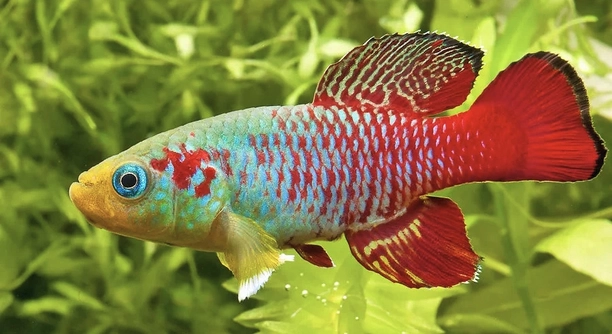
Killi breeding mops are essential tools for fish breeders to provide safe places for eggs. Collecting quality mops helps ensure a successful breeding process. Many enthusiasts seek reliable sources for these specialized items.
The best places to collect killi breeding mops include dedicated aquarium stores, online specialty shops, local fish clubs, breeder communities, hobby forums, fish expos, and trusted breeders. These sources offer varied options to meet different breeding needs effectively.
Knowing where to find the right mops can improve breeding results and simplify care. This article highlights practical options to support your killi breeding efforts.
Aquarium Stores
Aquarium stores are one of the easiest places to find killi breeding mops. Many stores that specialize in fish supplies stock these mops because they are popular among breeders. When you visit, you can see the different types and sizes available. Staff can often offer advice on which mops work best for various killi species. Prices vary, but stores often have affordable options for beginners. Some stores even carry handmade mops, which can be better quality than mass-produced ones. Shopping locally allows you to inspect the product closely before buying. This can help avoid poor-quality mops that may fall apart quickly. Aquarium stores also sometimes carry other breeding supplies, making it convenient to gather everything you need in one trip. If you’re new to breeding, the staff’s guidance can be valuable to ensure you get the right materials.
Buying from aquarium stores supports local businesses and offers immediate access to products. You don’t have to wait for shipping, which can speed up your breeding setup.
Visiting a physical store has advantages beyond convenience. You can ask about mop care and maintenance. Plus, seeing the mops firsthand helps you judge the material’s texture and durability. This personal interaction often leads to better purchasing decisions. Many local stores also build a community around fish breeding, offering occasional workshops or meetups. These gatherings can be useful for sharing tips and learning from others. Finally, if you find a brand or style you like, returning to the same store is easy and reliable for future needs.
Online Specialty Shops
Online specialty shops focus on breeding supplies and often have a wider selection of killi breeding mops. These shops cater to breeders who want specific materials or sizes that might not be available locally. Browsing online allows you to compare different brands, read customer reviews, and choose mops made from high-quality yarns or natural fibers. Many shops provide detailed descriptions and photos to help you make an informed choice. Delivery times vary, but some offer fast shipping or international options. Shopping online can be especially useful if you live in an area without many aquarium stores. Specialty websites sometimes offer custom orders, allowing you to request mops tailored to your breeding setup. With careful selection, these shops can provide reliable, durable mops that improve egg survival rates.
Online specialty shops are a valuable resource for targeted breeding needs and hard-to-find products.
When ordering online, it helps to check the return policy and customer service responsiveness. Reliable sellers often have clear information about their products and support. You might also find kits or bundles that include mops along with other breeding accessories. The ability to read other breeders’ experiences adds confidence in your choice. However, shipping costs and wait times should be considered, especially if you need the mops quickly. Despite this, the convenience and variety make online specialty shops a strong option for serious breeders looking to optimize their setups.
Local Fish Clubs
Local fish clubs often have members who breed killifish and use breeding mops regularly. These clubs can be great places to find mops for sale or trade, often at reasonable prices. Members share knowledge about breeding techniques and recommend reliable mop sources.
Fish clubs provide a community-based way to acquire quality breeding mops. Because members breed various killifish species, they often have extra mops or can point you to trusted makers. Many clubs hold regular meetings, swaps, or auctions where you can obtain mops directly from breeders. This means you get mops that have been tested and proven effective. The direct contact also allows you to ask questions about mop maintenance or tips for your specific species. Joining a local club can improve your breeding experience and connect you with knowledgeable people.
In addition to mops, clubs often organize workshops and events that help beginners learn about breeding killifish. This hands-on support can make the process easier and more successful. Plus, clubs often foster a sharing culture, so you might receive mops as gifts or at discounted rates. Overall, fish clubs combine community support with access to quality breeding tools, making them valuable for anyone serious about killifish breeding.
Breeder Communities
Breeder communities online or offline are reliable sources for collecting killi breeding mops. These communities consist of experienced breeders who understand what works best for different killifish species. Members often share or sell mops tailored for specific breeding needs.
Breeder communities offer more than just mops; they provide advice on how to prepare and care for them. Because members breed killifish regularly, they have firsthand experience with mop effectiveness and durability. Many community members create their own mops, ensuring quality and suitability. These groups often share detailed instructions on making or maintaining mops, helping new breeders avoid common mistakes. Some breeders are happy to sell or trade mops, making it easier to find exactly what you need. Access to such focused knowledge can greatly improve breeding success.
Moreover, breeder communities foster trust among members, often sharing honest reviews about mop materials and brands. This reduces the guesswork when selecting mops. Some communities organize bulk purchases to reduce costs or provide recommendations for local or online suppliers. Being part of these groups helps you stay updated on the best breeding practices and tools. The exchange of resources and advice creates a supportive environment that benefits both beginners and experienced breeders alike.
Hobby Forums
Hobby forums are popular places for killifish breeders to exchange information and resources. Many members offer breeding mops for sale or trade within these online communities.
These forums often have dedicated sections for buying and selling supplies. The advantage is finding mops from breeders who know exactly what is needed for successful spawning.
Fish Expos
Fish expos gather breeders and suppliers in one place, making it easy to find quality killi breeding mops. Vendors often bring a variety of mops, including handmade and specialty options.
Expos also allow direct interaction with sellers, giving you the chance to ask about materials, sizes, and care tips. This immediate access helps ensure you get mops suited to your breeding setup.
Trusted Breeders
Trusted breeders often produce their own breeding mops or source them from reliable makers. Buying from them guarantees quality and suitability for killifish eggs.
What are killi breeding mops and why are they important?
Killi breeding mops are small bundles of yarn or soft material used in breeding killifish. These mops provide a safe place for female killifish to lay their eggs. The eggs attach to the mop fibers, which protect them from being eaten by the adults or damaged by water currents. Using mops mimics the natural spawning environment, improving egg survival rates and making it easier to collect and care for the eggs. Without mops, eggs might scatter or be lost in the tank, reducing breeding success.
How do I choose the right breeding mop for my killifish?
Choosing the right breeding mop depends on the species and breeding setup. Look for mops made from natural or soft synthetic yarn that won’t harm the eggs. Size matters too; smaller mops work well for tiny killifish species, while larger mops suit bigger fish. It’s important the yarn doesn’t have loose threads or harsh fibers. Also, consider the mop’s density: too dense can reduce water flow, while too loose might let eggs fall off. When possible, ask breeders or sellers about the mop’s effectiveness with your specific species.
Can I make my own killi breeding mop at home?
Yes, making your own breeding mop is simple and cost-effective. Use acrylic or wool yarn in a color that contrasts well with the eggs for easy spotting. Cut yarn into 8-10 inch lengths, then tie them together tightly in the center with a piece of yarn or rubber band. Spread out the yarn strands to create a thick, bushy mop. Homemade mops work well and can be customized in size and color. Just ensure the yarn is clean and free of chemicals to avoid harming the eggs.
How do I care for and clean breeding mops?
Breeding mops should be checked regularly to remove any dead or fungus-infected eggs. Gently rinse the mop in tank water or dechlorinated water to keep it clean without harming the eggs. Avoid using soap or harsh chemicals. After the eggs hatch, remove the mop and clean it thoroughly if you plan to reuse it. Keeping mops clean helps prevent mold growth and disease, ensuring healthier fry development.
When should I remove the breeding mop from the tank?
Remove the breeding mop once most of the eggs have hatched or if you notice fungal infections spreading. Leaving the mop in the tank too long can harm developing fry or affect water quality. If you plan to incubate eggs outside the tank, transfer the mop carefully to a separate container. Timing depends on your killifish species’ incubation period, so keep track of when eggs were laid.
Are there specific brands recommended for killi breeding mops?
Several brands are well-regarded for breeding mops, especially those that focus on aquarium supplies or breeding tools. Handmade mops by breeders are often preferred for their quality and durability. However, many breeders find that simple yarn mops work just as well when properly maintained. It’s best to look for reviews or ask within breeder communities to find a trusted brand or source. Quality usually comes from materials used and the mop’s construction rather than a brand name alone.
Can I reuse breeding mops for multiple breeding cycles?
Yes, breeding mops can be reused if cleaned properly between uses. After removing eggs and fry, rinse the mop thoroughly to remove debris and potential pathogens. Allow it to dry completely before placing it back in the tank. Reusing mops saves money and reduces waste. Over time, mops may wear out or become less effective, so inspect them regularly and replace when needed to maintain good breeding conditions.
What materials are safest for breeding mops?
Materials like acrylic and wool yarn are commonly used and considered safe for killifish eggs. Avoid synthetic yarns that shed fibers or contain chemicals. Natural fibers may break down faster but are less likely to harm eggs. It’s important to use clean, untreated yarn that won’t introduce toxins to the water. When in doubt, stick to yarn types that breeders recommend or have proven success with.
How do breeding mops affect fry survival rates?
Breeding mops greatly improve fry survival rates by protecting eggs during incubation. Eggs attached to mops are less likely to be eaten by adult fish and are easier to monitor and transfer if needed. The mop fibers provide a gentle surface for eggs to stick to, reducing damage. This controlled environment increases the chances of healthy fry hatching and growing. Without mops, eggs may scatter and be lost or damaged more easily.
What should I avoid when using breeding mops?
Avoid using mops made from rough or dyed yarns that may release harmful substances. Don’t leave mops in tanks with aggressive fish that might tear them apart. Avoid over-dense mops that reduce water flow, as stagnant water can harm eggs. Also, remove mops promptly once eggs hatch or if fungus appears to prevent spreading infection. Regular monitoring and proper maintenance are key to successful use.
When it comes to breeding killifish, having the right tools can make a big difference. Killi breeding mops are one of those essential tools that help protect the eggs and improve the chances of successful hatching. Finding the best places to collect these mops can save time and effort. Whether you choose to visit local aquarium stores, join fish clubs, or buy from online specialty shops, having access to good-quality breeding mops ensures your breeding setup is ready for healthy eggs. It’s important to pick mops made from safe, soft materials that won’t harm the eggs or fry. Taking care of these mops and replacing them when needed helps keep your breeding tanks clean and safe.
Different sources offer various advantages. Local aquarium stores allow you to see the products firsthand and get advice from knowledgeable staff. Fish clubs and breeder communities provide not just mops, but also valuable guidance and support from people who share your interest in killifish breeding. Online specialty shops give a wide selection and convenience, especially if local options are limited. Fish expos can be great for finding unique or handmade mops while meeting suppliers in person. Trusted breeders often supply high-quality mops tested for effectiveness. Choosing where to get your mops depends on what is most accessible and reliable for you.
Remember that proper maintenance of breeding mops is just as important as finding good sources. Regularly cleaning and inspecting the mops prevents mold and disease, which can threaten eggs and fry. Homemade mops can work well if made from the right materials and cared for properly. Reusing mops is possible but only when they are clean and in good condition. Overall, selecting and maintaining the right breeding mops supports a smooth breeding process and healthier killifish offspring. Keeping these points in mind will help ensure your breeding efforts are both effective and rewarding.

Hello,
If you enjoy the content that we create, please consider saying a "Thank You!" by leaving a tip.
Every little bit helps us continue crafting quality advice that supports the health, happiness, and well-being of pets around the world, for pets of all shapes, sizes, and species.
We really appreciate the kindness and support that you show us!