
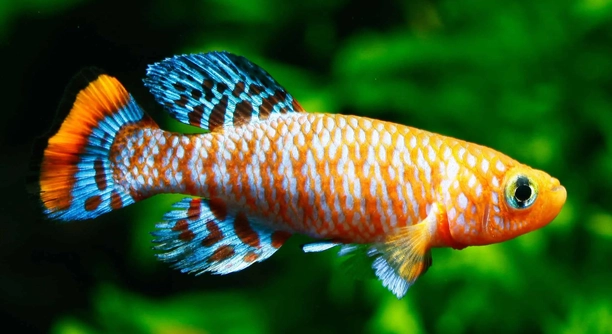
Do your killifish suddenly ignore food that they used to enjoy? This can be worrying, especially when you’re unsure what’s causing the change in behavior. Understanding the reason is the first step toward solving the issue.
Killifish often stop eating due to poor water quality, illness, stress, or dietary problems. Environmental factors, such as sudden temperature shifts or inappropriate tank mates, can also contribute. Identifying the cause quickly is essential for restoring their appetite.
There are several small but important things to check that could be affecting your killifish’s eating habits and overall health.
Check Water Parameters First
Killifish are sensitive to changes in water quality, and even minor imbalances can affect their appetite. Ammonia, nitrite, and nitrate levels should be within safe ranges. A sudden spike or slow build-up of waste products can stress the fish, leading to appetite loss. Use a reliable test kit to check for any irregularities. Temperature also plays a role—water that is too cold or too warm can slow their metabolism. Consistency is key. Sudden fluctuations, even within an acceptable range, can have a negative effect. Maintaining stable, clean water through regular partial water changes and proper filtration helps prevent these problems from starting in the first place. If you notice uneaten food, remove it quickly to avoid further contamination. Keep an eye on pH as well, since an off-balance pH can also affect behavior and appetite. Stable, clean water is one of the most important things for healthy, active killifish.
Test your water immediately if your killifish have stopped eating. It’s one of the fastest and most effective ways to rule out a common issue.
Once the water is tested, take note of any results that are even slightly off. Regular monitoring can prevent appetite loss from becoming a pattern.
Observe for Illness or Injury
Fish that stop eating may be sick. Signs of illness include clamped fins, faded colors, white spots, swelling, or rubbing against surfaces.
Illness affects appetite in nearly all fish, and killifish are no exception. Parasites, internal infections, or fungal issues can all interfere with feeding. Sometimes the signs are easy to spot—such as white spots from ich or visible swelling from dropsy. Other times, the symptoms are subtle. Watch for lethargy, hovering near the bottom, or isolation from other fish. These behaviors often indicate the fish is unwell. If the fish is breathing heavily or showing signs of distress, treatment may be needed quickly. Medications for common fish diseases can be found at most aquarium stores, but it’s important to identify the condition before medicating. Separate sick fish when possible to avoid spreading illness. If the killifish was recently added to a new tank, it could also be a delayed reaction to stress. Always quarantine new fish before introducing them to your main tank.
Monitor Tank Mates and Aggression
Killifish can become stressed if housed with aggressive or overly active tank mates. Stress from bullying or constant chasing often causes them to stop eating and hide more frequently.
Watch how your killifish interact with others in the tank. If a dominant fish is chasing or nipping at them, this can lead to stress and appetite loss. In some cases, the killifish may appear healthy but avoid food simply due to intimidation. Try separating them temporarily to see if their eating habits improve. It’s also important to make sure there’s enough space and hiding spots in the tank. Even peaceful species can become territorial when crowded. A stressed fish may eat again once it feels safe. Use tank dividers if needed to create secure zones. Choosing compatible tank mates from the beginning can reduce this issue long-term.
Aggression is sometimes subtle, like fin flicks or quick darts. These can still be stressful over time. Keep a close eye on daily behavior to catch these signs early and adjust the tank setup if needed. Removing or relocating aggressive fish might be necessary. Killifish do better in calm environments where they don’t feel threatened, especially during feeding time.
Reevaluate Feeding Routine and Diet
Feeding the same food every day can lead to boredom or nutritional gaps. Killifish benefit from variety, including live, frozen, and high-quality dry foods. Some may even prefer specific textures or feeding times.
Try rotating between bloodworms, daphnia, brine shrimp, and micro-pellets. Pay attention to what they seem most interested in. Avoid overfeeding, as uneaten food can spoil quickly and harm water quality. Offer smaller amounts more frequently instead of one large portion. Killifish tend to respond well to live food, which mimics their natural feeding habits. Soaking dry food before feeding may also make it easier for them to digest. If they haven’t eaten for a few days, don’t rush to feed more. Wait until they show interest again. Watch closely during feeding to make sure they’re actually eating and not just mouthing the food.
Changing lighting or feeding location can sometimes help too. Reduce movement around the tank during feeding, especially if the fish seem timid. Some killifish prefer eating near the surface, while others may go after food that sinks slowly. It can take a bit of trial and error to find what works best. Being consistent, observant, and flexible will help restore their appetite.
Check for Recent Environmental Changes
A new filter, rearranged decorations, or changes in lighting can unsettle killifish. Even small adjustments in their surroundings can cause temporary stress that affects feeding behavior.
Loud noises near the tank or changes in room temperature can also play a role. Stability in their environment encourages consistent eating habits.
Consider Breeding Behavior or Aging
Killifish often stop eating during breeding periods, especially males focused on displaying or defending territory. Females may also eat less if they’re carrying eggs. This is usually temporary and should resolve on its own. Older fish may slow down or become more selective with food. Age-related changes in metabolism and energy levels are normal. If you’ve had your killifish for a while, a gradual change in appetite could be related to aging. However, it’s still important to monitor them closely for any additional signs of illness or stress to rule out other issues.
Remove Uneaten Food Promptly
Leftover food decays quickly and harms water quality. It also discourages feeding, especially if the fish associate meals with poor water conditions. Remove anything uneaten after five minutes.
FAQ
How long can killifish go without eating?
Healthy adult killifish can usually go without food for 3 to 5 days without major issues. Some may last up to a week, depending on their condition, age, and activity level. However, it’s not ideal to leave them unfed for that long without a valid reason. If you’re away, an automatic feeder can help. For sick or recovering fish, skipping food might give their system a break, but monitor them closely. If they’re still refusing food after several days, check for underlying problems like water quality or illness.
Do killifish need live food to stay healthy?
Live food is not a requirement, but it’s highly beneficial. Killifish enjoy live food like daphnia, brine shrimp, and mosquito larvae because it stimulates natural hunting behaviors. It also boosts appetite in picky eaters. A varied diet that includes frozen and high-quality dry food can still be nutritionally complete. Some captive-bred killifish adapt well to dry food alone, but wild-caught species usually need live food to thrive. Rotating between types helps keep them interested and ensures a balanced intake. Avoid feeding only flakes or pellets long-term, as this may cause dietary gaps.
What should I do if only one killifish stops eating?
If just one fish stops eating, isolate it for closer observation. This can help reduce stress from tank mates and make it easier to monitor behavior and waste. Check for visible signs of illness or injury, and test your water again. Offer a variety of food types in small amounts. Some fish prefer feeding alone or need more time to adjust. A separate container or quarantine tank can help them recover in a low-stress setting. If symptoms continue, consider consulting an aquatic vet or starting a mild treatment for parasites or infection.
Can changing lighting schedules affect feeding?
Yes, lighting has a big influence on fish behavior, including feeding. Killifish need a consistent day-night cycle to stay active and alert. Sudden lighting changes or bright lights left on too long can throw off their internal rhythm. Try keeping the light on for about 10–12 hours per day, and dim the room during feeding if they seem nervous. Use a timer to maintain regularity. If they’ve recently stopped eating after a lighting change, try returning to your old routine. Fish need stability in their environment to feel safe enough to eat regularly.
Is it safe to treat the tank with medication if a killifish isn’t eating?
Only treat the tank after identifying the most likely cause. Many medications stress fish if used without a clear diagnosis. Start with water changes and observation first. If illness is suspected and symptoms are visible—like white spots, bloating, or frayed fins—use medication specific to the condition. Quarantine is safer than medicating the main tank. Avoid using multiple treatments at once. If you’re unsure, start with gentler options like aquarium salt (if your species tolerates it) or seek guidance from a specialist. Overmedicating can cause more harm than the original issue.
Why does my killifish spit out food?
Spitting out food can mean the food is too large, too hard, or simply not appealing. Try crushing dry pellets or offering softer foods like frozen daphnia or bloodworms. Sometimes it takes a few tries before they decide to eat. If they consistently spit out everything, check their mouth and gills for signs of infection or injury. It may also indicate early signs of illness. Food refusal paired with odd behavior like rapid breathing or flashing should be addressed quickly. Offering live food often helps rekindle their interest in eating.
Final Thoughts
Killifish are beautiful, active fish, but when they stop eating, it’s usually a sign that something isn’t right. While it can be worrying, it helps to stay calm and observe their behavior closely. Appetite loss often starts with a small change—maybe the water parameters are slightly off, maybe the food isn’t appealing anymore, or maybe a tank mate has become too aggressive. The important thing is to take a step-by-step approach and not rush to treat the tank without understanding the cause. Many times, the issue can be corrected with a few simple adjustments.
Start by checking the basics. Make sure the water is clean and stable, and test it regularly with a reliable kit. Watch for signs of illness or stress, and look at how the fish interact with others in the tank. Don’t ignore changes in routine, like moving tank decorations, adding new fish, or even switching lights. These can affect how comfortable your killifish feels, which impacts whether or not it wants to eat. Try to offer a varied diet with small portions of live, frozen, or softened dry food. Keep feeding times consistent and avoid overfeeding, which can lead to more problems.
It’s also helpful to remember that not every case of lost appetite is serious. Some killifish slow down feeding during breeding, aging, or while adjusting to new surroundings. As long as they’re still active and show no other signs of illness, it’s okay to give them a little time. But if the behavior continues or they seem weak, bloated, or isolated, act quickly to find the cause. With patience, observation, and a few small changes, most fish return to their normal feeding routine. Keeping a clean tank, offering the right food, and watching closely can go a long way in keeping your killifish healthy and happy.

Hello,
If you enjoy the content that we create, please consider saying a "Thank You!" by leaving a tip.
Every little bit helps us continue crafting quality advice that supports the health, happiness, and well-being of pets around the world, for pets of all shapes, sizes, and species.
We really appreciate the kindness and support that you show us!