
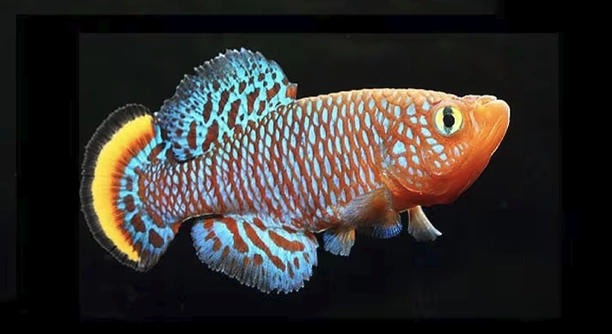
Have you ever had to separate your killifish and now feel unsure about how to bring them back together safely and successfully?
The safest way to reintroduce isolated killifish is by using a slow acclimation process. This includes matching water parameters, gradually reintroducing visual contact, and monitoring behavior closely to prevent territorial aggression or stress-related issues.
Small steps, patience, and the right timing can make all the difference for a peaceful reintroduction and long-term tank harmony.
Preparing the Tank for Reintroduction
Before placing the isolated killifish back into the main tank, it’s important to prepare the environment properly. Start by cleaning the tank and making sure water conditions are stable—this includes temperature, pH, hardness, and ammonia levels. Rearranging plants, rocks, and hiding spots can help break up existing territories and reduce aggression. Consider adding extra cover so all fish have safe zones if they feel threatened. You should also observe the behavior of the current tank mates. If any are overly aggressive or territorial, separate them temporarily. A clean, slightly changed layout with plenty of visual barriers helps keep reintroductions calm. Using a divider for a few days to allow visual contact without physical interaction can also help reduce initial tension. These changes don’t need to be major but should be enough to create a neutral space where no one fish feels ownership over the entire tank.
Remove stressors before adding the isolated fish back in. This includes loud noise, sudden lighting changes, or recent tank cleaning.
Small adjustments go a long way in helping your killifish feel safe, secure, and ready to be around others again. Their comfort starts with a calm and balanced tank.
Monitoring Behavior After Reintroduction
Watch how the killifish interact in the first few hours after reintroduction. Look for any chasing, nipping, or signs of hiding.
The first 48 hours are the most important for observation. Keep the lights dim and avoid feeding for the first few hours to help lower stress levels. When you do feed, scatter the food to avoid competition. If any aggressive behavior begins, consider removing the isolated fish again and trying a slower method like using a breeder box for a few days. Sometimes aggression is temporary and caused by excitement or surprise. Make sure all fish are eating and showing natural behavior by the end of the first day. Keep up with partial water changes every few days to maintain clean conditions. A peaceful reintroduction is possible with consistent monitoring and a willingness to make adjustments. If your fish show signs of stress, such as clamped fins, fast breathing, or color fading, take action early. A calm tank leads to better long-term success.
Reducing Stress During the Process
Stress can quickly lead to illness or aggression in killifish. To keep stress low, dim the lights, avoid loud noises, and maintain a stable temperature throughout the reintroduction process. Keep water clean and handle the fish as little as possible.
Floating the isolated fish in a container inside the main tank for 15–30 minutes helps equalize temperature and gives the fish a chance to observe the environment. After that, you can slowly add small amounts of the main tank water to the container every 5 minutes for the next 20–30 minutes. This gradual mixing helps the fish adjust to any subtle changes in water chemistry. Once the full volume has doubled, gently release the fish into the tank. Avoid chasing it with a net or tipping the container abruptly, as sudden movement can cause panic. The calmer the process, the better the fish adjusts to its new space.
Killifish are sensitive to sudden changes and will respond better to calm, steady surroundings. It’s helpful to cover the sides of the tank with a towel if there’s too much foot traffic nearby. Reducing external distractions gives the fish a chance to focus on adjusting without outside stimulation. Sometimes, soft background noise helps mask sudden sounds. Keep lights dimmed for a day or two, especially if the fish is skittish. Reintroducing during the early evening, when the lights are naturally lower, can also be helpful. Always keep an eye on water parameters during this time. A peaceful environment makes it easier for the fish to adapt without stress-related behaviors or illness.
Signs the Reintroduction Is Going Well
A smooth reintroduction shows in subtle behavior. The isolated fish explores calmly, doesn’t hide constantly, and starts feeding again within a day. It moves freely in the tank without being chased, flaring, or displaying stress-related colors.
If the fish is swimming at a steady pace and interacting with others without tension, that’s a strong sign of comfort. Eating well, maintaining vibrant coloration, and using the full space of the tank show confidence and adjustment. It may still use hiding spots, but not obsessively. You should also see an even spread of swimming between all tank mates—no one fish dominating the others. Occasionally, you’ll notice short chases or pecking, but these are normal if they stop quickly and don’t repeat. Long standoffs or persistent hiding may mean something’s still off. A healthy sign is when the fish shows curiosity without hesitation. Look for active foraging and steady breathing. These details tell you the reintroduction is working.
When things go smoothly, the fish settles in like it was never removed. Every tank is different, and personality plays a role, but the fish should begin showing comfort within 24–48 hours. If reintroduction was done slowly and the tank was prepared, there’s usually no long-term tension. Some killifish may pair up or even display breeding behavior shortly after reuniting. Just make sure all fish have access to hiding spots and aren’t competing for one area. You don’t need constant intervention—just keep observing from a distance. Give them time, keep conditions steady, and adjust only if needed. Trust the process and stay patient with small changes over time.
What to Avoid During Reintroduction
Avoid rushing the process or skipping the acclimation step. Sudden changes in environment or social structure can trigger stress, illness, or aggression. Don’t force interaction—let the fish explore on its own time.
Never introduce the isolated fish during feeding time or in the middle of aggressive behavior among tank mates. Timing matters.
Adjusting the Setup if Problems Arise
If aggression continues, remove the isolated fish and use a mesh breeder box inside the tank for a few days. This lets the fish stay visible while staying safe. Rearranging decorations again can help disrupt territorial claims. You can also try separating the most aggressive tank mate for a day or two to reset the social balance. Adding more visual barriers like plants or rocks can reduce line-of-sight, making the tank feel safer for all fish. Ensure the tank isn’t overcrowded and double-check all water parameters. Aggression often fades after a few days if conditions are right. Don’t ignore warning signs—intervene early.
When Reintroduction Should Be Postponed
Wait if the isolated killifish is still recovering from illness or shows signs of weakness. Reintroducing too soon can put it at risk.
FAQ
How long should a killifish be isolated before reintroduction?
Isolation length depends on the reason for separation. If the fish was sick, wait until it shows full recovery, including normal behavior and color. This can take 1 to 3 weeks. For behavior-related separation, like aggression or stress, even a few days might help. Always base timing on the fish’s health and stability. Rushing reintroduction can restart old problems or stress both the isolated fish and the existing tank mates. It’s better to wait a little longer than to act too soon and risk setbacks.
Can I skip the divider step if the tankmates seem peaceful?
It’s possible, but not always a good idea. Even peaceful fish can act out when a new fish enters their space suddenly. The divider step helps lower the chance of instant aggression by letting them see each other first. This small barrier gives everyone time to adjust without conflict. It’s especially helpful if you’ve had aggression issues in the past. If all your fish have a calm history, you might skip it—but watch closely for the first hour to step in if needed.
What signs show that a reintroduction is failing?
Persistent chasing, biting, torn fins, or constant hiding are signs of failure. If the isolated fish doesn’t eat, shows faded color, or breathes quickly, it might be too stressed. Tankmates may also flare or show territorial behavior like guarding one spot. These are signals to pause the reintroduction. You can either separate the fish again or use a slow-release method like a breeder box. Success shows in calm swimming, even spacing, and shared use of the tank. If that’s missing, something needs adjusting.
Is it okay to use more than one isolation period?
Yes, you can repeat isolation if needed. Sometimes the first attempt at reintroduction doesn’t work, and a break helps. This gives fish time to reset their behavior. A second isolation should also include calm surroundings and proper monitoring. Each time you reintroduce, go through the same steps: check water, adjust layout, and use a divider or breeder box if needed. With care, multiple isolation periods can help build longer-term peace. Just avoid isolating for too long without interaction—it may create more tension when they’re back together.
What if I only have one tank and no backup setup?
Use a divider to create a temporary space within the same tank. Mesh or acrylic dividers work best because they allow shared water but no contact. Floating containers or breeder boxes also work in the short term. These methods let you separate fish without needing a second tank. You’ll still need to monitor both sides closely, especially for signs of stress. If your fish can see and smell each other but not fight, they’re more likely to get along later. Make sure both areas have hiding spots and even access to food.
Do killifish remember each other after being separated?
Some do, especially if the separation was short. Killifish have strong social instincts, and they may show recognition after a few days apart. However, each reintroduction feels new to them if the environment has changed or if they were isolated for a long time. Don’t rely on memory alone—follow reintroduction steps carefully each time. Just because they were peaceful before doesn’t mean they’ll instantly go back to that state. Visual and scent familiarity helps, but it’s no guarantee of a smooth reunion.
How do I know if the tank is too small for reintroduction?
If aggression is ongoing and there’s no room for escape, your tank may be too small. A minimum of 10 gallons is suggested for smaller killifish species, with more space needed for larger or more territorial ones. Overcrowded tanks cause tension, especially when new or returning fish are added. Watch how the fish move—if they constantly bump into each other or fight for space, consider upgrading. Adding plants and barriers can help, but space is often the real fix. A larger tank makes peaceful reintroduction much easier.
Can lighting affect the reintroduction process?
Yes, bright lights can increase stress and aggression during reintroduction. Dim lighting helps the fish stay calm and lowers visual stimulation. Try reintroducing during the evening or just before lights go off. This gives the fish time to settle without extra pressure. Keeping lights dim for the first 24 hours can ease tension. Sudden brightness, especially during an already stressful event, may cause hiding or lashing out. Soft lighting, along with stable water and calm surroundings, supports smoother transitions and happier fish behavior.
What’s the best way to monitor behavior without disturbing the tank?
Stay quiet and observe from a distance. Avoid tapping the glass or making sudden movements. Sit still and watch their swimming patterns, breathing, and reactions to each other. A calm observer allows fish to act naturally, which gives you better insight. Record short video clips if needed to compare behavior over time. Feeding time is also a useful test—if all fish eat without fighting, that’s a good sign. Use these quiet checks for the first few days after reintroduction. Keeping stress low while observing helps you catch problems early.
Final Thoughts
Reintroducing an isolated killifish may seem a little overwhelming at first, but it’s a process that can be handled with care and patience. The most important thing is to go slow and pay close attention to your fish’s behavior. A rushed reintroduction can lead to problems that take even longer to fix. By making small changes, like adjusting the tank layout or using a divider, you give your fish the best chance to feel safe and calm. This reduces stress and helps everyone settle in peacefully. Always keep an eye on water conditions and remove any strong stress triggers.
Every fish is different, so results will vary. Some killifish adjust quickly, while others may need more time. Watch how they behave in the first 24–48 hours and be ready to step in if anything seems off. Most issues can be managed with early action and a quiet, stable environment. Avoid loud sounds, bright lights, and too much movement near the tank during this time. These small details help the fish feel less anxious. The more consistent you are with your routine and care, the easier it will be for your killifish to settle back into their space.
There’s no one perfect method that works for every situation, but using a calm and steady approach will make a big difference. Your goal isn’t just to return the fish to the tank, but to help it feel safe, secure, and part of the group again. If things don’t go as planned right away, take a step back and try again later. Reintroduction is not a race—it’s about making sure your fish stay healthy and happy in the long run. With time, observation, and gentle handling, most killifish can be reintegrated successfully. Being patient and staying flexible will help both you and your fish enjoy a peaceful tank environment again.

Hello,
If you enjoy the content that we create, please consider saying a "Thank You!" by leaving a tip.
Every little bit helps us continue crafting quality advice that supports the health, happiness, and well-being of pets around the world, for pets of all shapes, sizes, and species.
We really appreciate the kindness and support that you show us!