
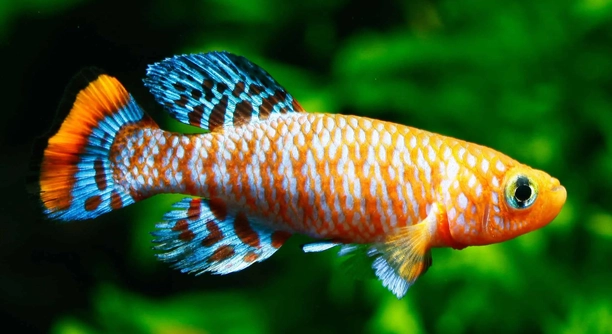
Killi fry are small, delicate fish that many hobbyists enjoy raising at home. They need proper care and space to thrive. Overcrowding them can create challenges for both the fish and their environment.
When killi fry are overcrowded, it leads to increased competition for food, poor water quality, and higher stress levels. These conditions cause slower growth, weaker immune systems, and greater mortality rates among the fry population.
Knowing the effects of overcrowding helps in creating a healthier tank environment and improving the survival chances of your killi fry.
Causes of Overcrowding in Killi Fry Tanks
Overcrowding in killi fry tanks happens for several reasons. Sometimes, more eggs hatch than expected, and the tank space is not adjusted accordingly. New breeders may also keep too many fry together, hoping they will all survive, not realizing the space needed. In other cases, a tank designed for adult killifish is used without separating the fry. Overcrowding can also occur if the tank isn’t cleaned regularly, causing waste buildup that reduces effective living space. When many fry share a small tank, they compete for food and oxygen. This competition causes stress and weakens their health. It also makes the water quality worse, leading to illness. Understanding what causes overcrowding is important to prevent these problems and give killi fry the best chance to grow healthy and strong.
Managing the number of fry and cleaning the tank regularly helps reduce overcrowding and maintains a healthier environment for the fish.
Keeping fry separated by size or age can also prevent crowding and improve their survival rate.
Effects of Poor Water Quality on Fry Health
Poor water quality is one of the biggest problems caused by overcrowding. When too many fry live in one tank, waste builds up quickly. This increases harmful substances like ammonia and nitrites, which are toxic to fish. Overcrowded tanks often have less oxygen because many fish are using it at once. Low oxygen and toxins stress the fry, making them more likely to get sick. This weakens their immune systems and slows growth. Water that is not cleaned often enough becomes cloudy and can grow harmful bacteria or fungi. These conditions can cause diseases or even death among the fry. Regular water changes and proper filtration are essential to keep water quality safe. Keeping fewer fry in a tank reduces waste and helps maintain better water conditions for healthier growth and development.
Signs of Stress in Overcrowded Killi Fry
Stress in overcrowded killi fry shows in their behavior and appearance. They may swim erratically or hide more often. Some fry might stop eating or grow slower than usual.
Stress weakens fry and makes them vulnerable to illness. Overcrowded tanks cause constant competition for food and space, increasing tension. You might notice pale colors or damaged fins, which signal poor health. Fry might also be more aggressive, chasing or nipping each other, which is uncommon in calm conditions. These signs should not be ignored, as prolonged stress lowers survival rates. Recognizing stress early helps in taking steps to reduce overcrowding and improve tank conditions.
Addressing stress through better tank management supports fry growth and boosts their chances of thriving. Proper care prevents unnecessary losses and promotes a healthier environment.
Preventing Overcrowding in Your Killi Fry Tank
To prevent overcrowding, separate fry by size and age early. This limits competition and reduces stress, helping them grow evenly. Use multiple tanks or dividers to create enough space. Monitor how many fry your tank can handle based on its size and filtration capacity. Regularly remove weaker fry or find homes for extras to keep numbers manageable.
Maintaining good water quality through regular cleaning and filtration is also key. Consistent feeding in small amounts ensures all fry get enough nutrition without polluting the tank. Planning ahead for fry growth and adjusting the setup helps keep overcrowding from becoming a problem. These steps create a safer and healthier space for your killi fry to develop well.
Feeding Challenges in Overcrowded Tanks
Overcrowding makes it hard to feed killi fry properly. Some fry may get too much food, while others get none. This imbalance affects growth and health.
Uneaten food pollutes the water, causing further stress and poor water quality.
Tank Maintenance Tips to Avoid Overcrowding Problems
Regular cleaning is crucial when keeping killi fry. Remove waste and uneaten food often to prevent toxins from building up. Test water frequently to keep levels safe. Change water in small amounts regularly to avoid sudden changes that stress fry. Using a good filter helps keep the tank clean but doesn’t replace water changes. Keep decorations simple to allow easy cleaning and prevent hiding spots that collect debris. Consistent maintenance supports a healthy environment, helping fry grow strong even if the tank starts to feel crowded.
Monitoring Fry Growth
Watch your killi fry closely as they grow. Separate larger fry from smaller ones to avoid bullying and ensure equal feeding opportunities.
FAQ
What is the ideal tank size for killi fry?
For raising killi fry, a small tank of about 5 to 10 gallons is usually enough for a small batch. However, as the fry grow, they need more space. Overcrowding can quickly happen in smaller tanks, so it’s best to upgrade or split the fry into multiple tanks as they increase in size. This helps reduce stress and improves water quality.
How often should I clean the tank when raising killi fry?
Cleaning should happen frequently, usually every few days. Partial water changes of about 20-30% help keep water fresh without stressing the fry. Removing uneaten food and waste daily or every other day is also important. Keeping the tank clean reduces harmful substances like ammonia and nitrites, which can harm the fry.
Can I feed all the fry the same type of food?
Killi fry need tiny, easy-to-eat food at first. Infusoria, baby brine shrimp, or finely crushed flakes work well. As they grow, you can introduce larger foods like micro worms or small live foods. Make sure the food size matches their mouth, so they can eat easily without waste. Feeding multiple types helps meet their nutritional needs and supports healthy growth.
What happens if some fry don’t get enough food in an overcrowded tank?
When food is limited, smaller or weaker fry may not get enough to eat. This slows their growth and weakens their immune systems, making them more prone to disease. Sometimes, these fry won’t survive. Overcrowding worsens this problem because food is spread too thin. Feeding in small amounts more often helps reduce competition, but the best solution is to avoid overcrowding.
How can I tell if my fry are stressed?
Signs of stress include erratic swimming, hiding, poor appetite, and faded colors. You might also see damaged fins or more aggressive behavior like nipping. Stressed fry are weaker and get sick more easily. Regular water testing, proper feeding, and giving them enough space are the best ways to reduce stress.
Is it necessary to separate fry by size?
Yes, separating fry by size is important once they start growing. Larger fry can bully smaller ones, stealing food and causing injuries. Separation ensures each group gets enough food and reduces stress. Using dividers or different tanks helps manage growth differences and keeps fry safer.
How often should I feed killi fry?
Feeding should be done 2 to 3 times a day in small portions. Fry have small stomachs and need frequent feeding to support growth. Overfeeding can pollute the water, so give only what they can eat in a few minutes. Careful feeding helps maintain water quality and keeps fry healthy.
Can overcrowding cause disease in killi fry?
Yes, overcrowding increases the risk of disease. Stress weakens their immune systems, and poor water quality encourages harmful bacteria and parasites. Diseases spread more quickly in crowded conditions. Keeping fry in proper numbers and maintaining clean water are key to preventing illness.
What should I do if overcrowding is already a problem?
If overcrowding occurs, the first step is to reduce the number of fry by moving some to another tank or giving them away. Increase water changes and improve filtration to maintain water quality. Feed smaller amounts more often to reduce competition. Separating fry by size helps as well. Acting quickly can save many fry and improve their health.
How important is filtration in a fry tank?
Filtration is very important but should be gentle. Strong currents can harm delicate fry, so use sponge filters or filters with low flow. Good filtration removes waste and keeps water clean, reducing stress and disease risk. Combine filtration with regular water changes for best results.
Overcrowding killi fry in a tank creates many challenges that can affect their health and growth. When too many fry live in a small space, they compete for food, oxygen, and room to swim. This competition causes stress, which weakens their immune systems and makes them more likely to get sick. Poor water quality often follows overcrowding because waste builds up faster than it can be cleaned. These conditions slow down the fry’s development and increase the chances of death. Understanding how overcrowding affects killi fry is important to give them the best chance of survival.
Preventing overcrowding means managing the number of fry in your tank carefully. It helps to separate fry by size and age early on, as bigger fry can outcompete smaller ones for food. Regular tank maintenance is also essential to keep water clean and safe. Frequent partial water changes and the use of gentle filtration improve water quality. Feeding small amounts multiple times a day ensures all fry get the nutrition they need without polluting the tank. Planning ahead and giving your fry enough space helps them grow strong and healthy, reducing the risks that come with crowding.
Taking care of killi fry requires attention and patience. Watching for signs of stress and illness allows you to act quickly when problems appear. If overcrowding happens, moving some fry to another tank or improving cleaning routines can make a big difference. These steps create a better environment and increase the chances of raising healthy fish. Proper care and tank management make the difference between losing fry and watching them grow into beautiful adult killifish. Keeping these points in mind helps provide a safe and supportive home for your killi fry.

Hello,
If you enjoy the content that we create, please consider saying a "Thank You!" by leaving a tip.
Every little bit helps us continue crafting quality advice that supports the health, happiness, and well-being of pets around the world, for pets of all shapes, sizes, and species.
We really appreciate the kindness and support that you show us!