
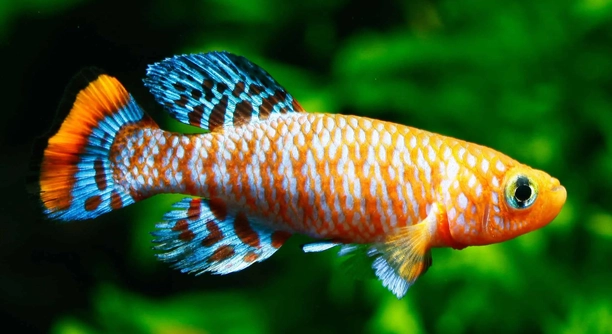
Killifish, or killis, are small, colorful fish that many hobbyists enjoy keeping. Feeding them properly is important to keep them healthy and vibrant. Knowing the right feeding schedule helps maintain their energy and well-being.
Effective feeding schedules for killis vary, but consistency and balance are key. Feeding small amounts once or twice daily, with occasional fasting days, supports their metabolism and prevents overfeeding, promoting optimal health and growth.
Understanding these feeding patterns will help you provide the best care for your killis and improve their overall quality of life.
Daily Small Feedings
Feeding killis small amounts every day works well for many keepers. This schedule mimics their natural eating habits, where they nibble on tiny insects or larvae throughout the day. Offering food once or twice daily helps maintain stable energy levels and supports healthy digestion. It’s important not to overfeed since killis are prone to obesity and water quality issues from leftover food. Using a pipette or small spoon can help control portion size, ensuring each feeding is just enough. Over time, you’ll learn the exact amount your fish can consume in a few minutes, which reduces waste. This approach also allows you to observe your killis’ behavior closely and notice any changes in appetite that could signal health problems. Regular feeding keeps your aquarium environment stable and your fish active and bright.
Small, daily feedings maintain steady nutrition and encourage natural feeding behavior without overloading the tank’s ecosystem.
This method requires commitment but offers clear benefits for both the fish and tank. By feeding small portions daily, you reduce leftover food, which helps keep the water clean. Cleaner water means fewer risks of disease and less work for you in tank maintenance. Consistency in feeding times helps killis develop a routine, lowering stress and promoting better health. Additionally, frequent feedings provide more chances to offer a varied diet, including live or frozen foods, which improve coloration and vitality. Overall, daily small feedings provide a balanced approach to killifish care that supports their natural habits and well-being.
Alternate Day Feeding
Alternate day feeding means feeding killis every other day instead of daily.
This schedule helps prevent overfeeding and gives the fish’s digestive system a rest. It’s useful for controlling weight and reducing waste in the aquarium. Feeding less often may also stimulate natural hunting behavior if live foods are offered.
Feeding every other day reduces the risk of obesity and keeps tank conditions more stable by limiting excess food. This method requires careful portion control to ensure killis receive enough nutrition on feeding days. It can work well for killis kept in smaller tanks or with less frequent water changes. Some fish may adapt better to this routine than others, so observing your killis’ health and activity is important. Alternate day feeding can simplify maintenance by lowering feeding frequency while still supporting healthy growth and energy levels. It’s a practical schedule that balances feeding with aquarium care.
Twice Daily Feeding
Feeding killis twice a day helps keep their metabolism steady and energy levels consistent.
Splitting their daily food intake into two smaller meals reduces the chance of overfeeding. This approach supports better digestion and helps maintain water quality by minimizing leftover food. Many killis thrive with morning and evening feedings, matching their active periods. It also provides more opportunities to offer a varied diet, such as combining live, frozen, and dry foods.
Twice daily feeding allows for better control over portion sizes. It encourages healthy activity and supports growth, especially for young or breeding killis. This schedule fits well for those who can dedicate time to regular feedings and want to ensure consistent care. The routine helps the fish stay alert and responsive throughout the day without stressing their system.
Feeding with Fasting Days
Incorporating fasting days means giving killis a break from food once or twice a week. This helps improve digestion and mimics natural feeding cycles.
Fasting days allow the fish’s digestive system to clear and reset, reducing the risk of bloating or digestive issues. It can also help prevent overfeeding and obesity, common problems in captive killis. Skipping food occasionally doesn’t harm healthy killis but can improve their overall health. Many aquarists feed normally for several days then skip feeding on designated fasting days to maintain balance.
Using fasting days encourages better appetite regulation and supports a healthy metabolism. It is especially helpful when feeding richer or more protein-heavy foods. This method keeps killis lean and active, supporting their longevity. It also reduces waste buildup, helping maintain cleaner tank water. Regular fasting days are a simple way to promote natural feeding patterns and improve fish welfare.
Morning Feeding Only
Feeding killis only in the morning can fit a busy schedule while still meeting their nutritional needs.
This method reduces the chance of overfeeding since the fish receive just one measured meal daily.
Feeding with Live Foods
Live foods like brine shrimp or daphnia offer essential nutrients and encourage natural hunting behavior. They improve killis’ coloration and overall health, providing stimulation and variety that frozen or dry foods may lack. Regular inclusion of live foods supports stronger immune systems and more active fish.
Feeding Twice Every Other Day
Feeding killis twice on alternate days balances feeding frequency and digestion time. This schedule provides ample nutrition while preventing overeating and waste buildup in the tank.
How often should I feed my killis?
Feeding frequency depends on your killis’ age, size, and activity. Most adult killis do well with one to two small feedings daily. Young or breeding killis may need more frequent meals to support growth and energy. Avoid overfeeding by giving only what they can consume in a few minutes. Consistency in feeding times helps keep their metabolism stable and reduces stress.
What types of food are best for killis?
Killis thrive on a varied diet that includes live, frozen, and high-quality dry foods. Live foods like brine shrimp and daphnia boost color and activity. Frozen foods offer convenience and nutrition, while dry flakes or pellets help round out their diet. Offering variety ensures your killis get essential vitamins, proteins, and fats for good health.
Can I overfeed my killis?
Yes, overfeeding is a common issue and can lead to poor water quality and health problems such as obesity and swim bladder issues. Killis have small stomachs, so feeding them tiny portions is better. Leftover food should be removed promptly to avoid fouling the tank and stressing the fish.
Should I fast my killis occasionally?
Fasting one or two days a week helps with digestion and prevents overeating. It mimics natural breaks in food availability and supports a healthy metabolism. Skipping food occasionally does not harm healthy killis but reduces waste buildup and improves water quality.
How do I know if my killis are hungry?
Killis often become more active and swim near the surface when hungry. They may quickly swim to the feeding spot or show increased interest in movement around the tank. However, avoid feeding just based on activity since they may be active for other reasons like stress or breeding behavior.
Is feeding live food necessary?
While not strictly necessary, live food greatly benefits killis by providing essential nutrients and stimulating natural behaviors. It enhances their color and vitality more than processed foods alone. Including live food regularly, even once or twice a week, improves overall health and longevity.
Can killis eat dry food only?
Killis can survive on high-quality dry foods but may lack some nutrients found in live or frozen options. Feeding only dry food long-term might result in less vibrant coloration and weaker immune response. A varied diet with live or frozen food is recommended for optimal health.
How much food should I give at each feeding?
Feed your killis only as much as they can consume within two to three minutes. This prevents leftovers that pollute the water. Start with a small pinch or a few drops, depending on the food type, and adjust based on how quickly they eat.
Does feeding frequency change during breeding?
Yes, breeding killis generally need more frequent feedings to support the energy demands of spawning and raising fry. Small, nutrient-rich meals given two to three times a day help maintain their strength and increase breeding success.
Can feeding affect water quality?
Absolutely. Overfeeding increases uneaten food and fish waste, leading to ammonia and nitrate buildup. This stresses killis and can cause illness. Proper feeding schedules and portion control are essential to keep the tank clean and healthy.
Should I feed killis live foods every day?
Feeding live foods daily is not necessary and can be expensive or time-consuming. Offering live foods two or three times a week is enough to maintain good health and encourage natural behaviors while keeping your routine manageable.
What’s the best time to feed killis?
Morning and early evening are ideal feeding times because killis are naturally more active during these periods. Feeding at consistent times helps establish a routine and reduces stress. Avoid feeding late at night, as uneaten food may spoil in the tank overnight.
Can killis survive fasting days without problems?
Healthy adult killis tolerate fasting days well, and it can even benefit their digestion and metabolism. However, avoid fasting fry or breeding fish frequently, as they need more regular nutrition. Monitor your fish’s behavior to ensure they are adjusting well.
How do I switch my killis to a new feeding schedule?
Make changes gradually by adjusting feeding times or amounts over several days. Sudden changes can stress your fish or cause digestive issues. Observe their response and be ready to revert if any negative signs appear.
Are frozen foods as good as live foods?
Frozen foods are a good alternative to live foods, providing similar nutrients without the risk of introducing parasites. They are convenient and can be stored easily. While frozen foods may not stimulate natural hunting as live foods do, they still support health and coloration.
Can killis eat plant-based foods?
Killis are primarily carnivorous, so plant-based foods should be minimal or avoided. Their diet should focus on protein-rich foods like insects and small crustaceans. Some flakes may contain plant matter, but these should not be the main source of nutrition.
Taking good care of killifish includes feeding them the right way. A proper feeding schedule is very important for their health and happiness. Killis need a balanced diet that matches their size, age, and activity level. Whether you feed them once a day or twice, or include fasting days, the key is consistency and moderation. Overfeeding can cause problems like poor water quality and health issues, so controlling portions and timing matters a lot. Feeding them a variety of foods, including live, frozen, and dry options, helps keep them strong and colorful. Paying attention to their behavior and appetite can guide you to adjust their feeding plan when needed.
Different feeding schedules work for different killis and tank setups. Some people prefer daily small feedings to match the fish’s natural habits, while others find success with alternate day feeding or fasting days. Twice daily feeding helps maintain steady energy, but it needs time and care to avoid overfeeding. Including live foods a few times a week adds nutrients and stimulation, which supports natural hunting behaviors and bright colors. Frozen foods are a good, convenient alternative that still provide good nutrition. Dry foods can fill in the gaps but should not be the only type of food offered. Finding the right schedule is about balancing nutrition, fish health, and your routine.
Overall, feeding killis well is not difficult once you understand their needs. Watching your fish closely helps you notice if they are eating well and staying healthy. Keeping feeding consistent and avoiding too much food will protect your tank environment, which is important for all aquatic life. Feeding is part of good fishkeeping that supports your killis’ growth, energy, and long life. By choosing a feeding schedule that fits your lifestyle and tank conditions, you provide the best care possible. This simple yet careful approach helps your killis thrive and stay beautiful in their home.

Hello,
If you enjoy the content that we create, please consider saying a "Thank You!" by leaving a tip.
Every little bit helps us continue crafting quality advice that supports the health, happiness, and well-being of pets around the world, for pets of all shapes, sizes, and species.
We really appreciate the kindness and support that you show us!