
How to sex killis that look identical can be a challenge for many fish enthusiasts. Identifying males and females is important for breeding and care. This guide will help you tell them apart with simple tips.
Sexing killifish that appear identical is mainly done by observing subtle differences in size, coloration, and fin shape. Males typically have brighter colors and more elongated fins, while females are usually rounder and less vibrant. Behavioral cues also assist in distinguishing the sexes.
Learning these distinctions makes caring for your killifish easier and improves your chances for successful breeding. Clear knowledge will help you enjoy your fish even more.
Key Physical Differences Between Male and Female Killis
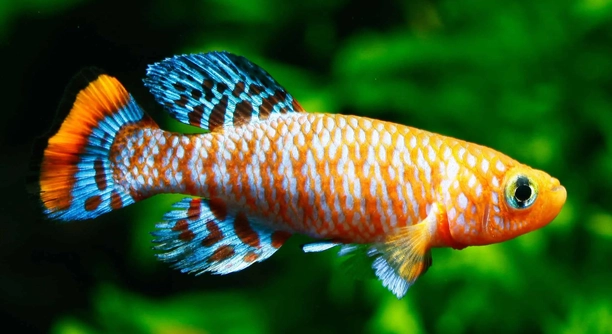
Male and female killifish often show differences in body shape and color, even when they look very similar. Males tend to be slimmer and longer, with sharper fins that sometimes have more color or patterns. Females usually have rounder bodies, especially when they carry eggs, and their colors are often duller or less vibrant. In some species, males have small spots or stripes on their fins, while females do not. Size can also be a factor; males may be slightly larger. These details take close observation but are usually consistent enough to tell the sexes apart. Watching how the fish move can also help. Males often swim more actively or display to females, while females might stay more reserved or swim differently. Paying attention to these subtle signs makes it easier to separate males from females for breeding or tank arrangements.
Male killifish usually display more vibrant colors and longer fins than females.
Observing your killis daily helps you notice small but important differences. Over time, you will become more confident in telling males and females apart by their shape, colors, and behavior.
Behavioral Traits That Help Identify Killifish Sex
Male killifish often show behaviors meant to attract females. They may flare their fins or swim with more confidence and energy. These displays can include chasing females gently or setting up a specific area in the tank. Females generally respond by staying close but moving less aggressively. Sometimes, males might even chase other males away to protect their space. Watching how they interact over a few days makes it easier to know who is who. Behavior can confirm what you see physically and help when visual differences are very small. When preparing for breeding, recognizing these behaviors ensures you place the right numbers of males and females together. Observing their actions also helps prevent fights and stress in the tank, making a healthier environment for your fish. Understanding both looks and behavior gives a clearer picture of each killifish’s sex.
Lighting and Environment Effects on Sexing Killis
Lighting can change how killifish colors appear. Bright light may make males’ colors look stronger, while dim light can hide these differences. Tank setup also affects behavior and visibility.
Proper lighting helps you see details like fin shape and color clearly. Males usually show brighter, more vivid colors in well-lit tanks. If the tank is too dark or cluttered, it becomes harder to spot these traits. Plants and decorations can provide hiding spots that make observing behavior difficult. A clear tank with moderate lighting gives the best view of your fish, allowing you to notice subtle sex differences. Adjusting light conditions can make sexing killis much easier and more accurate.
Environmental factors like water clarity and decorations influence how well you can distinguish males from females. Clear water and simple setups improve visibility.
When Physical Differences Are Minimal
Some killifish species have males and females that look almost the same. In these cases, behavior is the most reliable way to tell them apart. Males tend to be more active and may show mating displays, while females act more reserved.
If visual cues are weak, watching for specific behaviors becomes essential. Males often flare their fins and swim boldly, especially near females. They might also build small nests or clear areas for breeding. Females usually stay close but avoid direct displays. Patience is key in these situations. Spending time observing your fish throughout the day can reveal patterns you might miss at first. Recording their movements or taking notes can help identify subtle differences over time. Combining both physical and behavioral observations will give the best chance of accurate sexing. This approach works well for species where physical traits don’t provide clear answers.
Using Magnification Tools for Better Observation
A magnifying glass or smartphone camera zoom can help spot tiny differences in fin shape and scale patterns. These details are often too small to see with the naked eye.
Taking close-up photos lets you compare males and females side by side. It also helps track changes over time, especially during breeding seasons.
Seasonal Changes and Their Impact on Sexing
Killifish colors and behavior can change with the seasons. Males may become more colorful and active when breeding conditions are right, while females grow rounder as they prepare to lay eggs.
Recognizing seasonal shifts helps improve accuracy in identifying sex, especially when differences seem unclear at first.
When to Seek Expert Help
If sexing remains difficult despite careful observation, consulting experienced breeders or online communities can be very useful. Sharing photos and descriptions often leads to helpful advice.
Expert input can save time and reduce stress when fish look very similar.
Final Tips for Successful Sexing
Be patient and observe your killis regularly. Small details and behaviors often become clearer with time.
FAQ
How can I tell male and female killifish apart when they look exactly the same?
When males and females look nearly identical, behavior is your best guide. Males usually swim more actively and perform displays like flaring fins or chasing females. Females tend to be calmer and rounder, especially if they carry eggs. Using a magnifying tool to check fin shapes and subtle color differences also helps. Observing over several days is key, as these small signs become clearer with time.
Are there any specific physical traits unique to male killifish?
Yes. Males often have longer and more pointed fins than females. Their colors are usually brighter and more vivid, especially during breeding. You might notice small spots or stripes on male fins that females lack. Males tend to be slimmer and more streamlined, while females are rounder-bodied.
Can lighting affect how I see the colors of my killifish?
Definitely. Bright lighting enhances the males’ vibrant colors, making it easier to tell them apart from females. Dim or uneven lighting can hide these differences and make sexing harder. A well-lit tank with clear water gives the best chance to see the true colors and fin shapes.
What if my killifish don’t show any obvious differences in color or behavior?
Some species are naturally less distinct between males and females. In these cases, focus on subtle behaviors like swimming patterns or interactions during breeding time. Patience is important; watching for several days and noting changes often helps identify the sexes. You can also seek advice from experienced breeders or communities who may know specific traits for your species.
Is it necessary to separate males and females if they look very similar?
If you are planning to breed, separating them until you are sure of their sex can prevent stress and aggression. Males sometimes fight, especially if there are too many in one tank. For general care, mixing them is usually fine once you know their sex and the tank is large enough.
How does the breeding season affect the appearance of killifish?
During breeding season, males usually become more colorful and show off their fins to attract females. Females may become rounder due to eggs developing inside. These changes make it easier to distinguish males from females during that time. Outside breeding season, differences might be less clear.
Can I use a camera or phone to help sex my killifish?
Yes. Taking close-up pictures helps you see details like fin shape or scale patterns that are hard to notice with the naked eye. You can compare photos side by side to spot differences. This is especially helpful when physical traits are subtle.
What should I do if I’m still unsure about the sex of my killifish?
Ask for help from experienced keepers or online groups dedicated to killifish. Sharing clear photos and descriptions of behavior often leads to useful advice. Experts can offer tips for your specific species or recommend tools to make sexing easier.
Do males and females require different care?
Generally, both need similar water conditions and diet. However, males can be more territorial and aggressive, so providing enough space and hiding spots is important. Females benefit from a well-balanced diet to support egg production.
Can environmental factors affect how killifish look?
Yes. Water quality, temperature, and tank setup influence their health and coloration. Poor conditions can dull colors and reduce activity, making it harder to identify males and females. Keeping a stable environment helps them show their true traits.
How long does it usually take to confidently sex killifish?
It varies, but many people become comfortable within a few weeks of careful observation. Watching their behavior and physical changes over time builds confidence. Using tools like magnification or photos speeds up the process.
Are there any risks in misidentifying killifish sex?
Mixing too many males can lead to fights and stress. Pairing the wrong numbers can reduce breeding success. While general care won’t be harmed, correct sexing is important for breeding and tank harmony.
What is the best way to practice sexing killifish?
Start by observing fish in a simple, well-lit tank. Take notes or photos to track differences. Compare your observations with reliable guides or ask experienced keepers for feedback. Practice improves your ability to notice subtle signs.
Do all killifish species show the same sex differences?
No. Some species have very clear differences, while others are more subtle or almost invisible. Learning about the specific species you keep helps focus on the right traits and behaviors for sexing.
Can juveniles be sexed accurately?
Juveniles are harder to sex because many differences only appear as they mature. Waiting until fish grow larger and start breeding behavior gives better results. Early attempts may lead to mistakes.
Sexing killifish that look very similar can feel tricky at first, but it becomes easier with careful observation and practice. Paying attention to small differences in size, color, fin shape, and behavior helps separate males from females. Males usually have brighter colors and longer fins, while females tend to be rounder and less colorful. These details can be subtle, so patience is important. Watching your fish regularly over time allows you to notice changes and patterns that are not obvious at first glance. Using tools like magnifying glasses or cameras can also make spotting these differences simpler.
Environmental factors play a big role in how clear these differences appear. Lighting, tank setup, and water quality all affect the colors and behaviors of killifish. Good lighting will bring out the males’ vivid colors, making it easier to tell them apart from females. A well-maintained tank with clear water and enough space also encourages natural behaviors that help in sex identification. Seasonal changes can also cause fish to look and act differently, especially during breeding times when males become more colorful and active. Keeping an eye on these changes can improve your ability to sex your fish correctly.
If it still feels difficult to tell males and females apart, it’s okay to ask for help. Experienced breeders and online communities can offer useful advice, especially for species where sex differences are very subtle. Learning to sex your killifish takes time, but it is rewarding. Knowing the sexes helps in providing better care, managing tank harmony, and successfully breeding your fish. With patience and attention, you will grow more confident in distinguishing your killifish and enjoying their unique traits.

Hello,
If you enjoy the content that we create, please consider saying a "Thank You!" by leaving a tip.
Every little bit helps us continue crafting quality advice that supports the health, happiness, and well-being of pets around the world, for pets of all shapes, sizes, and species.
We really appreciate the kindness and support that you show us!