
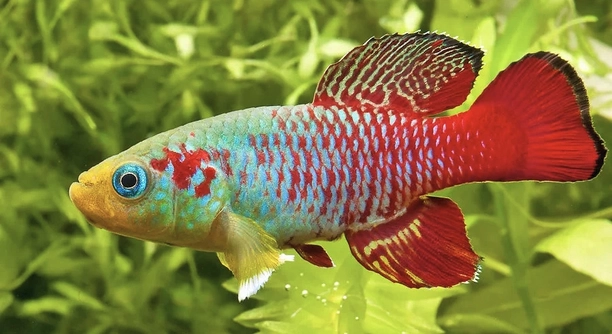
Many people enjoy keeping killifish because of their bright colors and unique behaviors. However, some types of killifish are not well-suited for beginners. Understanding which ones to avoid can save time and prevent frustration.
Certain killifish species require very specific water conditions, frequent maintenance, or have aggressive behaviors that make them challenging for new hobbyists. Avoiding these types helps beginners build confidence and success with easier, more forgiving species.
Learning which killifish to steer clear of will improve your early experience. This guide highlights key species that may cause unnecessary problems for those just starting out.
African Killifish (Nothobranchius)
African Killifish, especially those from the genus Nothobranchius, are known for their bright colors and short lifespan. They live in temporary pools that dry up seasonally, which means they have adapted to extreme conditions. For beginners, maintaining these fish is difficult because they require very specific water parameters and a dry period for their eggs to hatch. The water quality must be kept pristine, and temperature changes need to be carefully managed. If these conditions are not met, the fish can quickly become stressed or die. African Killifish also often need a diet that includes live foods, which can be harder to source. Their aggressive nature during breeding times can lead to fights if the tank is too small or crowded. Because of these complexities, they are best left to more experienced hobbyists who understand how to mimic their natural environment. Starting with easier species is a better choice for those new to killifish.
Beginners should avoid African Killifish due to their complex care needs and delicate breeding requirements.
Proper care of African Killifish involves replicating their natural habitat closely, including seasonal water changes and dry spells for egg development. Providing live foods and ensuring a calm environment are essential to their health. Their aggressive behavior means tank mates should be chosen carefully. Beginners may find the constant monitoring overwhelming, which can lead to premature loss of these fish.
Blue Gularis (Fundulopanchax sjoestedti)
Blue Gularis are large and beautiful killifish known for their striking blue coloration and bold patterns. They require a spacious tank because of their size and active swimming habits. These fish are semi-aggressive and can sometimes show territorial behavior. They need well-maintained water with stable parameters and plenty of hiding spots. Blue Gularis are also sensitive to water quality changes and require a diet rich in live or frozen foods, which might be difficult for beginners to consistently provide.
Maintaining Blue Gularis can be demanding due to their size, temperament, and diet needs.
Despite their impressive appearance, Blue Gularis need special attention. Their size means they require a tank of at least 20 gallons, and water changes must be regular to keep conditions optimal. Their semi-aggressive nature means they may harass smaller or more passive tank mates. Feeding live foods like bloodworms and brine shrimp is necessary for their health, which can be inconvenient for those unprepared to handle such diets. Additionally, breeding Blue Gularis can be challenging, requiring knowledge of their spawning habits and care for fry. Due to these factors, they are better suited for experienced keepers who can dedicate time and resources to their upkeep. Beginners may find it difficult to meet these needs consistently.
Clown Killifish (Epiplatys annulatus)
Clown Killifish are small, colorful fish that appear delicate. Their size and temperament make them seem ideal for beginners, but their care can be tricky.
They require very stable water parameters and prefer slightly brackish water, which many new keepers may not anticipate. Their small size makes them vulnerable to water quality fluctuations and temperature swings. They also need a peaceful environment since they are timid and can be stressed by more aggressive tank mates. Feeding can be difficult because they prefer live foods like small insects or larvae, which may not always be easy to provide regularly. Without proper care, their health can decline quickly, leading to poor survival rates.
Breeding Clown Killifish is also demanding. They spawn in fine-leaved plants or spawning mops, requiring careful handling of eggs. Fry need very small live foods, which can be challenging to source. Due to these factors, they are better suited for experienced hobbyists.
Fundulopanchax gardneri
Fundulopanchax gardneri, or Gardner’s Killifish, are appreciated for their striking colors and patterns. They require consistent water conditions and careful maintenance.
These killifish are moderately aggressive and may nip at smaller tank mates. They need a tank with plenty of hiding spaces to reduce stress. Their water should be soft and slightly acidic, conditions that may require regular monitoring and adjustment. Feeding them live or frozen foods like daphnia or bloodworms is necessary for their nutrition and coloration. While they are hardy in stable conditions, beginners might find maintaining the proper environment and diet a challenge.
Breeding Gardner’s Killifish requires experience as well. They spawn on plants or spawning mops, and the fry need micro foods to survive. Managing these requirements means beginners should consider simpler species first before attempting Fundulopanchax gardneri.
Golden Wonder Killifish (Aplocheilus lineatus)
Golden Wonder Killifish are larger and more aggressive than many other killifish species. They need plenty of space to thrive.
Their predatory nature means they can eat smaller fish, making them unsuitable for community tanks with small species.
Panchax Killifish
Panchax Killifish are fast swimmers and require a spacious tank with a secure lid because they are known jumpers. They thrive in slightly acidic to neutral water but need consistent water quality and regular feeding with live or frozen foods to maintain their health. Their activity level can be overwhelming for beginners, and their tendency to jump means an open or uncovered aquarium is not recommended. Due to their needs and behavior, Panchax Killifish are better suited for those with some aquarium experience.
Fundulus heteroclitus
Fundulus heteroclitus, or Mummichog, is a hardy killifish that tolerates a wide range of water conditions. Despite its adaptability, it requires ample space and specific diet considerations for long-term health.
Fundulopanchax scheeli
Fundulopanchax scheeli is sensitive to water quality and requires careful monitoring. They also demand a varied diet including live foods for optimal health.
FAQ
What makes some killifish difficult for beginners?
Some killifish require very specific water conditions, diets, and tank setups that are hard to maintain without experience. Many species need stable temperatures, precise pH levels, and regular changes in water parameters. Their feeding habits often involve live or frozen foods, which can be difficult to source or prepare. Additionally, aggressive behavior and breeding requirements add complexity that can overwhelm new keepers.
Are all killifish aggressive?
Not all killifish are aggressive, but several species exhibit territorial or semi-aggressive behaviors, especially during breeding. Some killifish may nip fins or compete aggressively for space. It is important to research the temperament of the species before adding them to a community tank. Many beginner-friendly killifish are peaceful and do well with other non-aggressive fish.
Can beginners keep killifish successfully?
Yes, beginners can keep killifish successfully if they choose easy-to-care-for species. Starting with hardy, adaptable killifish that tolerate a range of water conditions helps reduce stress. Learning proper feeding, tank maintenance, and water testing techniques also improves success rates. Avoiding species that require complex care makes the experience more enjoyable.
What kind of tank setup do killifish need?
Killifish generally need tanks with stable water conditions, proper filtration, and hiding spots like plants or decorations. Some species prefer soft, slightly acidic water, while others tolerate harder, neutral water. Lighting should not be too intense. Many killifish appreciate a lid on the tank since some species can jump. Tank size depends on the species but should accommodate their swimming habits and social needs.
How often should I feed killifish?
Killifish should be fed small amounts once or twice daily. Overfeeding can pollute the tank and harm water quality. Many killifish thrive on live or frozen foods such as brine shrimp, daphnia, or bloodworms. Some species accept high-quality flakes or pellets, but live food is often preferred for optimal health and coloration.
Are killifish easy to breed?
Breeding killifish varies by species and can be complicated for beginners. Some lay eggs on spawning mops or plants, requiring careful removal and incubation. Others need dry periods to simulate natural conditions. Fry often require very small live foods for survival. Beginners should research the specific breeding needs before attempting to breed killifish.
What common mistakes do beginners make with killifish?
Common mistakes include choosing difficult species, overfeeding, neglecting water quality, and mixing incompatible tank mates. New keepers often underestimate the importance of stable water parameters and proper diet. Using tanks without lids can lead to escapes. Lack of patience with breeding conditions can also lead to failed attempts.
Can killifish live with other fish?
Some killifish live well with peaceful, similarly sized fish, but many are territorial or predatory. Careful selection of tank mates is necessary to prevent stress or injury. Avoid small fish that can be eaten or very aggressive species that may bully killifish. Research compatibility for each species before combining them in a tank.
How long do killifish live?
Killifish lifespans vary widely, from several months to a few years. Many African killifish have naturally short lifespans of about a year due to their life cycle in temporary pools. Other species may live 2 to 3 years or longer with proper care. Lifespan depends on species, diet, water quality, and overall care.
What water parameters are ideal for killifish?
Ideal water parameters depend on the species but generally include a temperature range of 68–75°F (20–24°C), pH between 6.0 and 7.5, and moderate hardness. African species often prefer softer, more acidic water, while some American species tolerate harder, neutral water. Stability is more important than exact values; rapid changes stress the fish.
Is it necessary to quarantine new killifish?
Quarantining new killifish before adding them to an established tank helps prevent the spread of diseases and parasites. A quarantine period of at least two weeks allows observation for illness and safe acclimation to new water conditions. This step is especially important for beginners to protect their existing fish.
What signs indicate that a killifish is stressed or unhealthy?
Signs include lethargy, loss of appetite, faded colors, clamped fins, erratic swimming, and gasping at the surface. Visible parasites or wounds and abnormal growths also indicate health problems. Maintaining clean water, proper diet, and a calm environment helps prevent stress and disease.
Can killifish jump out of tanks?
Yes, many killifish species are known jumpers. This makes a tight-fitting lid essential to prevent escapes and injuries. Keep lids securely in place and check for any gaps. Providing hiding spots and a calm environment reduces jumping behavior.
What is the best way to acclimate killifish to a new tank?
Slow acclimation is key. Use the drip method or gradually mix tank water with the transport water over several hours. This allows killifish to adjust to new water parameters safely. Avoid sudden changes in temperature or chemistry, which can cause shock and stress.
Are live plants necessary for killifish tanks?
Live plants provide hiding places and improve water quality, benefiting killifish health. While not absolutely necessary, they help create a natural environment and reduce stress. Many killifish species prefer tanks with dense vegetation to mimic their natural habitat.
What should I do if my killifish shows signs of illness?
Isolate the affected fish if possible and test water quality immediately. Treat common diseases with appropriate medications, following instructions carefully. Improving water conditions and diet supports recovery. Early intervention increases the chances of successful treatment.
How often should I change the water in a killifish tank?
Perform regular water changes of 20–30% weekly to maintain water quality. Some species benefit from more frequent changes if the tank is small or heavily stocked. Consistent water changes prevent the buildup of toxins and help keep killifish healthy.
Choosing the right killifish species is important, especially for beginners. Some types require very specific care that can be difficult to manage without experience. These fish may need special water conditions, precise feeding routines, and tanks set up to mimic their natural environment. Starting with challenging species can lead to frustration and disappointment. It is better to begin with fish that are easier to care for and gradually build knowledge before moving on to more demanding killifish.
Avoiding the more difficult killifish helps ensure a positive experience in the hobby. Many beginners do not realize how sensitive some species are to water quality or how important diet is for their health. Some killifish are aggressive or jumpy, requiring extra precautions such as tank lids and careful selection of tank mates. Learning about the needs of each species and planning accordingly reduces stress for both the fish and the keeper. This approach leads to better fish health and a more enjoyable aquarium environment.
In summary, understanding which killifish are not suitable for beginners is a key step toward success. Taking the time to research and choose species with simpler care requirements makes maintaining a healthy tank easier. As skills improve, it becomes possible to try keeping more complex killifish with confidence. A thoughtful start creates a strong foundation for long-term enjoyment in the hobby.

Hello,
If you enjoy the content that we create, please consider saying a "Thank You!" by leaving a tip.
Every little bit helps us continue crafting quality advice that supports the health, happiness, and well-being of pets around the world, for pets of all shapes, sizes, and species.
We really appreciate the kindness and support that you show us!