
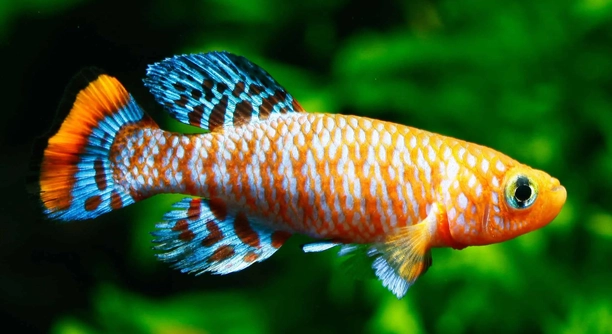
Killi tanks offer a beautiful way to keep small, colorful fish at home. Many hobbyists enjoy their unique behavior and bright colors. However, keeping these tanks low maintenance can be challenging for beginners.
Maintaining a killi tank with minimal effort involves choosing hardy species, setting up stable water conditions, and performing regular but simple cleaning routines. Proper care reduces stress on the fish and keeps the tank healthy with less frequent interventions.
Understanding these basic steps will help you enjoy your killi fish without constant worry or complicated upkeep. This article will guide you through the essential tips for easy maintenance.
Choosing Hardy Killi Fish Species
Selecting the right species is the first step to a low-maintenance killi tank. Some killis are more adaptable to varying water conditions and less sensitive to small changes in temperature or pH. For example, species like Nothobranchius rachovii and Aphyosemion australe tolerate a range of environments and are less prone to illness. These hardy fish require less frequent monitoring and care, making the tank easier to manage. Avoid species that need very specific water chemistry or frequent feeding schedules. Having resilient fish helps prevent stress-related problems that could lead to disease. It’s also good to start with a smaller number of fish to keep waste manageable. Overcrowding can increase maintenance and complicate water quality. The more balanced the tank’s ecosystem, the less effort it takes to keep everything stable. Planning this early saves time and effort later.
Choosing the right fish makes the entire care routine simpler and reduces the need for constant adjustments.
Hardy killis are less demanding and more forgiving, which means you can spend less time worrying about their environment and more time enjoying their colors and behaviors.
Setting Up Stable Water Conditions
Stable water conditions are essential for keeping killis healthy with minimal effort. Killis do best when water parameters remain consistent, including temperature, pH, and hardness. Sudden changes can stress the fish and increase maintenance needs. Using a reliable heater and a good-quality filter helps maintain steady temperature and water cleanliness. Avoid frequent water changes by keeping the tank well-planted and avoiding overfeeding, which reduces waste buildup. Adding live plants can also improve water quality naturally and provide hiding spots, reducing fish stress. Regular testing of water parameters ensures conditions stay within the ideal range. By maintaining stability, you prevent many common health issues and reduce the frequency of emergency care or deep cleanings. A stable tank environment is the foundation of a low-maintenance killifish setup.
Keeping water steady and clean means less work and healthier fish in the long run.
Simple Feeding Routine
Feeding killis a consistent, balanced diet is key to low maintenance. Avoid overfeeding, which can pollute the water and increase cleaning needs.
Feeding small amounts once or twice a day works well. Killis enjoy live or frozen foods like brine shrimp and daphnia, which support their health. High-quality pellet food can be included but should not replace natural diet sources. Removing uneaten food after a few minutes prevents decay and water quality issues. A simple feeding schedule reduces stress on the fish and keeps the tank cleaner.
Keeping feeding regular but minimal helps maintain water quality and reduces the need for frequent tank cleanings. It also supports your fish’s overall health without complicating your daily routine.
Regular but Light Tank Maintenance
Partial water changes of about 20% every two weeks are usually enough to maintain cleanliness. Avoid full cleanings, which can disrupt the tank’s balance. Use a gravel vacuum to remove debris without disturbing beneficial bacteria. Clean the filter media gently to maintain good filtration without killing helpful organisms. Check plants and remove any dead leaves to prevent decay in the water. Regular monitoring keeps issues small before they become problems. Light maintenance avoids stressing the fish and keeps the tank environment stable.
Keeping the maintenance light and consistent means you won’t have to spend long hours cleaning. This approach protects the biological balance, making the tank healthier and easier to care for overall.
Proper Tank Placement
Place your killi tank away from direct sunlight to prevent algae growth and temperature fluctuations. A stable environment reduces stress on the fish and helps maintain water quality. Avoid areas near heaters or air conditioners to keep temperature steady.
Choosing a quiet spot also minimizes disturbances, allowing your fish to feel secure and healthy. This simple step supports low-maintenance care by reducing unexpected issues.
Using Live Plants
Live plants improve water quality by absorbing nitrates and providing oxygen. They create hiding spots, reducing fish stress and promoting natural behavior. Plants also help stabilize the tank’s ecosystem, reducing maintenance needs.
Adding easy-care plants like java moss or anubias can be very beneficial for a low-maintenance setup.
Avoid Overcrowding
Too many fish create excess waste and increase cleaning frequency. Keep the tank population moderate to maintain water stability and reduce disease risk.
A balanced number of killis makes tank care easier and improves fish health.
FAQ
How often should I change the water in my killi tank?
Changing about 20% of the water every two weeks is usually enough to keep the tank healthy. Frequent full water changes can upset the balance of beneficial bacteria and stress the fish. Partial water changes help remove toxins while maintaining stability. Always use dechlorinated water that matches the tank’s temperature to avoid shocking the fish.
What is the best temperature for killi fish?
Most killis thrive between 72°F and 78°F (22°C to 26°C). Maintaining a stable temperature within this range reduces stress and promotes healthy behavior. Using a reliable heater helps avoid sudden drops or spikes. Avoid placing the tank near drafty windows or heat sources to keep temperature steady.
Can I keep different species of killis together?
It depends on the species. Some killis are territorial or aggressive, so it’s best to research compatibility before mixing. Generally, peaceful species with similar water needs can live together. Avoid overcrowding to reduce stress and fights. Providing plenty of plants and hiding spots helps keep peace in the tank.
What do killis eat?
Killis prefer live or frozen foods such as brine shrimp, daphnia, and bloodworms. High-quality pellet food can be included but should not replace natural foods. Feeding small amounts once or twice a day prevents overfeeding and water pollution. Removing uneaten food after feeding helps maintain water quality.
How can I prevent algae growth in the tank?
Algae grow when there is excess light or nutrients. Keep the tank out of direct sunlight and avoid overfeeding. Adding live plants competes with algae for nutrients and helps control growth. Regular partial water changes reduce nutrients that algae feed on. Cleaning the tank glass and decorations occasionally helps keep algae at bay.
Do killis need a special filter?
A gentle filter that provides good biological filtration is best. Killis prefer calm water, so avoid strong currents that can stress them. Sponge filters or filters with adjustable flow work well. Maintaining the filter by rinsing media in tank water prevents buildup of waste while preserving beneficial bacteria.
How often should I feed my killi fish?
Feeding once or twice a day with small portions is enough. Killis are small fish and do not require large amounts of food. Overfeeding can lead to poor water quality and health problems. Observe how much your fish eat within a few minutes and adjust accordingly.
Are killis good for beginners?
Some killis are hardy and easy to care for, making them suitable for beginners. Choosing resilient species and keeping stable water conditions helps reduce problems. However, killis do need consistent care and clean water to thrive. Learning about their needs before starting will improve your experience.
What should I do if a fish looks sick?
Isolate the sick fish in a separate tank if possible. Check water parameters immediately and perform a partial water change. Look for signs like spots, unusual swimming, or loss of appetite. Treatment depends on the illness, so research symptoms or consult a specialist. Maintaining good water quality prevents most diseases.
Can I use tap water for my killi tank?
Tap water is usually safe if treated properly. Use a water conditioner to remove chlorine and chloramine before adding water to the tank. Test the water to ensure pH and hardness match the fish’s needs. Avoid sudden changes in water parameters to keep fish healthy.
How long do killis live?
Killis generally live 2 to 5 years, depending on the species and care quality. Providing good water conditions, a balanced diet, and minimal stress helps maximize their lifespan. Some species naturally have shorter lifespans, so knowing the species’ average helps set expectations.
Is it necessary to have a light on the tank?
A light helps plants grow and allows you to see your fish better. Using a timer to give 8 to 10 hours of light daily mimics natural day cycles. Avoid leaving the light on all the time to prevent algae growth and stress. Choose LED lights for low heat and energy efficiency.
Final Thoughts
Keeping a killi tank low maintenance is about making smart choices from the start. Picking hardy fish species that tolerate a range of water conditions helps reduce the need for constant care. Setting up the tank with stable temperature and water quality makes a big difference. It lowers stress on the fish and keeps the environment balanced. Simple feeding routines and light regular maintenance prevent many common problems. These small steps add up to a more enjoyable experience with less time spent on tank chores.
Using live plants and avoiding overcrowding also support a healthy tank that needs less attention. Plants help improve water quality naturally and provide shelter for the fish, which can reduce stress. Keeping the number of fish moderate helps prevent waste buildup and water quality issues. When the tank is well planned and stable, the fish are healthier and happier. This means fewer diseases and less risk of emergencies that require extra effort. Overall, these strategies make caring for killis easier and more rewarding.
It’s important to remember that even low-maintenance tanks need consistent care. Partial water changes, monitoring water parameters, and feeding the right amount all contribute to a stable setup. Ignoring these basics can lead to problems that become more difficult to fix later. Taking the time to build a strong foundation for your killi tank will save you work and worry in the long run. With patience and simple daily habits, you can enjoy watching your killis thrive without complicated or time-consuming tasks. This balance makes keeping killis a pleasant and sustainable hobby.

Hello,
If you enjoy the content that we create, please consider saying a "Thank You!" by leaving a tip.
Every little bit helps us continue crafting quality advice that supports the health, happiness, and well-being of pets around the world, for pets of all shapes, sizes, and species.
We really appreciate the kindness and support that you show us!