
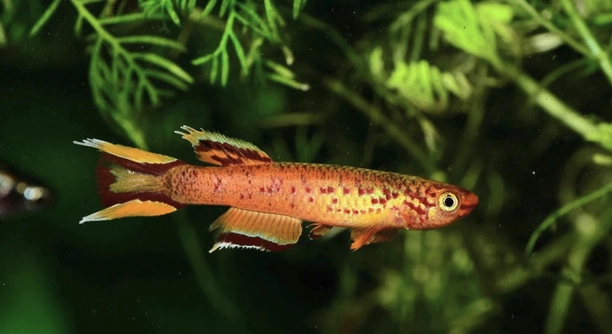
Adult killifish are popular among aquarium enthusiasts for their vibrant colors and unique behaviors. Feeding them properly is essential for their health and longevity. Understanding their dietary needs helps maintain a balanced aquarium environment.
Overfeeding adult killifish can lead to health problems and poor water quality. Excess food often decomposes, causing harmful ammonia buildup and stressing the fish. It is important to provide moderate portions to support their well-being and avoid these issues.
Knowing the right feeding habits ensures your killifish stay healthy and your tank remains clean. This article will guide you through effective feeding practices and their impact on your fish.
Understanding Killifish Feeding Habits
Adult killifish have small stomachs and require a diet that meets their nutritional needs without excess. They typically eat small live or frozen foods like brine shrimp, daphnia, or bloodworms. Feeding them once or twice daily in small amounts ensures they consume all the food quickly. Overfeeding causes leftover food to decay, which affects water quality and increases the risk of diseases. Observing how much your killifish eat in a few minutes helps you adjust portions appropriately. It is important to maintain a consistent feeding schedule to keep their metabolism balanced and avoid stress from hunger or overeating. Proper feeding not only supports growth but also helps with their vibrant colors and activity levels, making their care more rewarding.
Regularly checking your tank for leftover food and uneaten pellets can prevent water issues. Removing excess food promptly keeps the environment safe and clean for your fish.
Feeding your killifish the right amounts and types of food strengthens their immune system. This reduces illness risk and promotes a stable aquarium environment, which benefits all tank inhabitants. Establishing a balanced feeding routine is key to long-term success with killifish care.
Signs of Overfeeding Killifish
Overfeeding often shows early signs like bloated bellies or sluggish behavior in killifish. These indicators should prompt an immediate adjustment in feeding practices.
Excess food leads to increased waste and can quickly degrade water quality. This harms fish health and stresses the entire tank ecosystem.
Monitoring feeding habits and watching for behavioral changes is essential. If you notice lethargy or swelling, cut back on food portions and improve tank maintenance. Consistent observation allows you to catch problems early, ensuring your killifish remain healthy and active.
How Much to Feed Adult Killifish
Adult killifish need small portions of food that they can finish within a few minutes. Overfeeding is common when more food is offered than they can eat at once.
Providing the right amount means observing how much your killifish consume in about two to three minutes. Feed them only what they can eat in this time. If food remains uneaten, reduce the portion size. Consistent portion control avoids excess waste and keeps water quality stable. Small, frequent feedings are better than one large feeding, supporting digestion and energy levels. This simple practice improves their health and the overall tank environment.
Different killifish species have varying appetites, so adjust amounts accordingly. Younger or more active fish may need slightly more food, but always avoid feeding beyond what they can consume quickly.
Preventing Overfeeding Through Feeding Routine
Establishing a consistent feeding schedule helps prevent overfeeding and maintains fish health. Feeding at the same times daily creates a routine your killifish adapt to easily, reducing stress and overeating.
A regular schedule improves digestion and supports metabolism, while irregular feeding may cause your fish to eat excessively when food is available. Using a timer or alarm can help keep feeding times consistent. Avoid free feeding or leaving food in the tank for long periods. Monitor how your killifish respond to the routine and adjust portion sizes if needed to avoid leftover food. Consistency is key to balancing nutrition and tank cleanliness.
Impact of Overfeeding on Water Quality
Overfeeding adult killifish causes leftover food to decay, increasing harmful ammonia and nitrite levels in the tank. Poor water quality stresses fish and can lead to illness.
Regular water testing and timely cleaning are necessary to prevent these issues. Maintaining a clean tank environment supports healthy killifish.
Balancing Diet Variety
A varied diet keeps killifish healthy by providing different nutrients. Incorporate live, frozen, and high-quality pellet foods to meet their dietary needs.
Feeding a mix of food types prevents boredom and supports natural feeding behaviors, enhancing their overall well-being.
Common Mistakes in Feeding Killifish
Offering too much food at once or feeding irregularly are common errors. Both can lead to poor water conditions and stressed fish.
Avoid these mistakes by sticking to measured portions and a consistent feeding routine.
FAQ
How often should I feed adult killifish?
Adult killifish generally do well when fed once or twice daily. The key is to offer small portions that they can finish within a few minutes. Feeding more often can increase the risk of overfeeding and deteriorate water quality. Stick to a consistent schedule to help your fish maintain a healthy metabolism.
What types of food are best for killifish?
Killifish thrive on a diet of live or frozen foods like brine shrimp, daphnia, and bloodworms. These provide essential nutrients and mimic their natural diet. High-quality pellets can be offered occasionally but should not replace live or frozen foods entirely. Variety helps keep your fish healthy and active.
Can overfeeding killifish cause health problems?
Yes, overfeeding can lead to several health issues such as bloating, swim bladder problems, and increased susceptibility to disease. Excess food can also pollute the tank, which stresses the fish and weakens their immune systems. Keeping portions moderate is essential to avoid these problems.
How do I know if I’m overfeeding my killifish?
Signs of overfeeding include leftover food in the tank, cloudy water, and lethargic or bloated fish. If you notice uneaten food regularly or changes in fish behavior, reduce feeding amounts and improve tank maintenance. Regular observation helps prevent long-term issues.
Is it okay to feed killifish leftovers or uneaten food?
No, uneaten food should be removed promptly. Leaving it in the tank leads to water pollution and health risks. Use a siphon or net to clean leftovers after feeding. Maintaining good water quality is vital for killifish health.
What happens if my killifish get too much food?
Too much food can cause obesity, digestive problems, and poor water conditions. This stresses the fish and may shorten their lifespan. Keeping feeding amounts controlled supports better health and tank stability.
Can I feed my killifish plant-based foods?
Killifish are primarily carnivorous and do best on protein-rich diets. While some may nibble on plant matter, relying on it can lead to nutritional deficiencies. Focus on live or frozen animal-based foods for optimal health.
Should feeding change with the seasons or temperature?
Yes, killifish metabolism slows in cooler temperatures, so reduce feeding amounts during colder months. In warmer periods, they may need slightly more food due to increased activity. Adjust feeding based on your tank’s conditions.
Is fasting beneficial for killifish?
Occasional fasting, such as one day per week, can help clear their digestive systems and prevent overeating. It is a simple way to support long-term health without causing stress. Avoid extended fasting, which can be harmful.
How do I transition killifish to new foods?
Introduce new foods gradually by mixing them with familiar options. This allows your killifish to adjust and reduces feeding stress. Observe their acceptance and adjust accordingly. Patience during this process improves success.
Can overfeeding affect other fish in a community tank?
Yes, leftover food from overfeeding can harm water quality for all tank inhabitants, not just killifish. It can cause increased ammonia and nitrite, affecting sensitive species. Feeding appropriate amounts benefits the entire tank ecosystem.
What are the best tools to control feeding amounts?
Using small feeding spoons or tweezers helps control portion size. Feeding live foods directly also limits excess. Avoid free feeding and measure food carefully to prevent overfeeding.
How important is tank maintenance in relation to feeding?
Tank maintenance and feeding go hand in hand. Regular water changes and substrate cleaning remove waste and uneaten food. This supports fish health and keeps water conditions ideal. Neglecting maintenance worsens the effects of overfeeding.
Are there any special considerations for breeding killifish diets?
Breeding killifish need slightly higher nutrition levels, especially protein-rich foods. Increase feeding frequency and quality to support spawning and fry development. Avoid overfeeding to prevent health and water quality problems during breeding.
Can killifish eat commercial flakes?
Some killifish may accept flakes, but these often lack the necessary nutrients and variety. Relying on flakes alone is not recommended. Use them sparingly and prioritize live or frozen foods for best results.
How do I avoid feeding aggression among killifish?
Feed small amounts spread out in different tank areas to reduce competition. Watch for dominant fish overeating and adjust feeding spots. This helps all fish get enough food without stress.
Is it normal for killifish to refuse food sometimes?
Yes, occasional food refusal can occur due to stress, illness, or water conditions. Monitor your fish and tank environment to address possible causes. If refusal lasts, consider consulting a specialist.
What are signs of malnutrition in killifish?
Signs include faded colors, weight loss, lethargy, and poor growth. Malnutrition results from inadequate diet or feeding problems. Adjust diet and feeding habits promptly if these signs appear.
Can I feed killifish human food scraps?
Avoid feeding human food scraps, which can be harmful or toxic to killifish. Stick to appropriate fish foods to ensure safety and proper nutrition.
How to store killifish food to maintain freshness?
Keep live and frozen foods properly stored in sealed containers or freezers. This preserves nutrients and prevents spoilage. Using fresh food improves feeding quality and fish health.
Proper feeding is one of the most important parts of caring for adult killifish. Giving them the right amount of food, at the right time, helps keep them healthy and active. Overfeeding can lead to problems like poor water quality, illness, and stress. By paying attention to how much your killifish eat and adjusting their portions accordingly, you support their well-being and help maintain a clean, balanced tank environment. Feeding small amounts that are finished within a few minutes prevents waste and keeps the water safe.
Establishing a regular feeding schedule also plays a big role in preventing overfeeding. Killifish do best when fed once or twice a day at consistent times. This helps regulate their metabolism and reduces the chance of overeating. Watching your fish closely for any signs of leftover food or changes in behavior allows you to make quick changes to feeding amounts or frequency. Removing uneaten food promptly is important to avoid water pollution, which can lead to harmful conditions for all tank inhabitants. Good tank maintenance, combined with proper feeding, creates a healthy space for your killifish to thrive.
A balanced diet that includes a variety of live, frozen, and high-quality prepared foods will meet the nutritional needs of your killifish. Variety prevents boredom and supports their natural behaviors, while also promoting better health. Avoid giving too much food at once or feeding irregularly, as these habits can cause stress and illness. Being mindful of your killifish’s feeding habits and adjusting as needed will help ensure they live longer, healthier lives. Keeping their diet controlled and consistent benefits not only the fish but the entire aquarium ecosystem.

Hello,
If you enjoy the content that we create, please consider saying a "Thank You!" by leaving a tip.
Every little bit helps us continue crafting quality advice that supports the health, happiness, and well-being of pets around the world, for pets of all shapes, sizes, and species.
We really appreciate the kindness and support that you show us!