
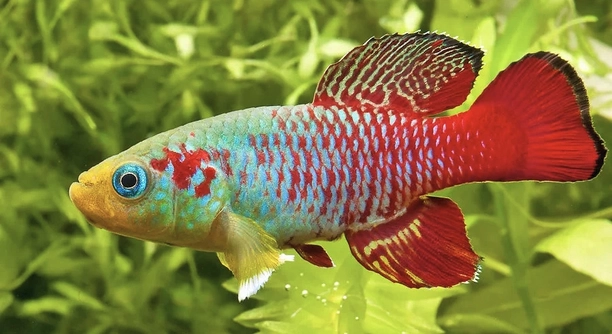
Keeping killis in a heated jar requires careful consideration of their natural habitat and needs. Killis are small, delicate fish that thrive in specific water conditions. Understanding these needs is important before attempting to keep them in a heated environment.
Killis can be kept in a heated jar if the temperature is properly regulated, usually between 72 and 78 degrees Fahrenheit. Maintaining stable water quality, sufficient oxygen, and regular water changes are essential to ensure their health in such a confined space.
Learning about the proper setup and care will help you create a suitable environment for your killis to thrive comfortably.
Understanding Killis’ Natural Habitat
Killis are native to warm, shallow waters often found in temporary pools and slow-moving streams. These environments tend to have stable temperatures but can vary throughout the day. They are accustomed to water temperatures ranging from about 72 to 78 degrees Fahrenheit. Because their natural habitats are small and isolated, killis are adapted to living in confined spaces. However, the water must be well-oxygenated and clean. In a heated jar, replicating these conditions requires careful monitoring. The water should not only be kept at a stable temperature but also regularly refreshed to avoid toxin buildup. Killis are also sensitive to sudden changes, so gradual adjustments are necessary if you change the water or temperature. Keeping a small heater designed for such confined spaces can help maintain consistent warmth without overheating, which could stress the fish or encourage harmful bacteria.
Proper care of your killis includes understanding their environment’s natural conditions and adapting your setup accordingly.
A small heater paired with gentle aeration can create a balanced environment suitable for killis in a jar.
Keeping killis in a heated jar is possible but demands attention to temperature stability, water quality, and oxygen levels. Small jars tend to heat quickly, so using a reliable heater with a thermostat is crucial. Aeration helps maintain oxygen levels, which can otherwise drop rapidly in warm, confined water. Regular water changes prevent harmful waste buildup, ensuring the fish remain healthy. It’s also important to monitor water parameters like pH and hardness, as killis prefer slightly acidic to neutral water. Avoid overcrowding the jar, as limited space stresses the fish and reduces oxygen availability. With proper setup and care, killis can live comfortably in a heated jar, though larger tanks generally provide a more stable environment and are easier to maintain long term.
Temperature Control and Water Quality
Maintaining stable temperature and clean water is critical for killis’ well-being in a heated jar.
A steady temperature prevents stress and illness, while clean water supports their respiratory needs.
Temperature fluctuations can cause stress, weakening killis’ immune systems. In a small jar, water temperature can rise or fall quickly, making it important to use a heater with precise control. Monitoring water quality through regular testing ensures levels of ammonia, nitrites, and nitrates stay low. Frequent partial water changes are necessary to keep toxins in check, as small volumes of water accumulate waste faster than larger tanks. Using a gentle filter or aerator helps circulate water and improve oxygen levels. Killis are sensitive to water chemistry changes, so avoid sudden shifts in pH or hardness by adding water slowly and consistently. Maintaining these conditions reduces the risk of disease and helps killis thrive even in limited space. Understanding these factors helps provide the best care when keeping killis in a heated jar.
Feeding Killis in a Heated Jar
Killis require a balanced diet of live or frozen foods, such as brine shrimp and bloodworms. Their small size means feeding small portions several times a day works best.
Providing live or frozen foods helps replicate their natural feeding habits, supporting health and coloration. Overfeeding must be avoided, as leftover food pollutes the small jar quickly. Frequent small feedings prevent uneaten food buildup and reduce water contamination. Killis are active eaters, so regular feeding encourages natural behavior and maintains their energy levels. Supplementing with high-quality flake or pellet food is possible but less ideal. A varied diet improves immune function and longevity, especially in a confined environment. Proper feeding practices are essential for killis’ well-being in a heated jar.
Feeding killis in a small, heated jar demands careful portion control and regular cleaning to maintain water quality.
Choosing the Right Jar and Equipment
Selecting a jar of adequate size, at least one gallon, is important to maintain stable conditions. Small jars heat unevenly and have limited oxygen.
Using a jar with a lid or cover helps reduce evaporation and temperature fluctuations. A small, adjustable heater ensures consistent warmth without overheating. Adding a sponge filter or air stone improves oxygen levels without creating strong currents, which killis dislike. Regular cleaning and water changes are easier with a larger jar, reducing stress on the fish. Transparent jars allow observation of fish health but may need shading to prevent algae growth. Proper equipment tailored to the jar size is necessary to mimic natural conditions and support killis’ health in a confined setup.
Common Challenges of Keeping Killis in a Heated Jar
Maintaining stable water conditions in a small jar is challenging. Temperature swings and low oxygen levels can stress killis.
Frequent water changes and careful monitoring are necessary to prevent toxin buildup and keep the fish healthy in limited space.
Signs of Stress in Killis
Killis showing lethargy, faded colors, or reduced appetite may be stressed. These signs indicate poor water conditions or improper temperature.
Stress weakens their immune system, making them more vulnerable to disease. Acting quickly to improve conditions is essential.
Cleaning and Maintenance Tips
Regular water changes of 25–30% every few days help maintain water quality. Remove uneaten food and waste promptly.
Avoid harsh chemicals when cleaning the jar. Use water from the tank to rinse equipment to protect beneficial bacteria.
Tank Mates for Killis
Killis prefer to live alone or with very peaceful species. Aggressive or larger fish can cause stress or harm.
Keeping them without tank mates reduces conflict and ensures a calm environment, which is especially important in small jars.
How often should I change the water in a heated jar with killis?
Water changes should be done frequently, about 25 to 30 percent every 3 to 4 days. Because the jar is small, waste and toxins build up faster than in larger tanks. Regular water changes keep ammonia and nitrates low, which is critical for killis health. Using dechlorinated or conditioned water at the same temperature helps avoid stressing the fish.
Can killis survive without a heater in a jar?
Killis are tropical fish that need warm water to thrive, usually between 72 and 78 degrees Fahrenheit. Without a heater, the temperature can fluctuate too much, especially in small jars. These swings can weaken their immune systems and lead to illness. A reliable heater with a thermostat is recommended to maintain stable temperatures.
Is a filter necessary in a heated jar for killis?
While a full filter is not always required, some form of gentle aeration or sponge filter helps maintain oxygen levels and water circulation. Small jars can become low in oxygen quickly, especially when heated. Too strong a filter current stresses killis, so a low-flow option is best.
What should I feed my killis in a heated jar?
Killis thrive on live or frozen foods like brine shrimp, daphnia, and bloodworms. These foods replicate their natural diet and provide essential nutrients. You can occasionally offer high-quality flakes or pellets, but live foods keep them healthier. Feed small amounts two to three times daily to prevent leftover food buildup.
How do I tell if my killis are stressed?
Signs of stress include lethargy, loss of color, hiding constantly, and loss of appetite. Stressed killis may also show rapid gill movement or scratch against surfaces. These symptoms usually indicate poor water quality, temperature problems, or overcrowding. Immediate action is needed to improve their environment.
Can killis live with other fish in a jar?
Killis prefer solitary environments or peaceful tank mates. Small jars limit space and increase territorial behavior. Aggressive or larger fish cause stress and injury. If housing multiple fish, choose similar-sized peaceful species and ensure the jar is large enough to prevent conflict.
How big should the jar be for keeping killis?
A minimum of one gallon per fish is recommended. Smaller jars heat and pollute quickly, causing stress. Larger jars provide better temperature stability and water quality. More space allows for easier maintenance and a healthier environment.
What temperature is best for killis in a heated jar?
Killis do best between 72°F and 78°F. Temperatures outside this range can cause stress or illness. Consistent temperature control is crucial, as fluctuations harm their immune system. Use a heater with an accurate thermostat and monitor regularly.
How often should I clean the jar and equipment?
Clean the jar and equipment during regular water changes, about every 3 to 4 days. Avoid using soap or harsh chemicals. Rinse with tank water to preserve beneficial bacteria. Remove any algae or debris carefully to maintain a healthy habitat.
Can killis breed in a heated jar?
Killis can breed in small, heated environments if conditions are right. They require stable temperature, clean water, and hiding places like plants or spawning mops. Males display bright colors during breeding. Removing adults after spawning helps protect eggs.
What causes killis to die quickly in a heated jar?
Common causes include poor water quality, temperature swings, overfeeding, and overcrowding. Small jars concentrate toxins rapidly, which harms fish health. Stress from improper conditions weakens immunity, leading to disease. Regular maintenance and careful monitoring prevent these issues.
Is it necessary to add plants in a killis jar?
Adding live plants benefits killis by providing hiding spots and helping oxygenate water. Plants absorb waste and reduce nitrate levels, improving water quality. Choose hardy, low-light plants suitable for small containers, such as Java moss or Anubias.
How do I acclimate killis to a heated jar?
Acclimate killis slowly by gradually matching the jar water temperature and chemistry. Float the bag with fish in the jar for 15 to 20 minutes, then add small amounts of jar water to the bag every 10 minutes for about an hour. This reduces stress from sudden changes.
Can killis survive without aeration in a heated jar?
Aeration is recommended because warm water holds less oxygen. Without aeration, oxygen levels drop quickly, especially in confined jars. Killis need sufficient oxygen to breathe comfortably. Using a small air stone or sponge filter improves water circulation and oxygen supply.
Keeping killis in a heated jar can be a rewarding experience, but it requires careful attention to their needs. These fish thrive in warm water, but the small size of a jar means conditions can change quickly. Temperature fluctuations, water quality, and oxygen levels need to be monitored regularly. Using a small heater with a thermostat and performing frequent water changes are essential steps to maintain a healthy environment. While jars are convenient and space-saving, they demand more care compared to larger tanks. Understanding the natural habitat of killis and replicating those conditions as closely as possible helps keep them healthy and active.
Feeding killis in a heated jar involves providing small portions several times a day. Live or frozen foods like brine shrimp and bloodworms are the best choices because they match the fish’s natural diet and offer the nutrients needed for good health. Overfeeding should be avoided, as leftover food quickly pollutes the limited water volume. Regular cleaning and removing uneaten food will prevent toxin buildup. Choosing the right jar size, at least one gallon, helps maintain stable water quality and temperature. Adding plants and gentle aeration can improve the environment, making the jar more comfortable for killis. These steps help reduce stress and encourage natural behavior.
Overall, keeping killis in a heated jar is possible but requires commitment. Paying close attention to temperature control, water quality, and feeding practices will support the fish’s well-being. Small jars need more frequent care and monitoring than larger tanks. If done properly, killis can live comfortably and display their beautiful colors even in a small heated jar. Patience and consistency are key to providing the best care in this setup. Taking these factors into account will help ensure your killis thrive and stay healthy for a long time.

Hello,
If you enjoy the content that we create, please consider saying a "Thank You!" by leaving a tip.
Every little bit helps us continue crafting quality advice that supports the health, happiness, and well-being of pets around the world, for pets of all shapes, sizes, and species.
We really appreciate the kindness and support that you show us!