
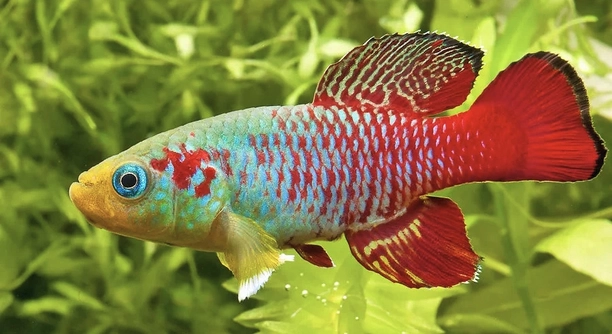
Keeping killifish healthy and happy is important for many hobbyists. Live plants can play a valuable role in creating a natural and comfortable environment for these colorful fish. They help improve both the look and function of an aquarium.
Live plants offer several benefits for killifish, including better water quality through oxygen production and filtration, providing hiding spots to reduce stress, encouraging natural behaviors, and enhancing overall tank stability and aesthetics. These advantages support healthier fish and a more balanced ecosystem.
Understanding how live plants impact killifish care can make a real difference in your aquarium setup. The following points explain why adding live plants is a smart choice for your aquatic pets.
Improved Water Quality and Oxygenation
Live plants help keep the water clean by absorbing harmful substances like nitrates and ammonia, which build up from fish waste and uneaten food. This natural filtration reduces toxins that can stress killifish and cause illness. Plants also produce oxygen during the day through photosynthesis, which helps maintain good oxygen levels in the tank. This is especially important for killifish, which need well-oxygenated water to thrive. By having live plants, the water stays fresher and more stable, leading to a healthier environment overall.
The presence of live plants makes the aquarium a self-sustaining system, reducing the need for frequent water changes. This balance benefits both the fish and the caretaker.
Besides improving water quality, plants create a natural habitat that mimics the killifish’s environment in the wild. They provide places to explore and hide, lowering stress and encouraging natural behavior like spawning. This leads to more active and vibrant fish that show their true colors. Plants also prevent algae growth by competing for nutrients, keeping the tank looking cleaner. Overall, live plants help create a comfortable and healthy home for killifish.
Stress Reduction and Hiding Places
Killifish feel safer with plenty of places to hide among plants. This reduces their stress levels and makes them more confident in their tank.
By offering natural shelters, plants help killifish avoid aggressive tank mates or sudden changes in the environment. This lowers stress hormones, which can improve their immune system and lifespan. A well-planted tank helps shy fish come out more often and behave naturally, which is rewarding to observe.
Natural Behavior Encouragement
Plants give killifish the chance to act naturally. They use leaves and stems for spawning and exploring.
When killifish have live plants, they show more of their natural habits. They hide in plants when feeling threatened and explore the leaves and roots, which keeps them active and curious. Plants also encourage breeding behavior, as many killifish lay eggs attached to plant surfaces. This helps maintain healthy populations in captivity. Without plants, killifish may become stressed or bored, which can affect their health and lifespan.
Live plants create a more natural setting that supports the fish’s instincts and daily activities. This environment helps killifish feel safe and comfortable, promoting better overall well-being.
Aesthetic Appeal and Aquarium Balance
Live plants enhance the look of a killifish tank by adding color and texture. They create a peaceful and natural environment that is enjoyable to watch.
In addition to beauty, plants contribute to the stability of the aquarium ecosystem. Their roots help anchor the substrate, reducing erosion and cloudiness in the water. Plants also absorb excess nutrients, which limits algae growth and keeps the tank clean. This natural balance reduces maintenance and improves water quality, making care easier. The combination of healthy fish and lush plants creates a vibrant, balanced tank that feels alive and well-cared-for. This makes keeping killifish more satisfying for both the fish and the owner.
Algae Control
Live plants help control algae growth by competing for nutrients in the water. This reduces the chances of algae taking over the tank.
With fewer nutrients available, algae struggle to grow, keeping the aquarium cleaner and more attractive for killifish.
Natural Food Source
Some killifish nibble on the tiny organisms and biofilm that form on plant leaves. This adds variety to their diet and encourages natural foraging behavior.
Tank Stability
Plants contribute to a stable aquarium environment by helping regulate water chemistry. Their presence supports a balanced ecosystem that benefits killifish health.
What types of live plants are best for killifish tanks?
Choosing the right plants is important for killifish tanks. Hardy plants like Java fern, Anubias, and Cryptocoryne are great because they tolerate a wide range of water conditions and don’t need intense lighting. Floating plants such as duckweed or frogbit provide shade and hiding spots. These plants create a comfortable environment without requiring much maintenance. Avoid delicate or fast-growing plants that need special care or strong light, as they may not thrive alongside killifish.
How do live plants improve water quality?
Live plants absorb harmful substances like nitrates and ammonia, which accumulate from fish waste. By using these nutrients for growth, plants reduce toxins that can harm killifish. They also release oxygen during the day, improving oxygen levels in the water. This natural filtration supports a cleaner, healthier tank with more stable water chemistry. The improved water quality means fewer water changes and less stress for the fish.
Can live plants affect killifish behavior?
Yes, plants strongly influence killifish behavior. They provide hiding places that help reduce stress and make the fish feel secure. Plants encourage natural activities like exploring and breeding, as many killifish lay eggs on plant leaves. Without plants, killifish may become shy or stressed, leading to weaker health. Adding plants helps fish display their full range of natural behaviors, improving their well-being.
Are live plants difficult to care for in a killifish aquarium?
Most live plants suitable for killifish are low-maintenance. They usually require moderate light and minimal fertilization. Regular trimming may be needed to prevent overgrowth, but this is easy to manage. Choosing hardy species reduces the risk of plant loss. It’s important to monitor water conditions and ensure the tank is clean, but overall, caring for live plants is simple and rewarding.
Do live plants help with killifish breeding?
Yes, plants are very helpful for breeding killifish. Many species prefer to lay eggs on or near plants, which provide safe spots for eggs to develop. Plants protect eggs from predators and keep them stable in the water. Having plants in the tank encourages breeding behavior and improves the chances of successfully raising fry.
Can live plants compete with killifish for nutrients?
Live plants and killifish don’t compete for the same nutrients. Killifish get their food from pellets, flakes, or live insects, while plants absorb nutrients like nitrates and phosphates from the water. In fact, plants help keep nutrient levels balanced, reducing algae growth and improving water quality, which benefits the fish.
How often should I trim live plants in a killifish tank?
Trimming depends on the plant type and growth rate but is generally needed every few weeks to keep the tank neat. Removing dead or overgrown leaves prevents decay and maintains healthy plants. Regular trimming also helps light reach lower parts of the plants, promoting balanced growth. It’s a simple task that supports a clean, attractive aquarium.
Can live plants survive with killifish in the tank?
Killifish generally do well with live plants. They rarely damage plants and often appreciate the shelter they provide. Some killifish species may nibble on delicate leaves, so it’s best to choose sturdy plants. Providing enough plants prevents overgrazing and creates a balanced habitat where both fish and plants thrive.
Adding live plants to a killifish tank offers many advantages that benefit both the fish and the aquarium environment. Plants improve water quality by absorbing harmful substances and producing oxygen. This natural process helps keep the water clean and stable, which is important for the health of killifish. A well-maintained planted tank reduces the need for frequent water changes and supports a balanced ecosystem. This means less work for the person caring for the tank and a healthier home for the fish.
Plants also provide a more natural habitat for killifish. They create hiding spots and places to explore, which helps reduce stress and encourages natural behavior. Killifish feel safer and more comfortable when they can swim through and hide among the plants. This environment supports breeding and makes the fish more active and vibrant. When killifish are less stressed and happier, they tend to live longer and show better colors. For many keepers, watching fish behave naturally in a planted tank is a rewarding experience.
Finally, live plants add beauty and balance to the aquarium. The green colors and natural shapes of plants make the tank look more peaceful and attractive. Plants also help control algae by competing for nutrients, which keeps the tank cleaner. Their roots stabilize the substrate and improve water clarity. Overall, live plants create a healthy, balanced environment that benefits killifish in many ways. Including them in the tank is a simple step that leads to a better experience for both the fish and their caretaker.

Hello,
If you enjoy the content that we create, please consider saying a "Thank You!" by leaving a tip.
Every little bit helps us continue crafting quality advice that supports the health, happiness, and well-being of pets around the world, for pets of all shapes, sizes, and species.
We really appreciate the kindness and support that you show us!