
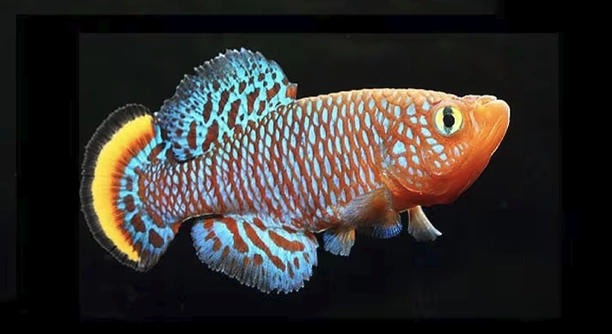
Many Killis can be picky eaters, especially when it comes to flakes. Sometimes, they simply refuse to eat flakes even if they have eaten them before. This can be confusing and frustrating for fish keepers.
Killis may refuse flakes due to factors such as poor water quality, inappropriate flake size, or nutritional deficiencies. Additionally, stress or sudden changes in their environment can cause them to reject flake food, preferring live or frozen options instead.
Learning about these causes can help improve your Killis’ feeding habits and overall well-being. Understanding their needs will make caring for them easier and more rewarding.
Common Reasons Killis Reject Flake Food
Killis are naturally inclined to eat live or frozen foods, which often offer better nutrition and movement than flakes. Their senses may not respond well to flakes, especially if the flakes are too large or have an unfamiliar texture. Water conditions can also affect feeding behavior. If the water is not clean or if the temperature is off, Killis may lose interest in eating flakes. Additionally, sudden changes in diet or environment can cause stress, making them reject new food types. Sometimes, flakes lose their nutritional value over time or become stale, which makes them less appealing. Understanding these factors is key to encouraging your Killis to eat flakes regularly.
Flakes that are too big or hard often cause Killis to ignore them. Smaller, softer flakes might work better for picky eaters.
To help your Killis accept flakes, try introducing smaller-sized flakes that mimic the size of their natural prey. You can soak flakes briefly in tank water to soften them, making them easier to eat. Also, maintain clean, stable water conditions to reduce stress. Offering flakes alongside live or frozen foods during feeding can gradually encourage them to accept flakes. Avoid sudden diet changes to prevent refusal. Monitoring their behavior will help you adjust feeding methods effectively. With patience and care, your Killis can learn to enjoy flakes as part of their diet.
The Role of Water Quality in Feeding Behavior
Water quality directly impacts how Killis respond to food. Poor water conditions often lead to stress, reducing appetite and making them reject flakes.
Maintaining stable water parameters like temperature, pH, and cleanliness is essential. Killis prefer slightly acidic to neutral water with low nitrate levels. High ammonia or nitrite levels cause discomfort and affect digestion. Dirty tanks can also hide uneaten flakes, leading to poor water quality and reinforcing feeding refusal. Regular water changes and testing can help maintain ideal conditions. Clean water supports healthy digestion and appetite, encouraging Killis to eat flakes without hesitation. A calm and clean environment promotes better feeding habits and overall fish health.
Adjusting Flake Size and Texture
Small flakes are easier for Killis to eat. Large or hard flakes can discourage them from feeding. Choosing the right size and texture can make a big difference in their willingness to eat.
Flakes designed for small fish or fry often work better because they match the size of Killis’ natural prey. Crushing larger flakes into smaller pieces can help, too. Softening flakes by soaking them briefly in tank water makes them easier to chew. Killis tend to prefer flakes that break down quickly in water rather than ones that remain hard or float. These small changes can improve acceptance and reduce waste from uneaten flakes.
Keep in mind that some Killis may still prefer live or frozen foods due to their natural hunting instincts. Offering a mix of food types can prevent boredom and ensure balanced nutrition. Flakes should complement their diet, not be the sole food source.
Stress and Environmental Changes
Stress affects Killis’ appetite strongly. Changes in water parameters, tank mates, or lighting can cause refusal to eat flakes.
Killis are sensitive to sudden shifts in their environment. Moving to a new tank, adding new fish, or changing water temperature quickly can stress them out. When stressed, they may stop eating flakes altogether. Maintaining a stable and calm environment helps reduce this stress. Regular feeding times and minimal disturbances during feeding also encourage normal eating habits. Using hiding spots and plants can make Killis feel safer, which improves their willingness to eat. Consistency is key for reducing stress and supporting healthy feeding behavior.
Feeding Schedule and Routine
Killis respond well to a consistent feeding schedule. Feeding them at the same time each day helps build a routine.
Skipping meals or irregular feeding can cause them to lose interest in flakes. A steady routine encourages better eating habits over time.
Nutritional Content of Flakes
Flakes may lack certain nutrients that Killis need, especially compared to live or frozen food. Low protein or poor ingredient quality can cause Killis to reject flakes. Choosing high-quality flakes with balanced nutrition can improve acceptance. Supplementing flakes with live or frozen foods ensures they get essential vitamins and minerals for health and growth.
Mixing Food Types
Combining flakes with live or frozen food can encourage Killis to try flakes. This mix offers variety and mimics their natural diet.
FAQ
Why won’t my Killis eat flakes even though they used to?
Killis may stop eating flakes if there are changes in their environment, diet, or water quality. Stress from new tank mates, temperature shifts, or poor water conditions can reduce appetite. Also, flakes that have lost freshness or changed in size and texture may no longer appeal to them.
Can Killis survive on flakes alone?
While some Killis might eat flakes, relying solely on them is not ideal. Flakes often lack the nutrients and variety Killis need. It’s better to provide live or frozen foods alongside flakes to meet their dietary requirements fully.
How can I encourage my Killis to eat flakes?
Start by offering small, softened flakes alongside live or frozen foods. Maintain clean water and stable conditions. Feeding at regular times and minimizing disturbances can also help. Gradually increasing flakes while reducing live food may encourage acceptance.
Are there specific flakes recommended for Killis?
Flakes made for small carnivorous fish or fry are often better suited. They tend to be smaller and easier to digest. Look for high-protein flakes with quality ingredients to support their growth and health.
Does water temperature affect feeding?
Yes, Killis are sensitive to water temperature. If it’s too low or too high, their metabolism slows, and they may refuse food. Keep the water within the ideal temperature range, usually between 72°F and 78°F, to encourage regular feeding.
What signs show my Killis are stressed?
Signs include hiding, reduced movement, rapid breathing, and refusing food. Stress affects their immune system and appetite, making flakes less appealing. Identifying and correcting stress causes will improve feeding behavior.
Can stale flakes make Killis refuse food?
Stale flakes lose nutritional value and flavor, which can make Killis reject them. Always store flakes in a cool, dry place and use them before the expiration date. Fresh flakes are more likely to be accepted.
Is it okay to mix flakes with live food?
Yes, mixing flakes with live or frozen food can help Killis transition to flakes. It provides variety and stimulates their natural hunting instincts while introducing flakes slowly.
How often should I feed my Killis flakes?
Feed flakes once or twice a day in small amounts that they can eat quickly. Overfeeding can cause water quality issues, which may reduce their appetite.
What should I do if my Killis never accept flakes?
If they refuse flakes consistently, focus on a diet of live and frozen foods that meet their nutritional needs. Some Killis may simply prefer natural foods, and that is okay as long as their diet remains balanced.
Killis can be particular about their food, and it is normal for them to refuse flakes sometimes. Their natural diet mostly consists of live or frozen foods, which provide movement and nutrition that flakes may lack. This means flakes are not always their first choice. Understanding this helps set realistic expectations when feeding Killis. Providing a variety of foods can meet their needs better than flakes alone. Patience is important when trying to introduce flakes to their diet.
The condition of the flakes and the environment also plays a big role. Flakes that are too large, hard, or stale often discourage Killis from eating them. Soaking flakes in tank water to soften them and choosing smaller sizes can make a difference. Clean, stable water with the right temperature helps Killis feel comfortable and willing to eat. Stress from sudden changes or poor water quality can make Killis lose their appetite. Paying attention to these factors helps keep Killis healthy and eating regularly.
It’s okay if your Killis never fully accept flakes. Many Killis thrive on live or frozen foods alone. These options provide the natural nutrition and stimulation they prefer. If flakes are part of their diet, they should complement, not replace, other food types. Offering a balanced diet and keeping their environment stable are key to their well-being. With time and care, feeding Killis can become a smoother experience that supports their health and happiness.

Hello,
If you enjoy the content that we create, please consider saying a "Thank You!" by leaving a tip.
Every little bit helps us continue crafting quality advice that supports the health, happiness, and well-being of pets around the world, for pets of all shapes, sizes, and species.
We really appreciate the kindness and support that you show us!